The Power of a Learner Centered Community 

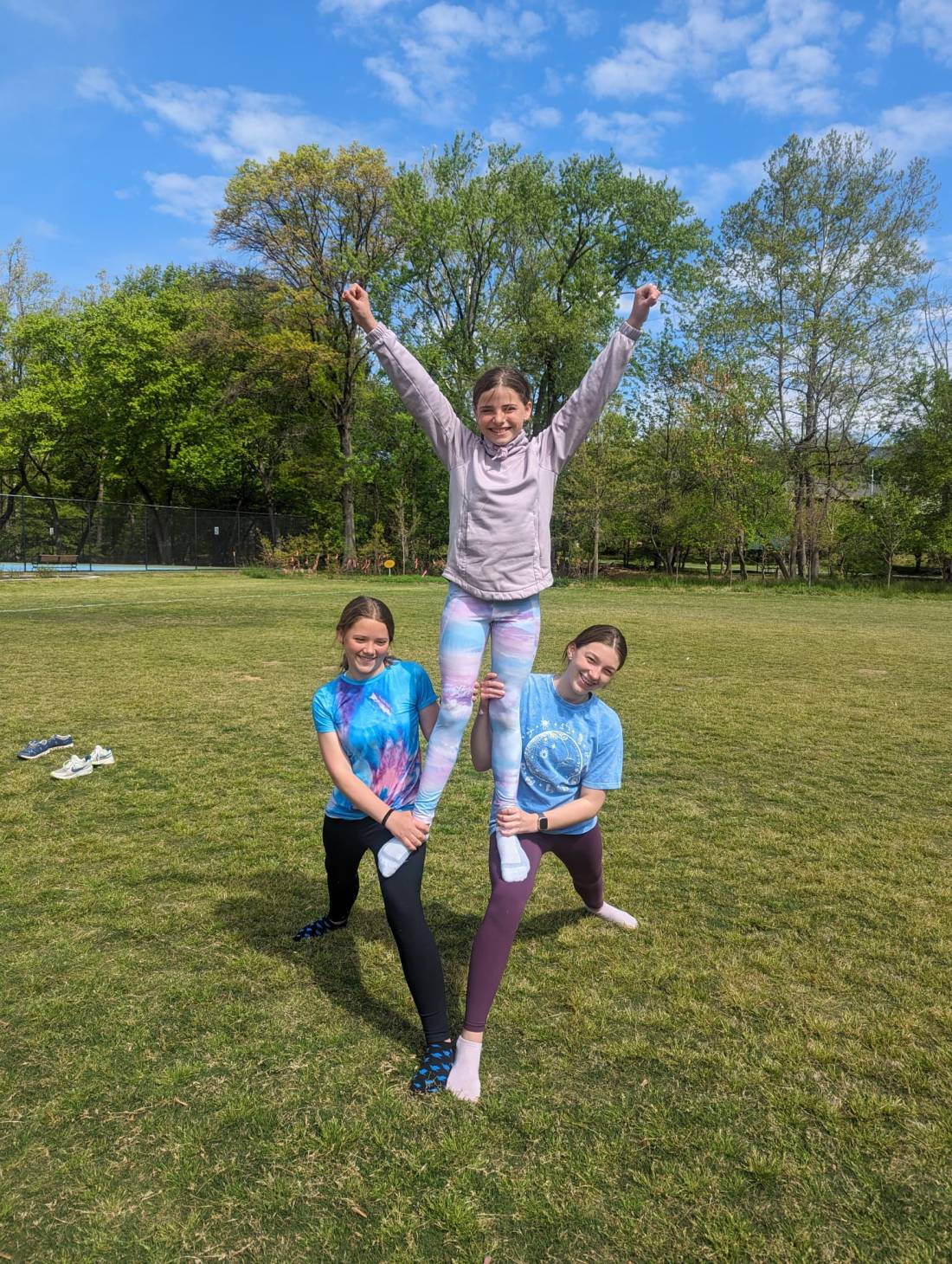
In a learner-centered school, every day presents moments of discovery, growth, and connection. Watching Discovery Studio in action these past two sessions, I’ve seen firsthand the responsibility, care, empathy, and strong sense of community that we foster here at The Village School.

An example of this happened recently during our afternoon project time. I was helping a learner who had hit their head and needed an ice pack. As we were transitioning from project time to our debrief—where we come together to reflect on how our project time went—I found myself worried about how the launch room might manage without a guide there to lead the discussion. But when I got to my launch room, I saw the magic of our model working.

The older learners, who had seen an opportunity to step up, had already circled up the rest of the launch room and were leading our group in the debrief discussion. Without being asked, they had circled up in our launch room, and began asking thoughtful questions about our project, how it could be better, and how they could support each other through the challenges they are facing as a group. 

While this is just one story of leadership, it reflects the heart of our model. As a guide, I have had the opportunity to watch this happen every day in our community. What I have noticed is that, in a mixed-age, learner-centered environment, there is a continuous cycle of nurturing and being nurtured. Older learners step into leadership roles, guiding their studio mates and creating space for younger learners to contribute. This act of leadership not only supports the younger learners but also inspires them to take on leadership themselves as they grow. Learners here understand that they are not just individuals in a studio but active, contributing members of a community where they support and uplift one another. They recognize that each of them plays a significant role in the learning journey—not only for themselves but for everyone around them. This allows for them all to appreciate their unique strengths, recognize the challenges they face, and know that they can offer help and support, regardless of their  age. 

What stands out to me the most is how this shared responsibility extends beyond academics. It creates a culture of kindness, resilience, empathy, compassion, and independence, where the act of leading and being led continuously nurtures growth in both directions. 

In moments like these, I am reminded that a learner-centered community does more than teach—it transforms. It empowers learners to take ownership of their growth, to support one another, and to recognize the value of their unique contributions. Through leadership, empathy, and shared responsibility, each learner develops a deep sense of belonging and purpose. This environment fosters not only academic growth but the kind of character and resilience that will carry them far beyond the classroom. As guides, we are privileged to witness how these learners inspire one another every day, creating a cycle of care and leadership that continually strengthens our community. And it’s in these moments—when learners step up to lead, when they nurture each other’s growth—that we see the true power of a learner-centered model in action. It is a place where each individual’s success is tied to the success of the community as a whole.

Connecting with Compassion

As a guide who recently graduated college and moved states away from my family, I’ve been grappling with some personal challenges, which made last week particularly tough. 

However, amidst those difficult times, I also experienced an overwhelming amount of love and support when I came into work each day, not just from my fellow guides, but from every learner in the Adventure studio. 

On Monday, some of my coworkers noticed I was upset and surprised me with lunch and snacks, bringing me to tears. The learners noticed that I wasn’t myself, and offered support: “Are you okay?”, “What happened?”, and “What can I do to help you?” Feeling the overwhelming love and support, I went home that day thinking, “Wow, I can feel the support of the community” and “I am so extremely grateful to be a part of the culture we are building.”

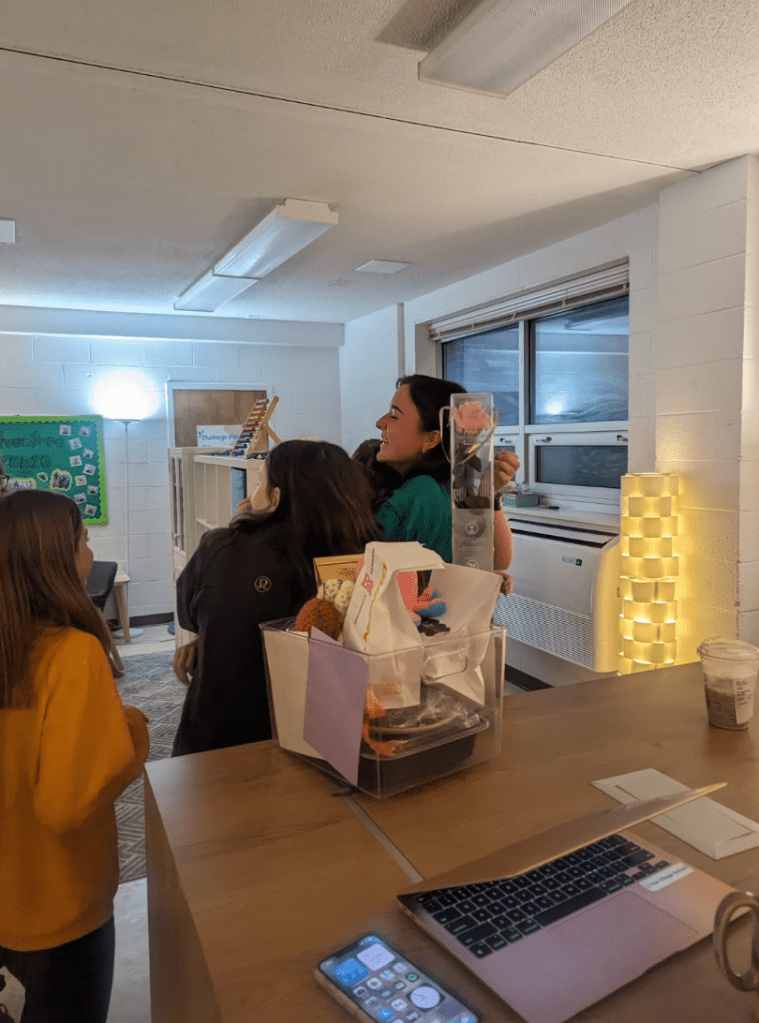
The next morning a group of Adventure learners approached me with another form of support – a bin full of goodies, from homemade cookies and brownies to a stuffed animal they made. Included was a card that read “I just want you to know we are here for you. Whether you need to talk to someone, you need someone to make you laugh, we are here!” 

At that moment, I thought to myself, “I can see the model working. I can really see how this school differs from every school I have been to and any place that I had worked before this.” I was blown away by the compassion and empathy the learners had.

When I shared this story with my friends and family, they responded “your middle schoolers did what??” followed by, “Oh Gosh, that would’ve never happened at the schools I went to.”

These are not the only stories of empathy at The Village School, but just one of many. 

I’ve also witnessed this sense of belonging and support many times since the beginning of the year. Recently the middle schoolers went on a three day camping trip. After a long day of hiking in the rain, the girls settled into their tent and realized that one of the learners’ sleeping bag was completely soaked through, and she was freezing. Without a thought, another learner rearranged their own set-up to make more room and dry space. What strikes me as so special about this moment and the other moments like it, is that the learners do the next right thing without asking for help, assistance, or guidance. They do the next right thing because it’s the right thing to do and they really do care about each other. 

These stories of empathy also include moments during work periods when learners notice a friend struggling to meet their goals. Just this week, a learner completed their pre-algebra badge and the entire studio erupted in cheers, acknowledging all the hard work that had led him to that point. This is evidence of a culture of care and collaboration, which is in contrast to the culture of competition that is the status quo in many schools.  

At The Village School we care about who the learners are, rather than what they know and these stories are just some examples of how a culture of belonging and support are enacted in our studios every day.  We lift eachother up when we are down. We help each other through the lows, and cheer for each other through the high. 

Our learners have the opportunity to cultivate close relationships with their guides and peers. Unlike traditional schools, where students frequently switch classes, here they work closely with guides across subjects. As guides, we strive to understand each learner individually, including their progress, passions, goals, needs, strengths, and learning style. This understanding extends beyond academics, allowing us to nurture a community that is empathetic, loving, and kind. We genuinely care about each learner, demonstrating to them that they belong and are valued in our community.