Coming Up With a Plan

A Note From Our Head of School:

This year, we’ve seen the motivation in the studio ebb and flow. This can happen for many reasons- a learning challenge doesn’t resonate, a hero falls victim to distraction, or feels overwhelmed by the mastery objectives left in their badge plan for the year.

Our guides serve to observe and shepherd this energy- by looking closely and figuring out how to increase the motivation in the studio as a whole or for an individual learner. This can involve tweaking the learning design in some way, uniting the group and moving them toward a common goal or, most often, holding up the mirror for a hero- asking them questions to help them identify where they’re stuck and empowering them to develop a plan to accomplish their goals.

As parents, we can do the same.

Recently, it became clear that my nine year old was struggling. He was doing little work in the studio and his attitude was verging on apathetic. It was clear he was stuck. So, one evening I sat down to talk with him. After asking a few questions that were met with short and uninformative answers, I asked simply, “What’s bothering you?”

He looked at me for a moment and then said, “I don’t think I’m going to finish all my badges by the end of the year.”

Here it was. He was feeling the weight and responsibility of truly being responsible for his own learning. While our model of self-paced learning is designed to empower, it can be hard when you aren’t feeling particularly powerful.

So what do we do in this situation? As parents, we too can hold up the mirror for our children. In asking the right questions, we can help them get “unstuck”.

Here is a helpful process- one that we used just this week in our own home.

Ask the question, “What is priority for you?”

  • being patient with myself
  • allowing myself time to grow
  • planning out my time 

This question helps reinforce the flexibility of our self-paced learning design and remind your child that their individual priorities matter- and can be different from someone else. In our case, our son was crystal-clear on his priority of planning out his time. Finishing his badges by the end of school year was important to him.

The next series of questions were as followed.

“Would you like me to help you plan out your time?” (Yes.)

“Would you like to set aside time today or tomorrow to meet?” (Tomorrow.)

The next day we sat down and he showed me around the online dashboard that tracks his progress. I was sure to offer a lot of growth mindset praise on all that he has accomplished since September and together, we hashed out a plan to complete his goal (not mine) of completing his Level 3 badges by July. I did not touch his computer but I did offer to act as scribe. What resulted was a practical path forward- big goals broken down into bite-size chunks, and an obvious sense of relief and renewed sense of purpose for our son.

By listening closely when our children seem to be weathering an “emotional storm”, reaffirming our belief in them, and offering (rather than imposing) our support, we can show them, again and again, just how powerful they are.
Exploring Physics in Spark Studio Week 2


After a fascinating trip to Austin, filled with connection and inquiry with fellow guides across the world, this week began with new ideas and excitement for learning that is driven by heroes.

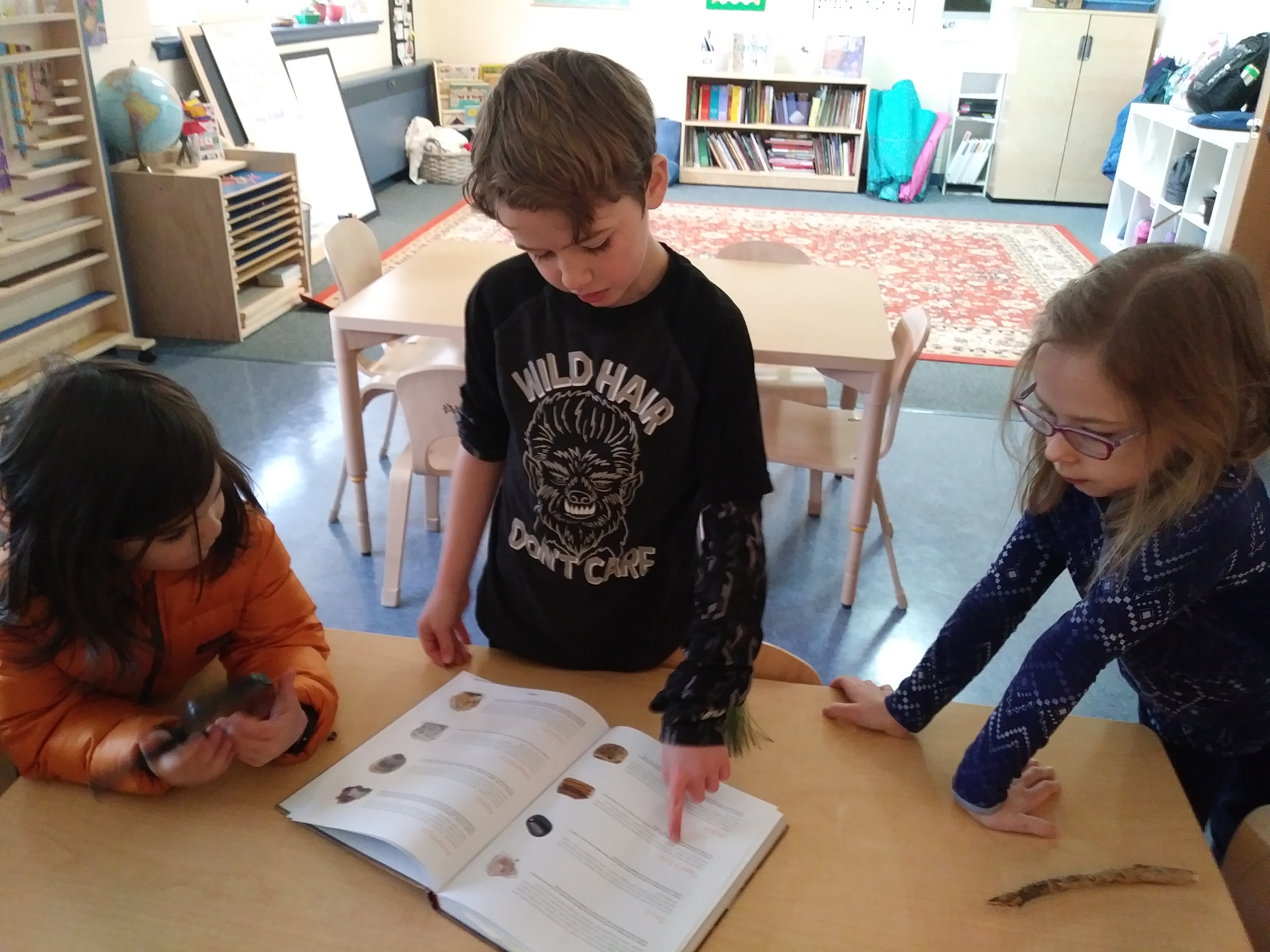
How can young heroes begin to have a basic concept of how physics works unless they have a chance to explore and experiment with it freely? Our playground design quest continues to be built on the foundation of knowledge developed from these playful experiences. Heroes made inclined planes out of cardboard, wood, and even our whiteboards as they tested for distance and speed of toys cars. Our math provocation table challenged heroes to create a maze and then figure out how they could move the marble through it and many were quick to see how the use of an inclined plane aided this process. Heroes spent an afternoon honing fine motor skills and working hard to drive screws into wooden planks. The final simple machine we explored this week was the wedge and by using wedge shaped tools, heroes carved designs into bars of soap and enjoyed the sensory experience of a studio that smelled particularly fresh.

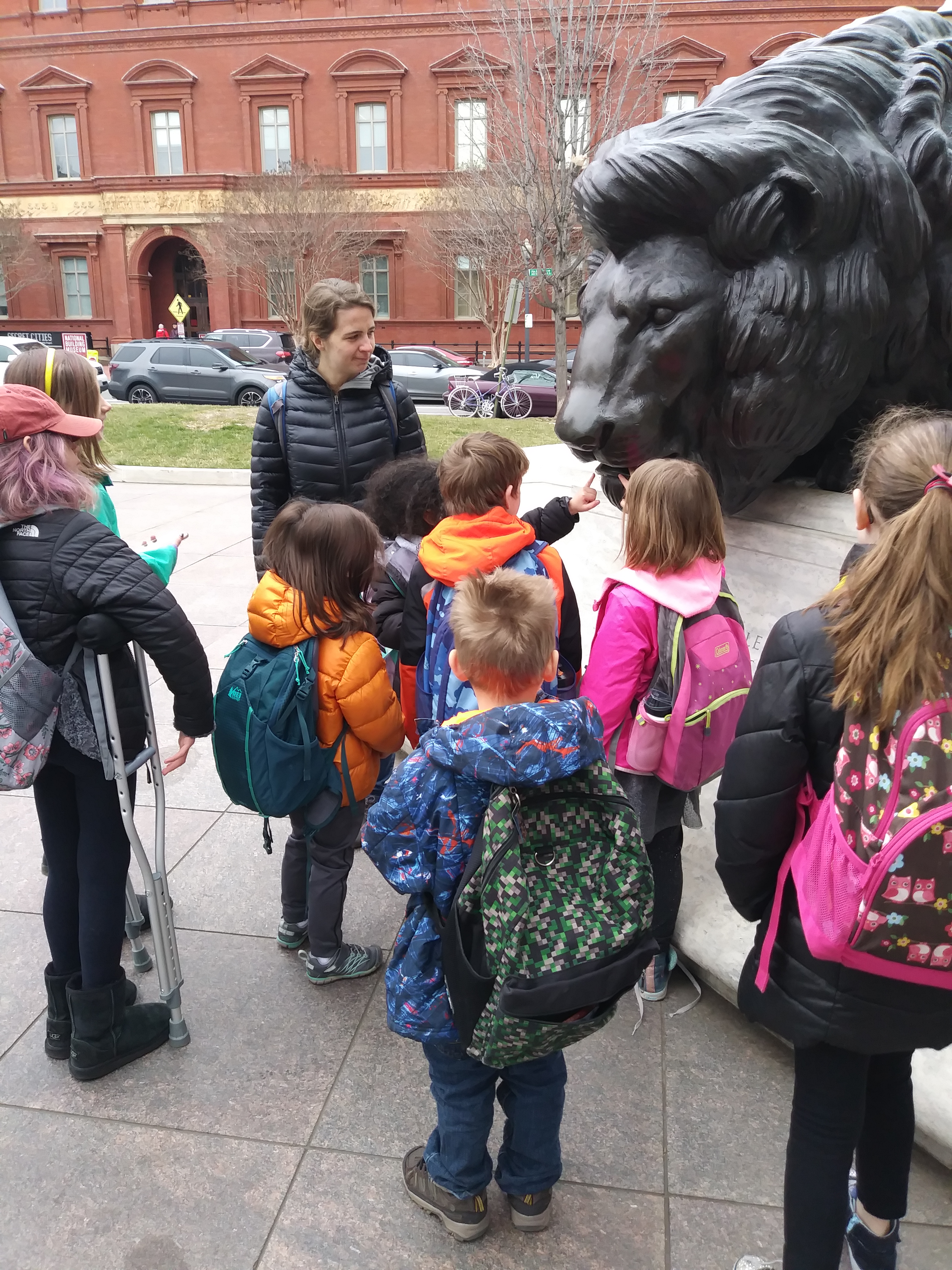
After intentional goal setting and focused work each morning, heroes prepared for a field trip to The Building Museum. We discussed what goes into planning and designing a city. The topic of empathy was brought up in discussions of who gets to decide what structures go where and how these decisions might impact residents differently. Heroes carefully considered the feelings of fellow citizens in the city they were creating. The trip culminated in an amazing show of teamwork and perseverance as heroes worked diligently to build a 7 foot arch out of foam blocks in the lobby of the museum. The building process was exciting and filled with ideas of structure and physics, but I will let the heroes tell you all the details of that endeavor.


Heroes Lead- Session 5: Week 2

What is a student-driven learning environment? At TVS, we believe that Heroes should be the driving force behind their education. The guide’s role is to provide an environment: arc of inspiration, empowerment, and accountability, but Heroes make the crucial choices.

So what would happen if the Heroes were left alone for the day? We have a recent example of the Heroes doing just that. (Of course, there were adults supervising just in case! We thank our studio volunteers gratefully for their time.)

Monday morning began with a launch and a fast-paced discussion, which two Heroes devised surrounding an ethical question. Then the Heroes sorted themselves into Super Squads to set SMART goals and coached one another. Then Core Skills commenced: Heroes learning math, reading, spelling, and grammar by teaching themselves. Independently, they transitioned at 11 a.m. and went to a Hero-led P.E. class. They practiced gymnastics and soccer skills. The Heroes enjoyed lunch and free time (an important part of the day) and then two Heroes led a 45-minute Socratic Discussion about Ancient Rome, our Civilization challenge for this week. Following that, another Hero took over and supervised DEAR (drop everything and read) by providing book suggestions and inspiring “What if…?” questions. As a group, they cleaned up their studio and celebrated a Hero birthday at close. An independent, Hero-run day.

On Monday, our team traveled to Austin for the Acton Owner’s Conference. We came with questions and left with more questions (of course) but also reflections, new ideas, and a toy figurine of a tiger. Jeff Sandefer shared this anecdote, “A scientist once studied tigers. He knew everything there was to know about tigers. Until the day that he saw a tiger in the wild. Its beauty and grace astounded him, and he exclaimed, ‘All this time I have been studying tigers in captivity. This wild tiger has shown me that I know nothing about tigers.'”

Big Questions: Week 1 Session 5


Big questions abound this session. Are humans wired for empathy? Why are parks and playgrounds important to communities? Of course, the best parts of these questions are not the answers but the process it takes to discover an answer. We were also excited to welcome a new Hero, whose hard work in the Spark Studio has graduated her to the Elementary Studio.

The Heroes were excited to launch the Physics Playground Quest. This Quest covers an introduction to physics deeply rooted in a real problem, “Why are parks and playgrounds important to communities?” The Heroes will design and build a scale model of a new playground element that includes at least 2 simple machines. Along the way, they’ll develop critical thinking skills as they tackle work, force, mechanical advantage, and much more!

This session, the Writer’s Workshop is expanding beyond the traditional writing medium as the Heroes dive into podcasting. Their challenge is to share a story about their local community. Empathy (the character trait of this session) is ingrained into this workshop. Heroes will need to think about all angles of their topics: how do they feel? How do others feel? Can you change feelings? The Workshop incorporates technical aspects of podcasting and emphasizes an important writing trait: voice. This week, we talked about how voice is not just your actual speaking voice, but the unique way that you craft sentences and ideas.

In lieu of drama, Civilization begins anew this session. We are poised at the downfall of the Greeks and the rise of the Romans. The Heroes are particularly excited about the transformation of Greek Gods to Roman Gods. Each week, the Heroes will discuss Socratically and have the opportunity to complete a bonus challenge to earn their Civilization Badge.

We will keep you updated as the Heroes progress through challenges and find success this Session. The Heroes are also looking forward to 3 field trips this session, and we appreciate all the parent volunteers for field trips or studio visits! A note for next week’s field trip- please bring in recyclable materials for the Building Museum field trip by following the guidelines below:

  • Paper towel rolls, cereal boxes, and egg cartons are great
  • Please don’t bring any juice or water bottles, glass or metal containers
  • No containers that have held milk or nuts

Thank you and looking forward to Session 5!

First week of session 5 in Spark Studio

Welcome to Session 5! We excitedly welcomed back a hero who had been away and reconnected with our contract. A town meeting brought up problems that were important to heroes such as whether math, writing and reading goals should be set in a particular order and how to be sure heroes are giving concise responses during launches. Our young learners express their feelings and give supporting evidence about what solutions will work best in our community. Work time is, as always, a busy hub of curiosity. We have heroes conquering new math topics, carefully writing stories that are meaningful to them and poring over books, excited to recall plot points and how they might add to the story. They research natural findings and perform science experiments using studio plants and materials.  

Heroes discuss empathy with confidence and they come up with new ways to understand fellow travelers. We will start to discuss the larger communities we are part of and what empathy looks like on a grander scale. Spark studio heroes have made visits to the office where a mindfulness station has been set up. This is a space to name emotions and use tools to self- regulate until a hero is calm again and can rejoin fellow travelers.

Session 5 Quest work is under way as heroes practice acting out and identifying different types of force and motion.  This led to an exploration of magnetic force and we spent an afternoon determining whether magnets work in water, what materials in our studio were magnetic, and which part of a magnet housed its poles. We began discussing simple machines focusing on inclined planes first. Heroes got firsthand experience on our playground’s slide!

For next week’s Building Museum field trip we are collecting some items, if you can, please bring in recyclables by following the guidelines below:

  • Paper towel rolls, cereal boxes, and egg cartons are great
  • Please don’t bring any juice or water bottles, glass or metal containers
  • No containers that have held milk or nuts

You Can’t Always Get What You Want

By Lauren Quinn, Co-Founder & Head of School

Yesterday, we hosted our first Children’s Business Fair, a one-day market for children, ages 6-14, to showcase their very own business. In our own learning community, this was the final exhibition of learning after a four-week Entrepreneurship Quest, where our young learners dreamed up, planned, and created their own businesses to share with the world- and hopefully, make some profit to boot. All session, the heroes eagerly anticipated the day of the fair, where they would have the chance to showcase all of their hard work.

As a school that emphasizes personal agency and autonomy, we stressed the importance of allowing each hero to make decisions about their business, and to do as much of the work on their own as possible. As parents and guides, we watched from the sidelines, supporting by listening and asking good questions to help shape their ideas. Often times, this meant having front row seats to the various struggles our young learners encountered- from creating their first business plans, calculating variable costs, hashing out a marketing plan and pitch to potential customers, to managing the ins and outs of a month-long project with a looming deadline. Wanting everyone to succeed, we resisted the urge to step in and provide easy answers. We reminded ourselves of the learning born from struggle. We tried to remain Socratic, even when the math was REALLY hard. We provided a lot of encouragement, growth mindset praise and inspiring stories of perseverance and grit to get over some of their hurdles.

Little did we know, one of our biggest obstacles would occur on the day of the Business Fair when we woke up to bitter temperatures and 30 mph wind gusts- less than ideal conditions for open tables of merchandise and ample foot traffic. A few flying canopies resulted in an immediate break down of the tents and banners. Sign-in sheets, brochures, and any other items vulnerable to the long and frequent wind gusts were tucked away.

Of course, for any passionate and dedicated entrepreneur, the show must go on. This is “where the road meets the rubber,” as they say- and so, our heroes set up their tables, our wonderful parent volunteers jumped in to help, and our mentor judges visited each young entrepreneur, giving individual praise and feedback. Customers came and sales were made. The hot chocolate booth, run by our youngest heroes, was a huge success. Our budding entrepreneurs enthusiastically supported each other, finding the most joy in visiting their friends and seeing the products of weeks of dreaming, planning and collaboration.

We all may have wanted clear skies and pleasantly crisp fall weather- perfect for strolling and window shopping. We wanted the tents and displays and visual appeal to look as we had intended. We likely wanted our young learners to see the fruits of their efforts through some hard-earned profits. Naturally, we wanted their risks to pay off and their landings to be soft.

Yet, this isn’t really the way the world works and our heroes learned perhaps one of the most important lessons in business and in life- that things don’t always go the way you want. There will always be things, like the weather, that you can’t control. Ultimately, what we really want for our young learners is an entrepreneurial mindset: resilience, adaptability, and grit- character traits born from struggle, from unplanned events and bumpy landings.

These are the skills they will need to launch into the world as successful adults. These are the skills our heroes displayed in spades yesterday, adding a new story of perseverance and grit to our own growing collection as a community.

In reflecting on yesterday’s events, I can’t help but glean some wisdom from The Rolling Stones. As they say, “You can’t always get what you want- But if you try sometimes, you might find, you get what you need.”

(Repost from November 11, 2018)

How Much Screen Time?

By Lauren Quinn, Co-Founder & Head of School

How much screen time do learners have at The Village School? This is a question I am often asked by prospective parents.

I get it. As parents who value time outside, physical activity, and face-to-face interactions, our family has always been largely “low tech”, perhaps even “screen averse” relative to the role screens/technology plays in the lives of many modern families. For us, it has always had more to do with whatever valuable activity was being replaced by “screen time”, than the idea that time interacting with technology was inherently bad. So it might seem strange that I am now the director of a school in which technology is a significant part of its learning design. Let me explain. Actually, let Laura Sandefer, Acton Academy Founder explain.

“The vision of students glued to the screen hour after hour is what many people have when they hear “online learning.” The reality at Acton Academy shatters this image and sets us apart from schools that use technology as a band-aid on a traditional school paradigm that simply doesn’t work. We live in an unprecedented time in history. Technology propels us into new ways to do school and think about our world. At our little school, we grasp this opportunity and use the gift of technology to help us deliver individualized core skill curriculum; experience the extraordinary beauty and wonder of the world through sites like Google Earth; Skype with new friends around the globe; and grapple with stunning ideas shared via TED talks and other online resources. Our students apply this new knowledge and ideas in solving the meaningful life problems presented in our project work.”

The amount of time our students spend in front of the computer screen is approximately 20% of their weekly time at school. This time includes word processing, using foreign language programs like Duolingo, learning Math on adaptive programs like Khan Academy, and researching and watching videos of heroes’ stories during project time. The other 80% of their time is spent reading books, writing and editing, working individually and in groups to solve problems in project time, engaging with the class in Socratic discussions, playing games on the field, stretching and working out during P.E., creating art, listening to stories or presentations by special guests, writing and editing work, socializing, and meeting with guides to discuss goals.

In other words, we embrace technology at The Village School because, used thoughtfully and intentionally, technology unleashes learning, creating a more personalized and learner-driven pathway for our students. It’s a tool- and when used well, it can replace the boring lectures and one-sized fits all curriculum so common in traditional classrooms. Technology is not an all or nothing phenomenon. We can and should discriminate the good from the bad. As families, we absolutely should have clear boundaries and our own rules surrounding technology use at home that reflect our own set of values. We can embrace the use of technology as a learning tool and be opposed to its use as a passive form of entertainment. We can and should find our own “comfort point” on the use of screens in our lives and in our children’s lives. As schools, we should do the same.

At The Village School, we value time outside, physical activity, and face-to-face interactions, AND we value the use of technology to equip, inspire, and connect us to the world around us. For parents who are truly interested in the role of technology in self-directed learning, these are some of the questions I would be asking:

What things do your students DO with technology?

How much time are students spending “sitting and listening”?

How does technology personalize the learning experience for my child?

How can technology inspire my child to find what they are passionate about?

How is technology connecting them to others in meaningful ways?

At The Village School, we offer a unique style of “blended schooling” which is rich in relationships, movement, and real-world application of learning.

This is our “comfort point”.

(Repost from February 6, 2019)

What Makes Us Different?

By Lauren Quinn, Co-Founder & Head of School

Recently, we asked our Elementary Heroes a question. “What makes us different?”

Their answers shared some common themes emphasizing our studio contract, peer accountability, no tests, learning at your own pace, and projects/quest time. A central theme emerged from all of their insights. What was it? Here are some of the things they shared:

“We have more free time. We can eat lunch wherever we want.”

“We don’t have tests. We have exhibitions of learning.”

“Our studio contract. We created it.”

"We get to use our imagination a lot to create things.”

“We have guides, not teachers.”

"We teach ourselves."

"We get to learn what we want."

"We set our own goals."

"Field trips. We have so many field trips!"

"Our afternoon quests. We have new projects every session."

"We have time to work on the things we are really passionate about."

"Town Hall Meeting. We solve our own problems and come up with ideas to make our school better."

Central to all of their comments is the concept of Freedom. Freedom to make choices, Freedom to create their own rules, Freedom to learn at their own pace, Freedom to explore the world beyond the studio walls, Freedom to pursue their passions, Freedom to DO real things and see the fruits of their efforts.

Indeed, our heroes have a lot of freedom- paired with a lot of responsibility, and they own it. Most of the time. This is their Hero’s Journey. It is a sight to behold.

Freedom is central to our learning design at The Village School. In the months before opening, I would often point to this when asked, “What makes you different?”

But at the heart of our design and approach to learning- our projects, community meetings, discussions, personal goal setting, exhibitions of learning, Socratic guiding, etc. is the difference it makes in the lives of our young learners.

What makes us different?

Our Heroes. With the freedom to be themselves, to chart their own course, to have choice, voice, and a deep sense of agency each and every day, they are empowered to be their best selves and to make a difference in the world around them. They become the heroes in their own stories (and in mine)- and this is what truly makes us different.