Session 5 Sneak Peek

Spark Studio

Spark learners will explore animals in Session 5. Learners will begin the session by discussing how they can use their voices to benefit animals in their community.  Learners will dive into books, discussions, and experiments to explore the impact of speaking up for what is right for animals. Learners will also look closely at animals in North America and see how their habitat and diet help them thrive.

Learners will also adopt Minnie, a visiting rabbit as their class pet for six weeks. Learners will brainstorm as a community how to care for, feed, and take ownership of her. Spark learners will have the opportunity to hear from Discovery learners, who will share their research on rabbits and model how a presentation may look in a variety of ways. Learners will research, create, and unveil their rabbit presentations at exhibition. 

Learners will also build upon their artistic skills this session as they design a miniature zoo with loose parts, clay animals, a large-scale tree, and more. Spark learners will conclude the session with a field trip to Long Branch Nature Center and an optional family field trip to the Smithsonian National Zoo. 
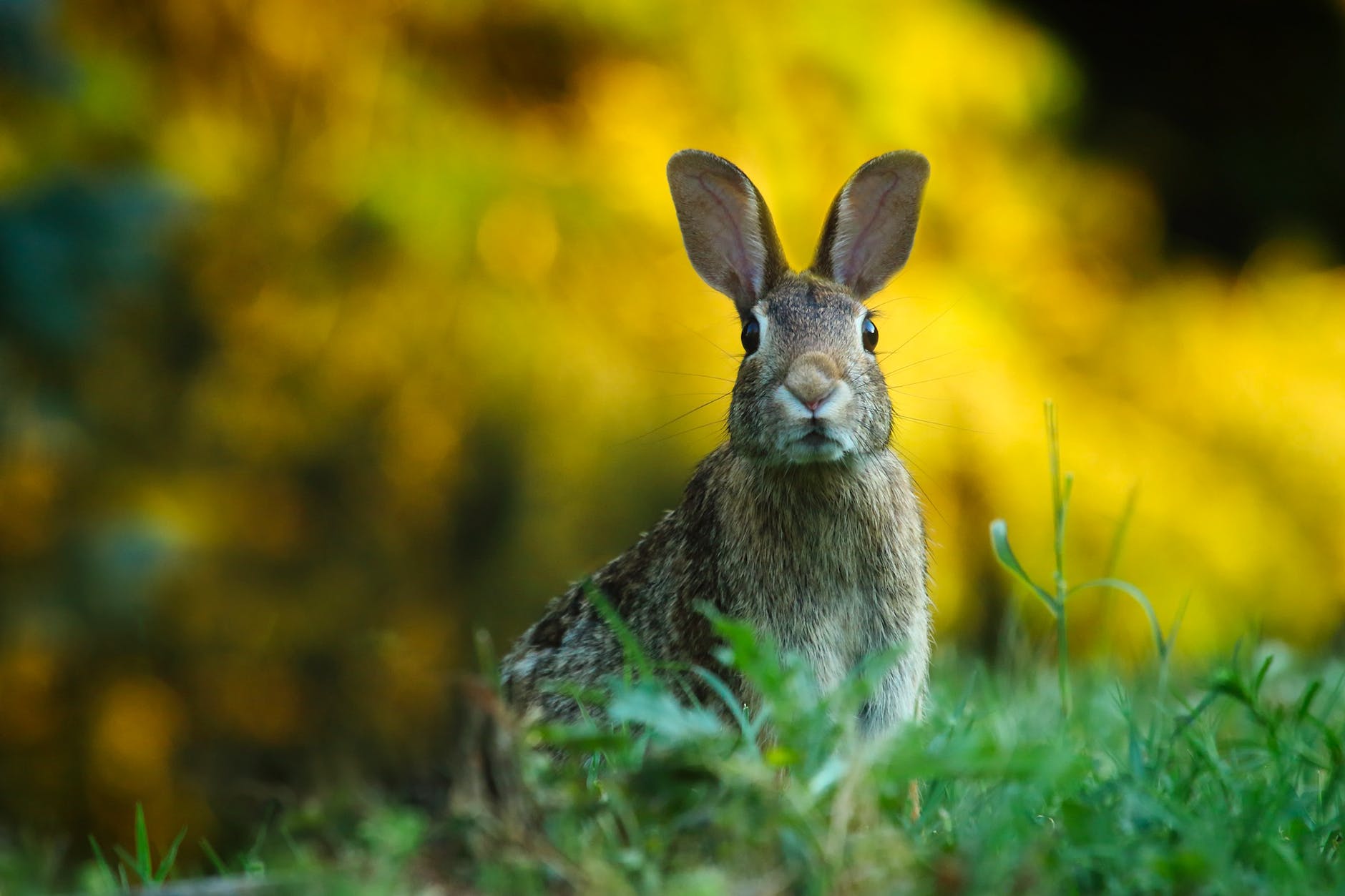
Photo by Pixabay on Pexels.com

Discovery Studio

Get ready for an adventure like no other as we dive into the captivating realms of forensic science and mystery writing in our upcoming project!

Join us as detectives-in-training, where Discovery learners will team up to tackle hands-on challenges and thrilling crime simulations. Using the principles of forensics and biology, participants will unravel mysteries, apply scientific thinking, and test hypotheses to crack the case wide open. From basic biology to genetics, every clue and deduction will lead us closer to the truth.

But wait, there’s more! In our Writer’s Workshop, learners will transition into master sleuths, crafting their own gripping mystery stories. Through collaborative book groups, learners will dissect mystery tales, uncovering the secrets behind captivating narratives.

Then, fueled by newfound insights, learners will unleash their creativity to construct their very own mysteries. From developing theories to testing hypotheses, every step will lead learners closer to crafting a tale that will leave audiences spellbound.

Learners, prepare to immerse yourselves in the art of intrigue and unlock the secrets of storytelling like never before. Get ready to become a true detective of both science and fiction in our thrilling journey ahead.
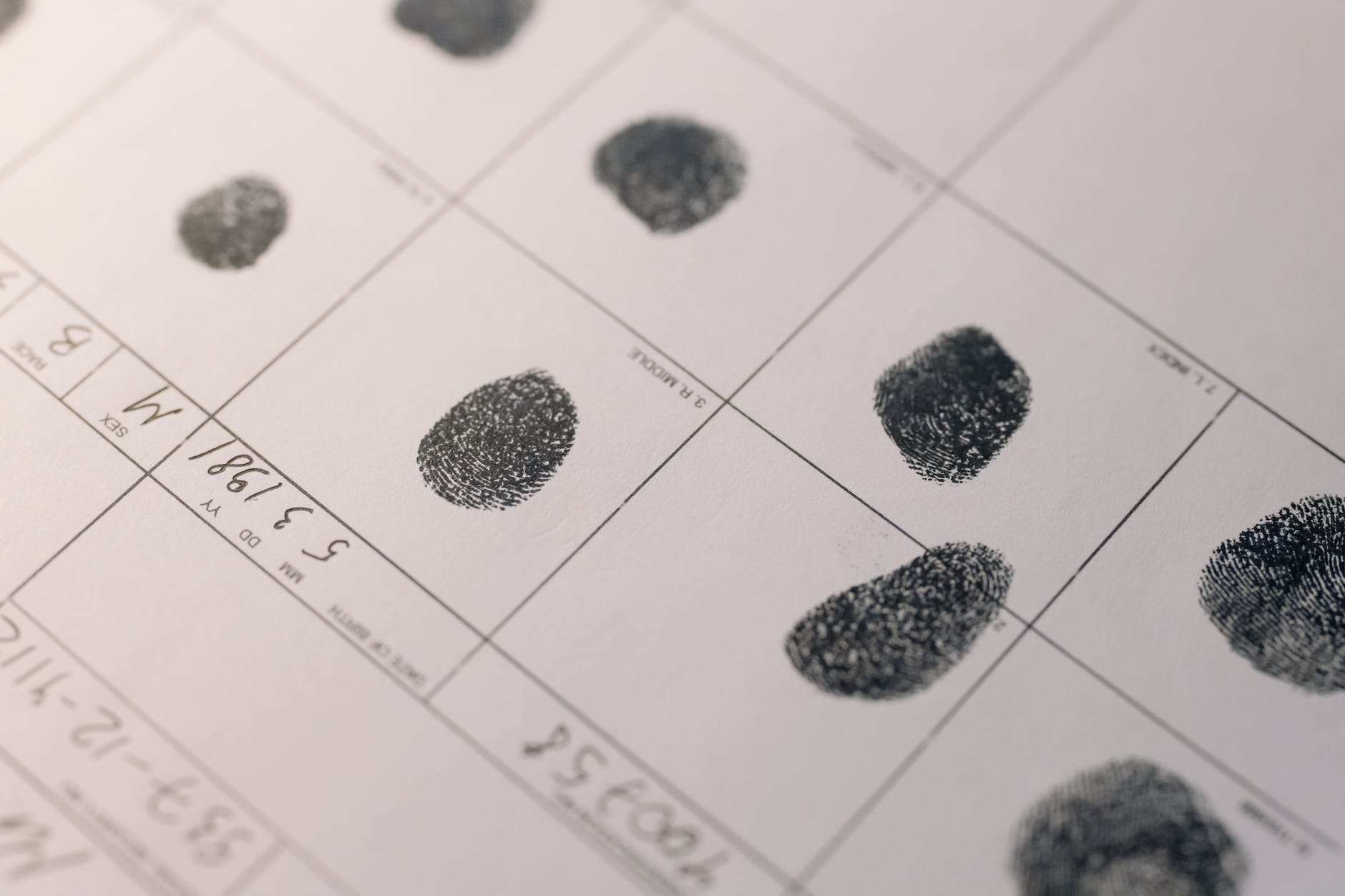
Photo by cottonbro studio on Pexels.com

Adventure Studio

Get ready to embark on an exciting and enriching journey as we dive into the fascinating realms of communication and rocket science in our upcoming projects!

In our communications this session, we’ll dive deep into the art of effective public speaking and persuasive rhetoric. Through writing our own speeches, engaging in writers workshops and welcoming guest speakers, you’ll learn how to craft speeches that will inform, inspire, and persuade your audience. From structuring your arguments to mastering the use of persuasive language and delivery techniques, you’ll develop the skills necessary to become confident and compelling speakers.

But that’s just the beginning! For project this session, we’ll be diving into the exhilarating world of rocket science. In our rocketry project, you’ll have the opportunity to explore the principles of chemistry as we design, build, and launch our very own rockets. From experimenting with different fuel mixtures to understanding the dynamics of thrust and propulsion, you’ll gain hands-on experience in applying scientific concepts to real-world challenges.

Prepare to unleash your imagination and hone in your communication skills!

Health & Wellness

“Courage emerges when we are vulnerable to be and be seen for who we are.” 

Aran Levasseur

In Session 5, the learners will be exploring what it means to be courageous. Courage comes in different forms and can be shown in different ways. We will explore different types of courage and what character traits support courageous acts. The learners will reflect on times when they have to be brave and what it felt like to take a risk. We will plan for how to be more courageous, how to stand up for ourselves and others, learn ways to cope with fear, and discuss how courage can build our confidence. 
Photo by u0410u043du043du0430 u0420u044bu0436u043au043eu0432u0430 on Pexels.com

Process over Product: Music in Spark Studio

Project time is an integral part of the learning design at The Village School and one of the things that differentiates The Village School from more traditional learning models.  In project time, the focus is on the process – not the product.  We value the who, how, and why behind a creation – not what is actually created.  By presenting learners with choices, an array of materials, and introductions to concepts and themes, guides free learners to explore their curiosity, work together, celebrate mistakes, give and receive feedback, and persevere through frustrations.

As a Spark Studio guide, I feel free to join learners in a “how and why” mindset.  I sit on the floor with the learners and invite them to share their thinking as they develop their projects.  Because there’s no curriculum, I can follow a tangent, build upon an idea, or abandon a project in favor of something new.

In session 4, Spark learners explored a music theme through several projects, including these three:

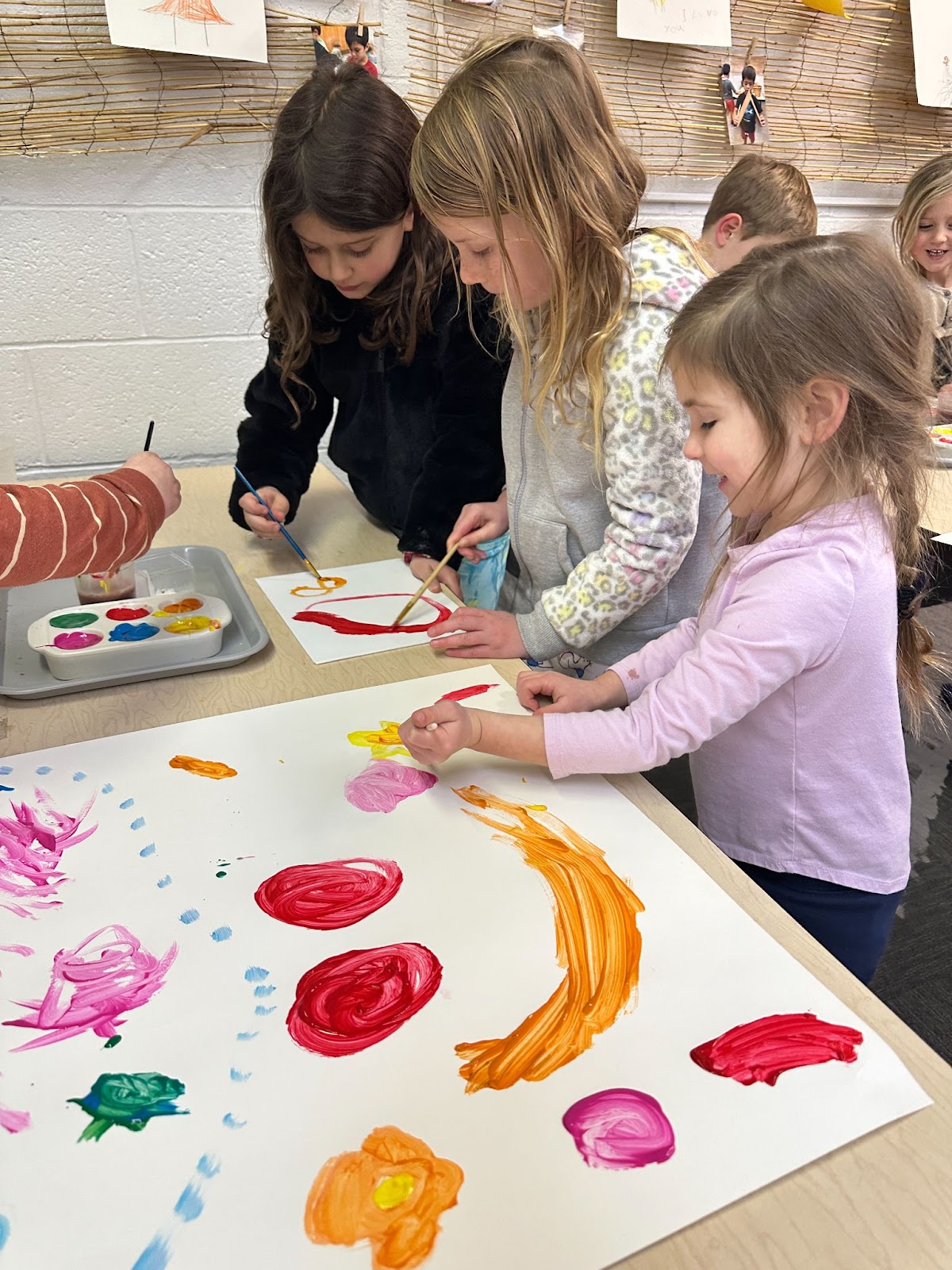
Project #1: Five learners gathered around a table with four small canvases and one large poster.  I played four songs (see playlist below) from different genres and asked the learners to paint how the music made them feel.  After a period, the learners rotated in a circle and had to paint on the canvas of the person next to them.  This challenged them:

  • How can I add my ideas to something someone else already started?
  • Should I ask the person next to me what she was painting?
  • How do I feel when someone else starts painting on my canvas?
  • What if the end result isn’t what I envisioned?
  • How does this music make me feel and what does it make me think about?

As learners naturally expressed frustration or possession of certain canvasses, I centered the discussion on encouragement, navigating disagreement, and feedback, as opposed to the end result. Interestingly, the learners liked the posters, which were the most chaotic, the best, perhaps because they were the most reflective of collaborative work and multiple music genres.

Project #2: There were four glass jars with different amounts of water, the water in each jar a different color.  Learners discovered that tapping each jar with a wooden mallet created a different pitch.  The learners worked together to compose songs and wrote them out using markers that matched the colors in the jar, instead of notes on a staff.  Learners were also exposed to the science of sound.

Project #3: Spark learners discussed how sound is made.  I played my cello for the learners and they observed that the strings vibrated and the sound echoed. This led to discussion about how the cello was made and why other instruments look different. We also watched a short video from the group “Stomp” which showed cast members making sound, and then a coordinated rhythm, out of simple plastic and paper bags.  After we spent time reflecting on the inspiration and talking about sound, I presented Spark learners with a buffet of loose parts and invited them to create their own musical instruments.  Some created string instruments, others wind instruments, others percussion.  Without the pressure of a deadline, learners had time to experiment, share ideas, work through challenges, and elaborate on or even cast aside first attempts.

My favorite part of project time is listening to the learners’ commentary and watching them work together.  “Why do we have to listen to this one?” “This song made me feel happy.”  “I heard this at a wedding.”  One learner broke into an interpretive dance.  When a learner’s string instrument fell apart, two other learners immediately jumped in to offer encouragement and to problem-solve.  This is the power of project time in Spark Studio.

*Spark Studio playlist for our painting project*

  1. *SPARK STUDIO FAVORITE* “The Four Seasons Recomposed: Spring 1”-Eldbjorg Hemsing, NDR Radiophilharmonie, Michael England 
  2. “Be-Bop”-Dizzy Gillespie
  3. “Eye of the Tiger”-Survivor
  4. “On the Nature of Daylight”-Max Richter

You Belong, You Matter, and You Have Value.

“Students learn best when they feel known, valued, and respected by both the adults in the school and their peers.” – Cultures of Thinking by Ron Ritchhart

At the Village School, we often say “who you are is more important than what you know”. What we mean by that is that who you are as a person – your thoughts, beliefs, passions, and values- are important, if not more important, than who you are academically. We value that each learner brings their own unique perspectives and beliefs to our discussions. As Ron Richhart states “when teachers don’t value what students bring with them into the classroom, we diminish students as individuals and dismiss their already substantive accomplishments as learners and thinkers”. Our learning environment centers around our learners’ voices and who they are as people, creating a sense of belonging for each of us.

A sense of belonging in a school community has been shown to have life-long impacts. When a child feels respected, valued, and a part of their school community, the science shows that this can have positive impacts on their wellbeing and identity development. Who you are in our community matters. We care about the things that make you an individual. We value each learner’s uniqueness, and we work together to create an environment where each of us values our differences, seeing them as a strength.

Is this easy? Definitely not! What happens when your values do not align with another person in our community? What happens when the differences in those values cause us to act in contradiction to those values? During Health and Wellness, our Adventure and Discovery learners explored this concept. We read a story together about a girl named Anna. Anna’s core value was open-mindedness. When Anna was having a discussion with a friend and they disagreed, she told them that they were “flat out wrong” and then walked away from the conversation, shutting that person down. Anna admitted that in the moment, this felt good, but later she realized that she had violated one of her core values. It didn’t feel good. Across studios we explored these moments together, the moments when we act in contradiction to our values, how that feels, and what do we do about it? The learners all came to a similar conclusion, it’s hard when another person does not agree with us. It’s hard when we have to engage in conversations where our values do not align. Acknowledging that another person sees things differently and respecting them at the same time, is difficult, and it is also essential in order to create a culture of belonging

Engaging in civil discourse about our values doesn’t just happen during Health and Wellness. For example, our middle school Civilizations curriculum invites learners to take on many different perspectives, especially those that might challenge their personal core values. Through this experience, learners explore the events of history and also their own belief systems.

Throughout our day, we cultivate moments for our learners to share who they are as individuals, expressing their core values and beliefs. We strive to create a culture where it is possible to be valued for who you are as an individual and live together in a community with others who have different values and beliefs. Each person matters, each voice matters, and each person belongs in our community. 

Middle School and Vulnerability Are Not Antonyms

“Yes, I am imperfect and vulnerable and sometimes afraid, but that doesn’t change the truth that I am also brave and worthy of love and belonging.”

Brené Brown

To kick off the new calendar year, Adventure has been exploring the question, “What is wholehearted living and why does it matter to me?” Our guiding north star in this exploration is the work of researcher, author, and speaker Brené Brown, specifically her 10 Guideposts of Wholehearted Living. Brown’s trailblazing work has sparked a movement of increased empathy and connection. Having experienced critical growth in my own journey because of her research, and seeing her work positively change the lives of others, I couldn’t move past the idea of sharing Brown’s data and stories with Adventure. Inviting 24 middle schoolers to be vulnerable and talk about how to let go of unhealthy behaviors and cultivate connection? Challenge accepted! 

Our deep dive began with simply introducing vulnerability, which Brown defines as “uncertainty, risk, and emotional exposure.” After discussing how vulnerability is crucial for connection, authenticity, courage, and resilience, learners were asked which one they thought was the most important for living a fulfilling life. Then, they were challenged to contemplate Brown’s quote, “Vulnerability is not weakness. In fact, I would argue it’s our greatest measure of courage.” Following Brown’s 10 Guideposts of Wholehearted Living, so far, learners have discussed the following: letting go of what people think and cultivating authenticity; letting go of perfectionism and cultivating self-compassion; letting go of numbing and powerlessness and cultivating a resilient spirit, letting go of scarcity and cultivating gratitude and joy; and letting go of the need for certainty and cultivating intuition and faith. I could share several of the thoughts that learners have expressed during our discussions, thoughts that have truly indicated deep thinking and consideration; instead, I’m going to share a story. 

Imagine this. It’s a humid, overcast Thursday morning. After two hours of focusing on Morning Work, learners are beginning to buzz around the studio, indicating they are ready to transition to the next thing on the schedule. The Community Meeting Leaders call for everyone to circle up and begin taking us through our sign-up list. The studio brainstorms solutions to several issues, a learner shares a speech in American Sign Language for a skills badge, and another learner shares a book pitch. Though we veer off topic a few times, the Community Meeting Leaders manage to refocus the group. We make it to the final name on the Community Meeting list and the learner begins to share. They speak openly, honestly, and calmly about something that has been bothering them in the studio. They voice their perspective and feelings on the matter, and make their boundaries clear. When they finish, they call on another learner, opening the floor for comments or questions. In response to this learner’s vulnerability, learners share the following:

I’m sorry if I had a part in this. 

I take responsibility for my actions and know I wasn’t the most kind yesterday. I’m sorry. 

I’m sorry if I made you feel this way, and you’re really brave for sharing this in Community Meeting.

I agree! This was really brave. 

I’m sorry. I’ve experienced this before, too. 

You’re right. It has gone on too far, and I’m so sorry. 

I didn’t realize it really hurt your feelings. I’m sorry.

I think we can all agree that we need to be more mindful about how we treat each other.

At the end of the meeting, everyone applauded this member of our community, and they walked to lunch together with smiles on their faces. 

This is not to say the Adventure Studio is perfect. We have moments that do not reflect the scene described above; however, what’s important is that we’re learning. We’re learning to be brave. We’re learning to be kind. We’re learning how to live together. This moment was a huge milestone for our studio and serves as a clear depiction of courage, empathy, and kindness. I can’t wait to see how Adventure will continue to grow and create a community of belonging, inside and outside of TVS.

Resolutions in Discovery

Our intention creates our reality.

Wayne Dyer

From the first day of school, Learners set goals. Every day begins writing the 3 SMART goals they want to accomplish. Each new session starts with reflecting on what was previously accomplished and where they want to focus their efforts now. In Winter Journey Reviews, Learners look ahead and think of what they want to achieve in the second half of the academic year, while also articulating how families and guides can support them in those goals. This January, Learners had the opportunity to set a different kind of goal known as a One Word Resolution.

The idea behind a One Word Resolution is that unlike other goals we set, you select a word that captures the mindset you hope to adopt. By reflecting on your values, intentions, and hopes for the new year you can create a compass for yourself to direct your actions. Ali Edwards is one of the people credited with starting this shift in resolutions. She explains the concept as: “celebrating progress rather than perfection … and the power of coming back again and again to your original intentions as a means of reflection and forward movement.” How beautifully this practice compliments our school’s values. Offering another opportunity for learners to exhibit the traits associated with the TVS Profile of a Learner, particularly goal setting, reflecting, and purpose. This is a tradition I have participated in with my own family and I was excited to share with Discovery. It might just be one word, but it can be incredibly powerful. As Joseph Murphy put it, “whatever you give attention to will grow, magnify, and multiply in your experience.”

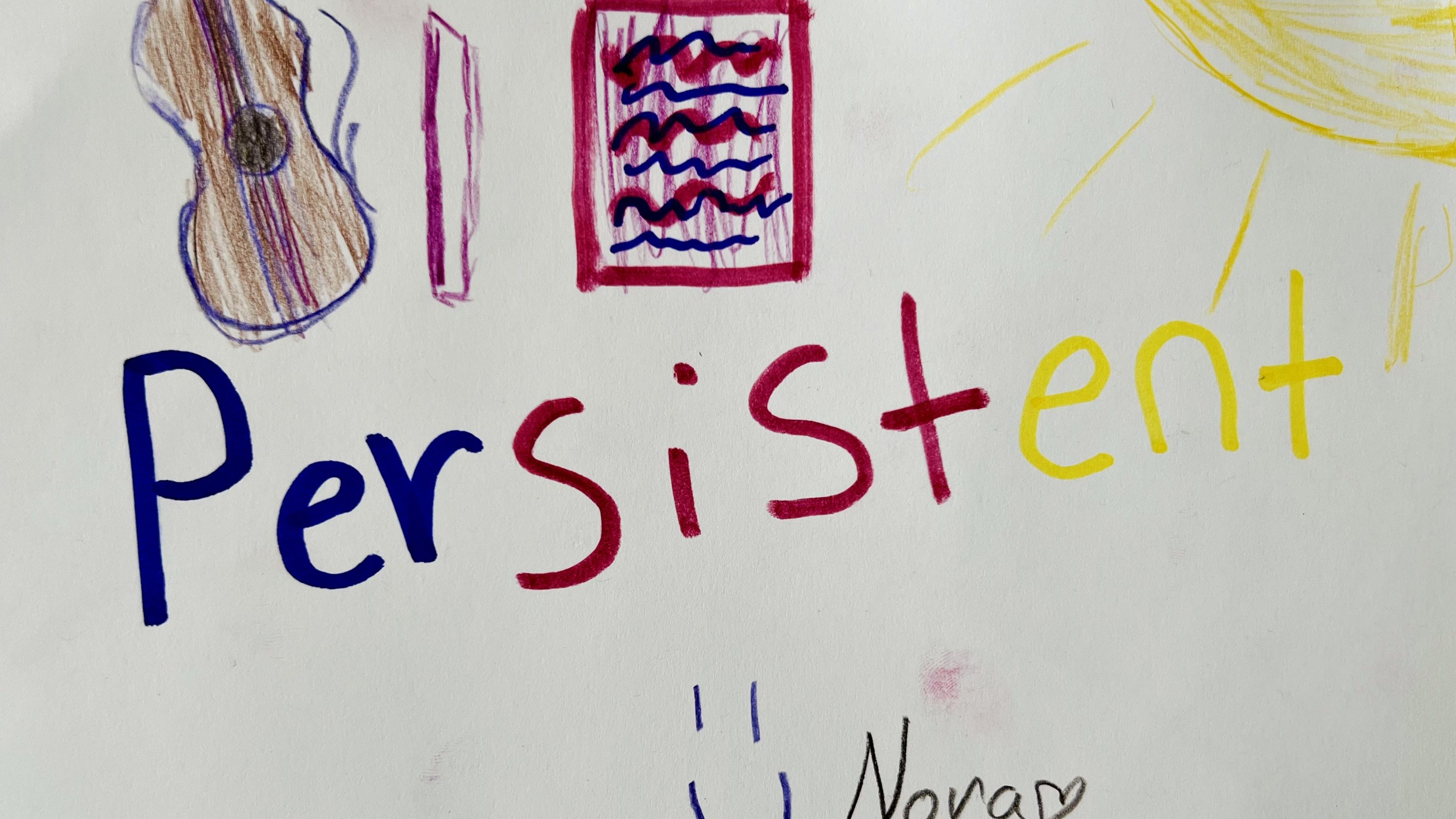
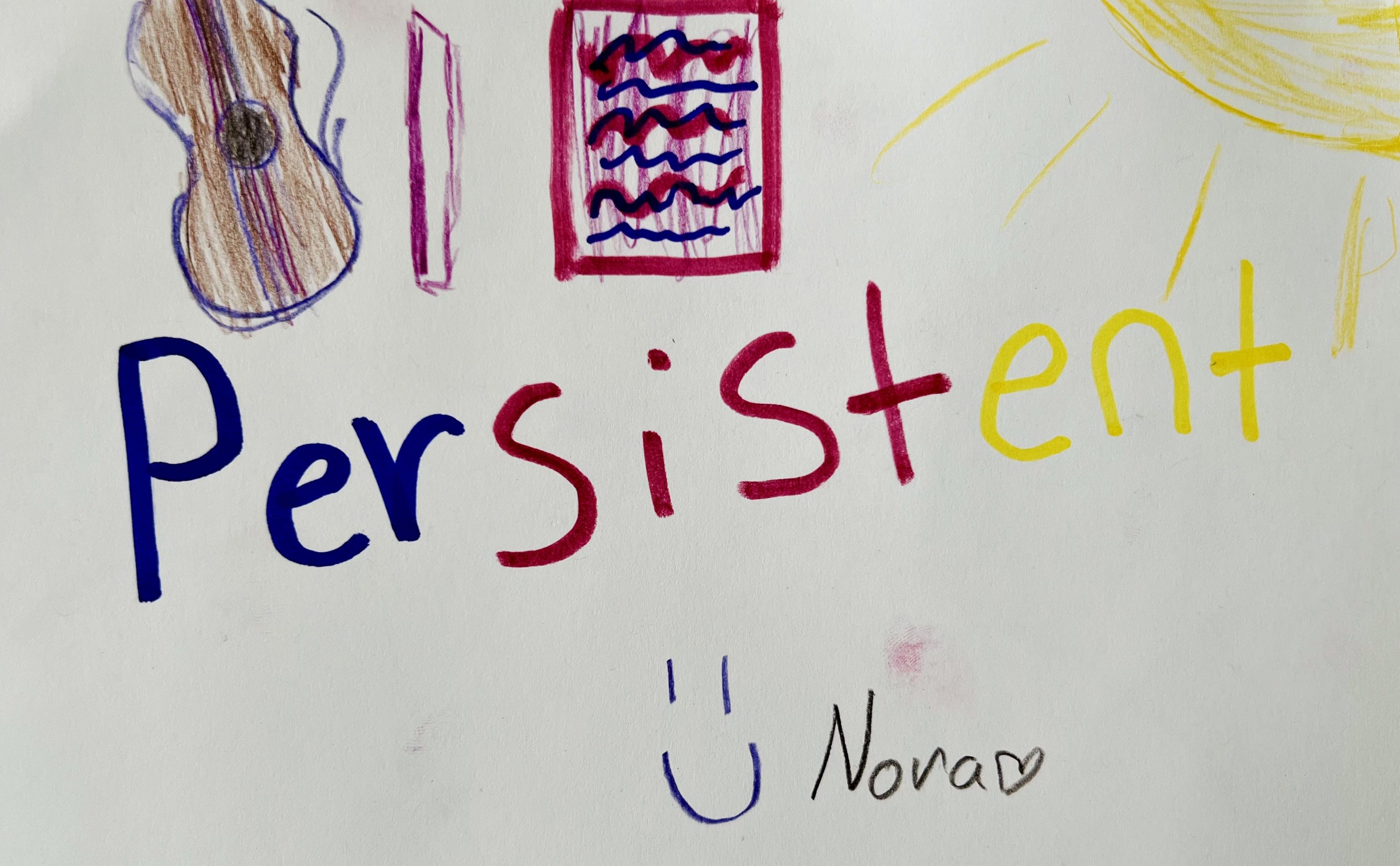
My word was persistence because I want to never give up and keep trying. It's important to me because I want to get a lot of work done. It's inspiring me to get on track.
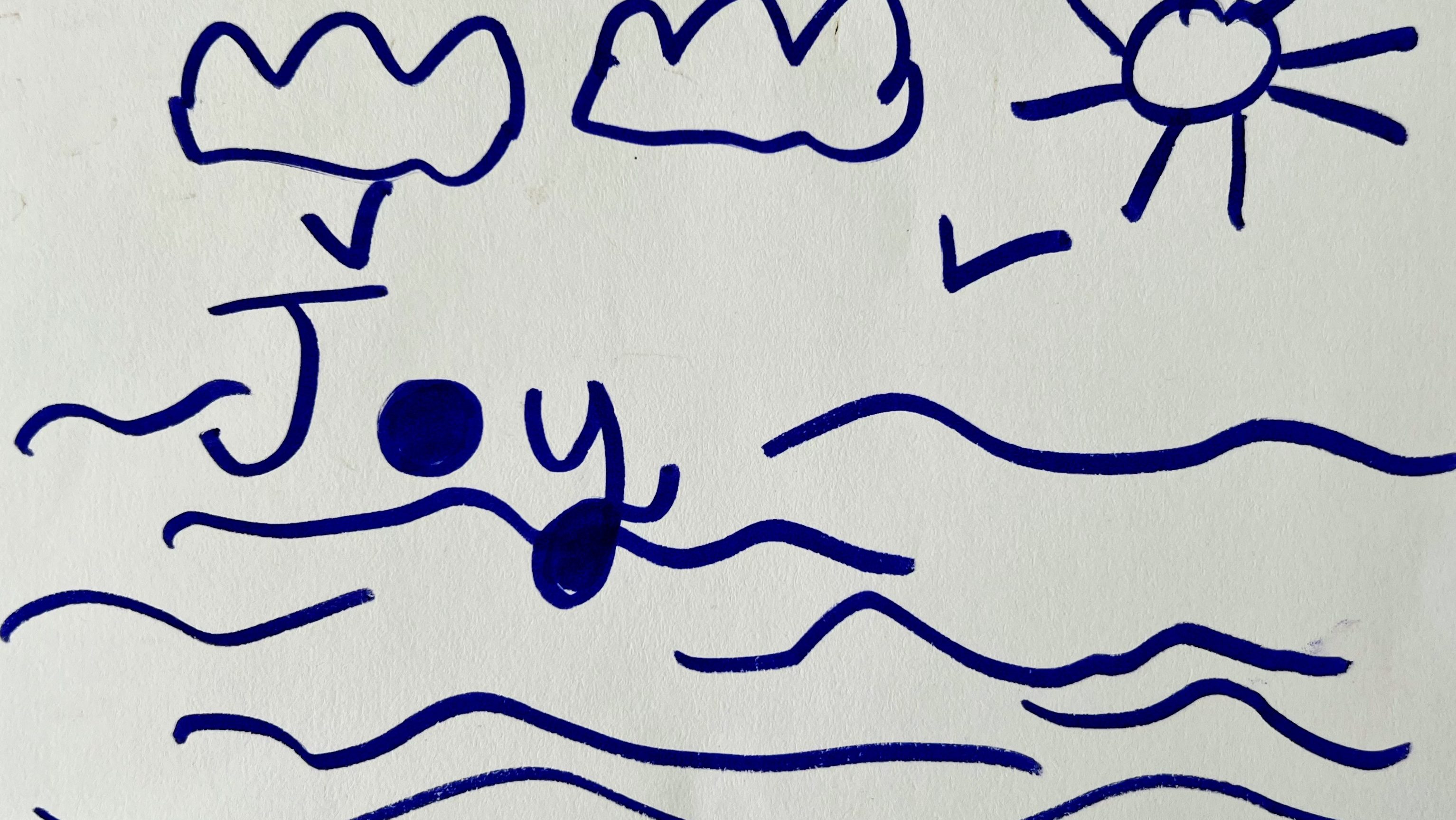
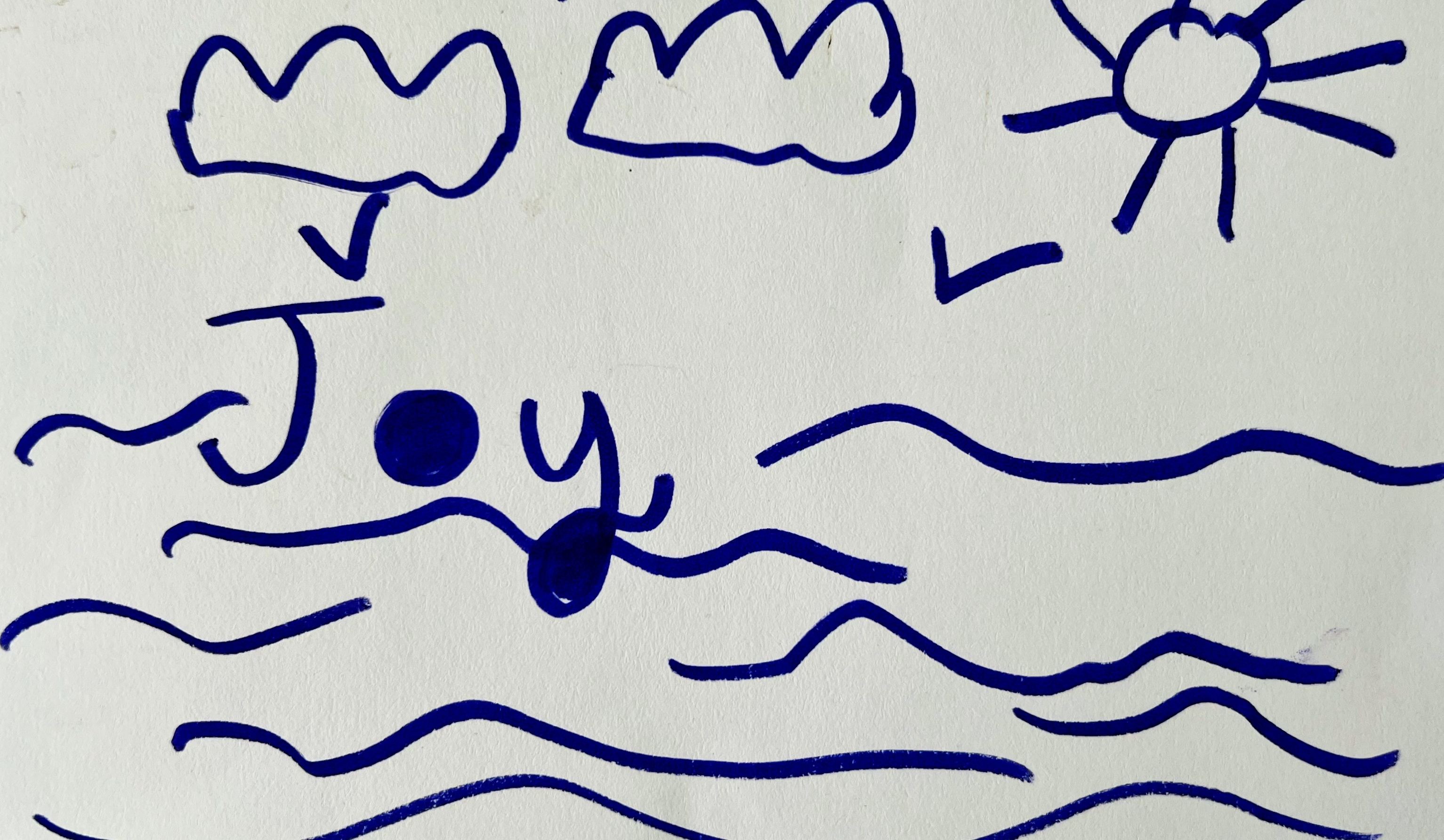
My word is Joy because my name means Joy. I also chose it because I want to keep joy when I do fun activities.
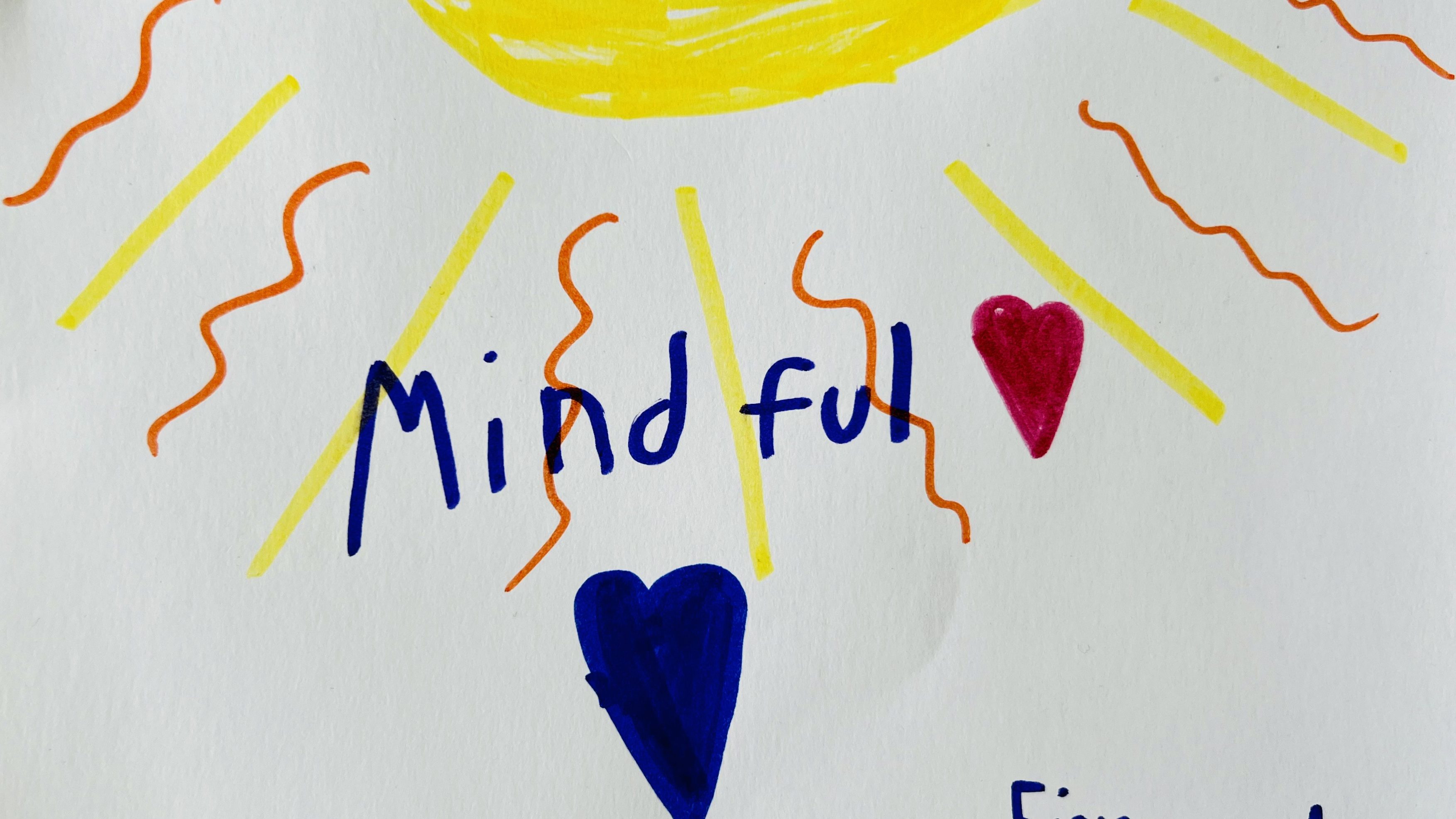
My word is mindful. This word is important because you can't just care about yourself. I chose it because I felt like I needed to be more mindful. I have done it a lot but I can do it even more throughout the year.
My word was determination and this word is important because I always try to be determined with my work and other things. I chose this because I feel like I have not really felt determined. 
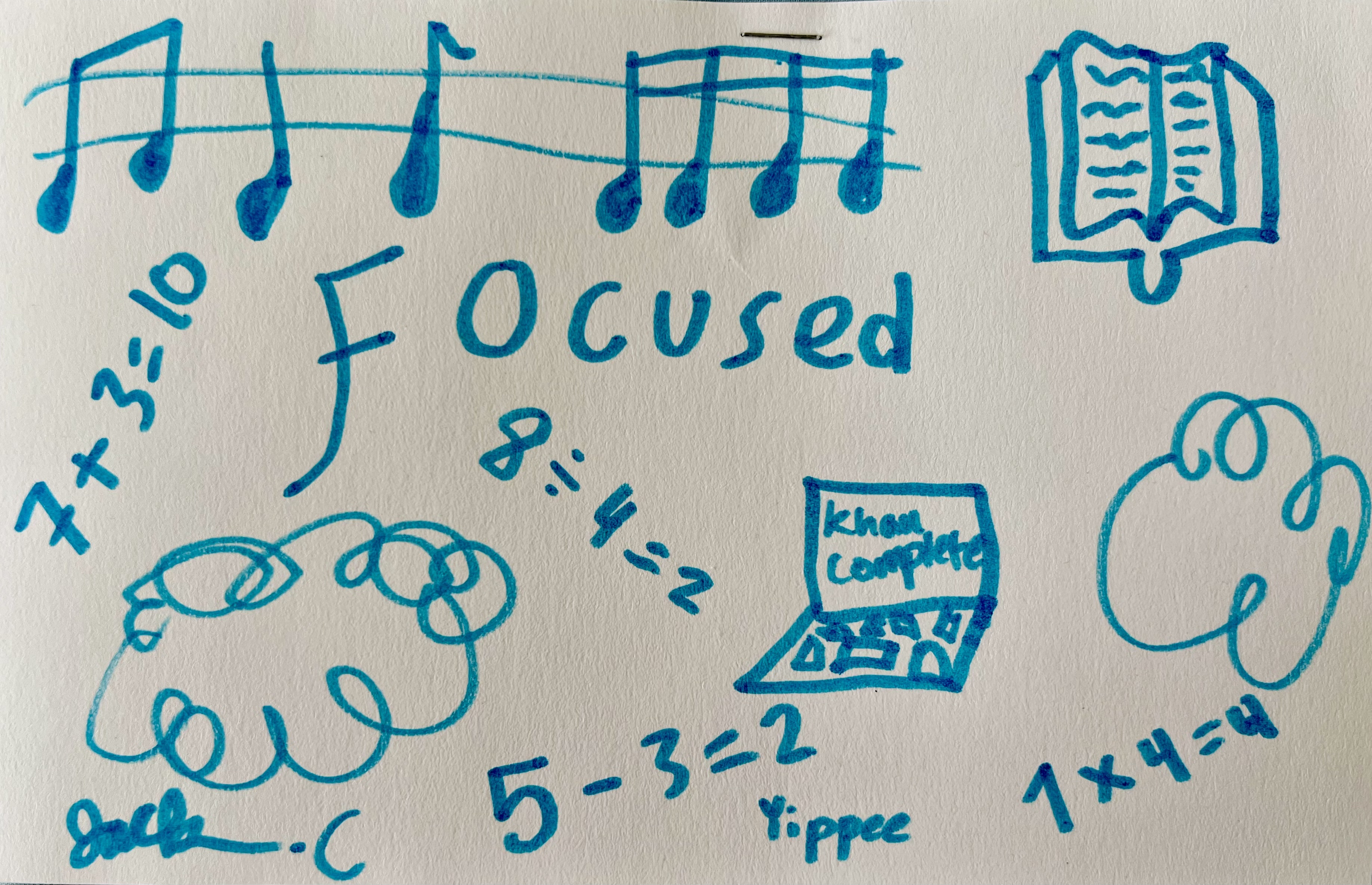
My word was focused and It was important to me because it will help me focus. I chose it because it will probably help me.
My one-word resolution for 2024 is organized and creative because I could not pick. These two words are important to me because I think I am already good at them and I want to try to do better! I chose it because I like being organized and creative!
My one was organized. It is very helpful because I am much more organized and I can keep better track of everything.
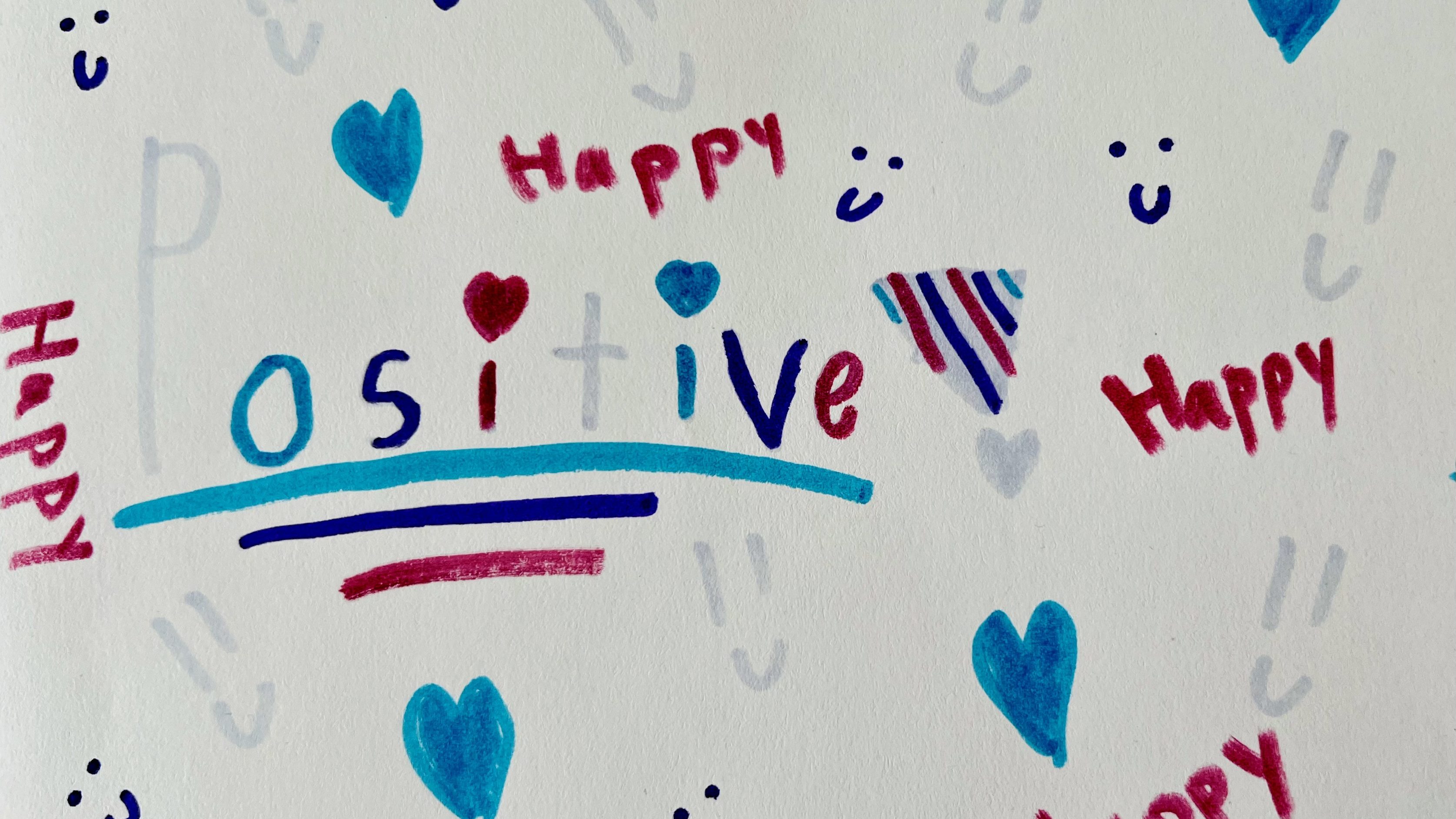
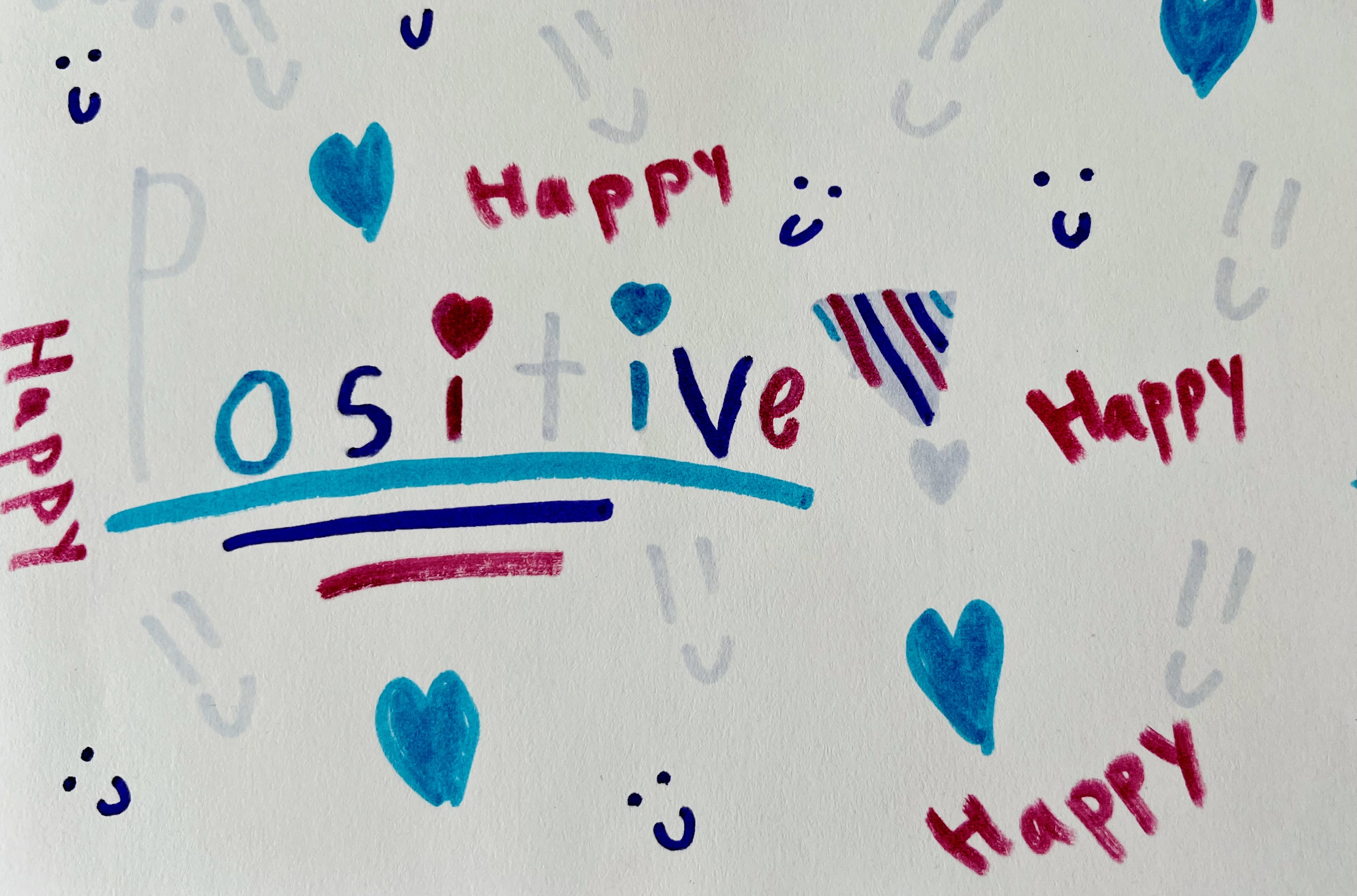
My one words resolution is positive! It gives me  motivation! It is a happy word!
My one word resolution for 2024 was to be creative. This word is important to me because I think it is the key thing to finding out what you want to learn. My word has not inspired me yet but I'm sure it will soon!

The Myth of No Homework

“It’s time for bed. You have to put your computer away now,” I say. 

“But Mooooom, I HAVE to finish this,” one of my children replies. 

This is a common scene in our household- one, while annoying, I’m grateful for. 

Instead of nagging my children to get out and do their assigned homework, I’m instead asking them to put away the “homework” that they’ve assigned themselves. 

Well, sort of. 

Over the past five years, I’ve watched as my children have come home so excited about something they’ve learned at school that they are eager to do more research or work at home on the topic at hand. Or- they’ve finally mastered something on Khan, and they are motivated by this newfound momentum and feeling of accomplishment. 

Other times, they are doing work at home because they are still working away on the checklist of weekly goals that they’ve set for the week. Many of these goals are self-initiated and some of them are there because of a nudge from us. 

“Hmm, I noticed that you have not read your badge book in a while. How many badge books do you plan on completing this year? What session is it now?” You see where this is going….

Being a parent of a self-directed learner doesn’t mean that we aren’t involved in our child’s learning journey. It means that we are involved in a different way. 

Whether it’s setting weekly goals at home with your learner, sitting next to them as they work through Khan, or removing other distractions at home so they are more inclined to pick up that book they’ve said they want to read, we are an important piece of the puzzle as they learn how to successfully direct their own learning. 

It doesn’t look like nagging. It’s definitely not micro-managing. But ideally, it’s clear boundaries, expectations, accountability- and yes, celebration!

In our family, it looks like (mostly but not always) a weekly check-in to set goals and an end-of-the-week check-in to see where we stand. It’s an ongoing discussion about the importance of effort and good habits. It’s frequently a groan and expressed frustration that “there isn’t more time!” 

In many ways, our children are stumbling their way towards prioritizing the things most important to them- not unlike the way many of us do as adults. There’s always more to do. There are a million different ways to fill a day. But how to fill it in a way that reflects your values and your goals? It’s a process and we’re learning together.

Learning to learn, learning to do, learning to be, and learning to live together is hard work- work that doesn’t end when the school day ends.

Lessons from a Cartwheel

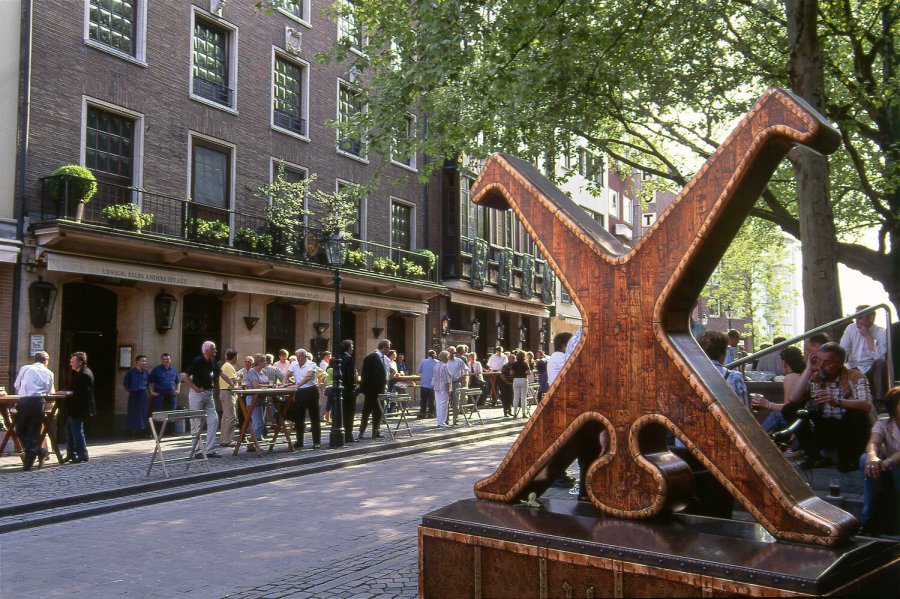
There is a town in Germany that is the home of over 100 art installations of cartwheeling children. There are statues of cartwheelers in parks, in fountains, hidden in the architecture of buildings, and imprinted in the sidewalks. The cartwheel has become such a prolific symbol of the city, there are tours you can take to see all 100 representations. If you’re up for it, you can also join the over 700 children that participate in the town’s annual cartwheeling championship where young people compete based on speed and skill as they cartwheel along the banks of the Rhine. 

The Dusseldorf Fountain

Although I’ve never been to the town of Düsseldorf, Germany, I feel an affinity to their celebration of the cartwheel. Lately, I feel like my daily life is a different type of cartwheel competition. My 8 and 10 year-olds cartwheel whenever they can and wherever they can: on the way down the hall in our house, over the 80 year old original hardwood floors, from the front door to the car, across the kitchen to retrieve a carton of milk from the fridge or just one more handful of pretzels that they promise won’t spoil their dinner, down the sidewalk on our way to piano lessons…you get the idea. The cartwheel is their preferred mode of transportation. 

My thoughts swing on the pendulum of extreme annoyance to overwhelming gratitude. Dear God what I would give for a quiet house and OMG please make the pounding stop, to in just a few years the house will be silent and I know I will long for the sound of cartwheels and laughter. My cartwheeling competition sounds a lot like the mom please watch this again and just one more and how many do you think I can do in a row and mom pleeeeease watch this. In just a few short years, stillness will swallow our house, and I know I’ll be the one who wants to create a monument to cartwheels in an effort to savor every second of their childhood and my motherhood. 

Just as elusive as childhood is the origin of the Düsseldorf cartwheeler. No one is quite sure exactly what caused it to be the town’s symbol, however all can agree that its meaning is all about communicating optimism and joy. 

Mastering the cartwheel is a childhood rite of passage that I never experienced. I have memories of watching all of the neighborhood kids gleefully throw their bodies around; a summersault was as much as I could contribute. Up until a few months ago, I thought my oldest daughter and I would have this cartwheel deficiency in common. She turned ten this summer, and despite the gymnastics classes and the perfectly executed cartwheels of her younger sister, she had yet to figure it out. Her cartwheels were clumsy, full of bent legs, and had no resemblance to the Düsseldorfers. Watching her imperfect movement was endearing to me; in fact, I admired her willingness to continue trying, patience with herself, and belief that one day she’d get it. Or, if I’m being honest I felt comfort that she was like me: incapable of a perfect cartwheel. When was the last time I attempted something and continued to fail for years at a time without losing hope, confidence, or self-respect? I’m not sure it’s ever happened. 

Entry to the cartwheel contest in our house has been a long time coming. It all began four summers ago when we took a different kind of leap and joined The Village School. Part of the Discovery Studio onboarding process was a series of challenges, including the challenge to choose something new to learn. My then six-year-old daughter chose to learn how to cartwheel. She documented her progress for a few days. After about a week of trying a few times each day she got discouraged. We called a friend whose daughter was a few years older and a talented gymnast, met them at the neighborhood park and she gave us some pointers. A few days later there was still not much progress. We watched at least twenty youtube videos titled “cartwheels for beginners” “cartwheels made easy” “cartwheeling 101” – nothing really helped transform the jumbled rotating motion into a crisp, clean, cartwheel. 

She decided to give up and choose a different goal in order to complete the challenge for school, but she never gave up on the goal of mastering a cartwheel for herself

Four years later, her last year as a part of Discovery before joining the middle school studio, something magical happened: she mastered the cartwheel. There she was, swinging two strong straight legs across her body and across our backyard, down the sidewalk, the hallway, and once again anywhere she went. The pride was contagious – not only could she finally do something that had come so naturally to her little sister – but she accomplished the goal on her own – it was hers to celebrate.  

There is something we can all take away from her 4-year journey to master the cartwheel. Replace cartwheel with any goal a learner might set for themselves – she set her own goal and accomplished it on her own time. She trusted herself and had enough confidence to keep trying, regardless of how long it took. She spent over three years doing crooked cartwheels alongside her younger sister and friends who had mastered the skill without any shame or embarrassment. She owned where she was in the process. And even better, she owned her own joy when she finally found success. Mastering the cartwheel was a goal she was intrinsically motivated to reach. 

I’m in awe of her persistence and even though I’m still cartwheel deficient, I’ve taken something of value from her process. Her journey is evidence that she is capable of so much. As she dismounts from Discovery Studio and vaults into Adventure, I know for certain there will be challenges ahead that she will be less excited to attempt. When those inevitable moments arise, as her parent I can remind her of the cartwheel and all of those moves she made on her journey to mastery: commitment to sustained practice, willingness to fail, acceptance of her limitations, seeking out help from experts, more practice, patience with herself, and most important, trust in herself. She believed she could, and eventually she did! 

As parents these moments are gifts, in the sense that they provide such clear evidence that our children are so capable. And, like the residents of Düsseldorf, the cartwheel now has a whole new meaning to our family. More than its playful reminder of the fleeting optimism and joy of childhood, the cartwheel is a reminder of our children’s strength and our role in cheering them on as they go head over heels in learning and in life. 

Session 4 Sneak Peek

Spark Studio

Photo by Tim Mossholder on Pexels.com

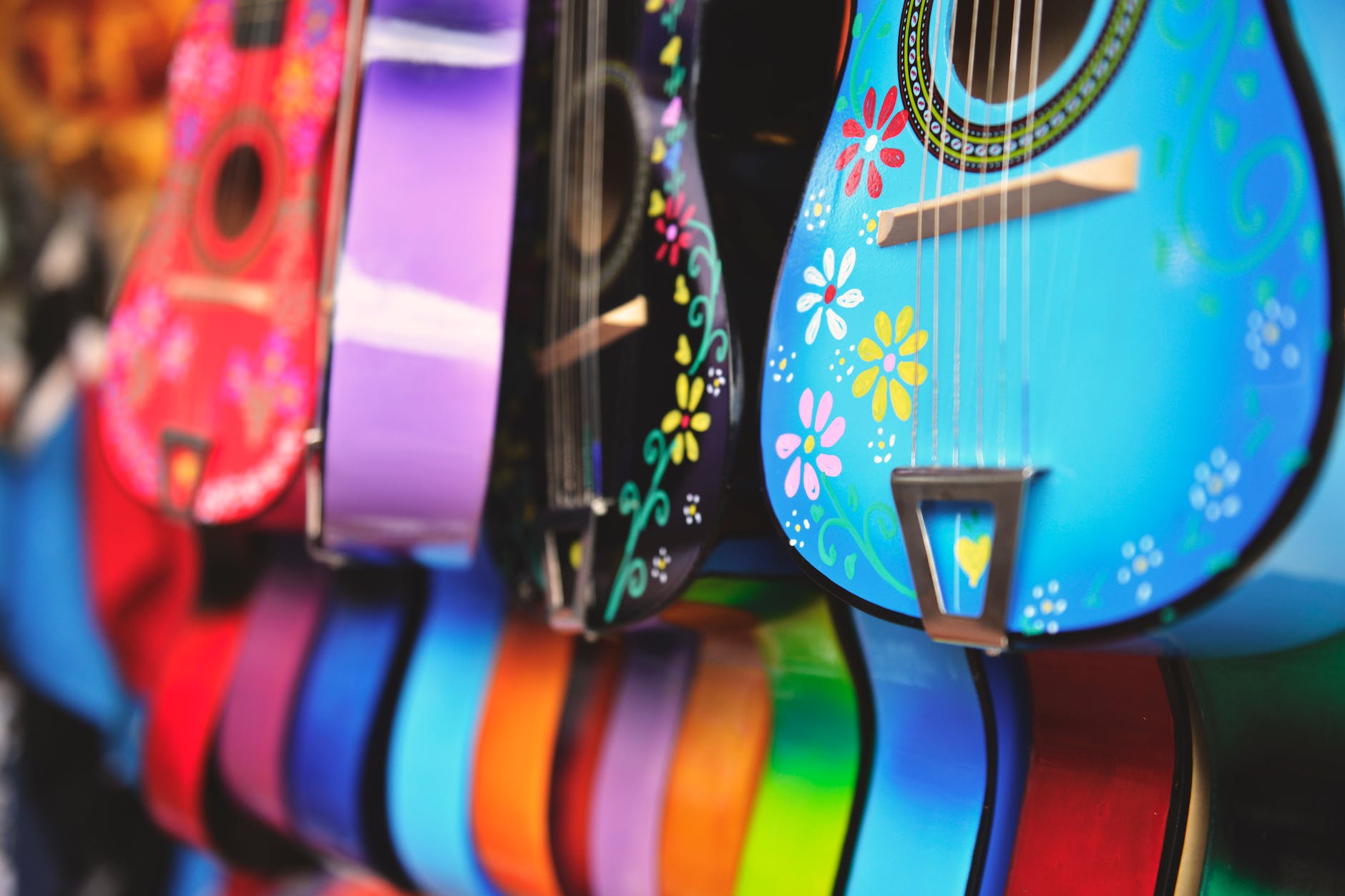
This session, Spark learners will explore music. Learners will begin the session asking the question: where does music come from? Learners will also look into the impact music has on our community.  Each week, learners will have the opportunity to listen to and discuss a different instrument, learn the history behind it, and watch how music has evolved over time. 

Learners will also incorporate music into circle, studio maintenance, and project time. They will design their own musical instruments, incorporate music into their art, and compose individual and group songs. Learners will end the session by sharing a timeline of their favorite music at our in-house exhibition. 

Discovery Studio

Photo by Pixabay on Pexels.com

This session Discovery learners will step into the shoes of an architect and embark on a journey of creativity and problem solving to design a tiny home for a real client – who also happens to be a local architect!  In design teams, learners will consult with their clients, learn about their needs, and consider all of the questions they might ask to build the perfect home. To accomplish this, learners will explore mathematical skills related to measurement, geometry, building, and construction. The session will end with an in-house gallery share of each group’s tiny home blueprints and models.  

Writer’s Workshop this session will offer learners an opportunity to step into the shoes of a poet, as learners consider the question: What is poetry and how can it be used as a tool to observe and gain deeper insights into the world around me? Learners will read and listen to different styles of poetry, engage in discussions about poems that they liked, disliked, or are curious about, and explore poetry as a way of expression and observation, a way of seeking new perspectives and practicing empathy, and as a tool for social justice. The session will end with each learner sharing a poem they have memorized at an in-house open-mic exhibition. 

Adventure Studio

Photo by Pixabay on Pexels.com

In session four, Adventure learners will explore the exciting realms of food science and restaurant critique. The focus shifts to the intersection of science and culinary arts, emphasizing hands-on experiences that delve into flavor dynamics, ingredient interactions, and the scientific principles behind cooking.

Chemistry takes the spotlight as learners apply precision to culinary arts, navigating precise measurements and geometric considerations in the kitchen. This application of food science will help the understanding of ratios and aesthetics, and will help to connect chemistry concepts to real-world culinary scenarios.

Venturing beyond the classroom, Adventure Studio transforms into a culinary critique hub. Students become discerning food critics through exploring local restaurants, evaluating diverse flavors, and honing their critical thinking skills. Learners will end this session by serving a three course meal to local food scientists.

Health & Wellness

“Don’t let the noise of others’ opinions drown out your inner voice.” – Steve Jobs

Photo by Markus Spiske on Pexels.com

Before winter break, the learners began to talk about what it means to practice self-care. They conducted self check-ins and decided on what area of self-care they needed to focus on. This session, the learners will decide how they want to improve their minds, bodies, or spirits, and set weekly goals. 

In Discovery and Adventure, we will practice different types of self-care each week. We will also explore the stories of other children and how they learned to take better care of themselves. Towards the end of the session, we will reflect on our values, the characteristics within ourselves that we hope to share with others. We will connect with ourselves and who we are, learning how to trust our inner voice

In Spark Studio, in addition to our Human Growth and Development lessons, the learners will continue to practice ways to be kind to themselves. We will practice positive affirmations, noticing our inner dialogue, caring for nature, and how to be confident. Building our Spark learners self-compassion skills will support boosting their self-esteem and build their resiliency for when they face difficulties later in life. 

Peace & Kindness

Over the summer, I had the privilege of attending the WISSIT summer institute for teachers held at the Washington International School.  To say that the learning experience was inspirational, would be an understatement. I was surrounded by some of the best educators from around the globe. Each day, I soaked in the messages of hope, peace, kindness, empathy, inclusion, and community. When the week concluded, I continued to reflect on the following questions: 

  • “What stories are we telling?”
  • “Whose stories are missing?”
  • “How can we create a community of peace?”
  • “How can we create a community of kindness?”

I knew that I had to find a way to better utilize our Health and Wellness time to think about the stories we tell, whose stories were missing in our community, and how we can take those stories and create a more peaceful and kind community together.

Following my inspiration from “Reflection of Peace” by Ellen Lafferty and “Telling the Untold Stories of Black Joy through 100 Languages” by Marla McLean, I set out to find ways to inspire our learners at The Village school to reflect on what peace and kindness look like, feel like, and how they can spread peace and kindness to each other. 

In our Adventure middle school studio, we listened to the stories of Unsung Heroes like the story of Alie and how one person’s friendship impacted her life. We examined the photographs taken by Thomas Holton, another WISSIT inspired activity, and asked ourselves about the emotions the family was expressing and whose story was being told. The learners were challenged to share their own stories of bravery, joy, handship, challenge, accomplishment, etc. We thought about how each of our stories contributes to the knowledge and impact we all have on each other. Each of us brings something special, something of value and importance to our community. 

Similar activities were shared with our Discovery elementary learners. As we explored peace and kindness, we had one big question left to answer: How do we want to be remembered? The learners thought about, 20 years from now, when a studiomate of mine opens the yearbook and looks at a picture of me, what do I hope they say? What do I hope my impact is? 

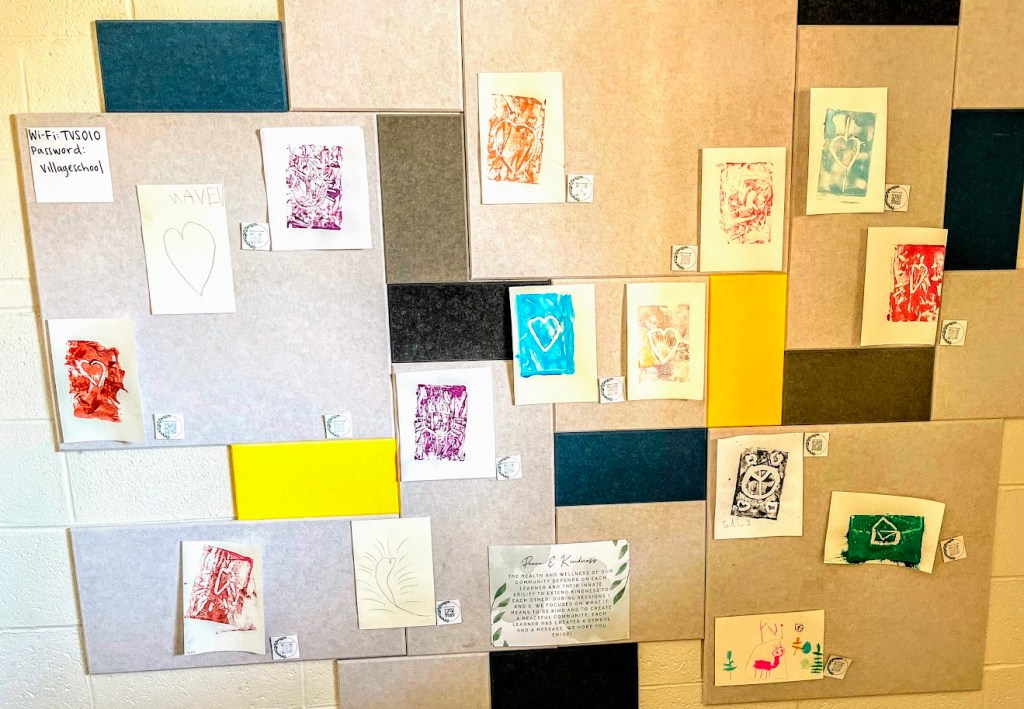
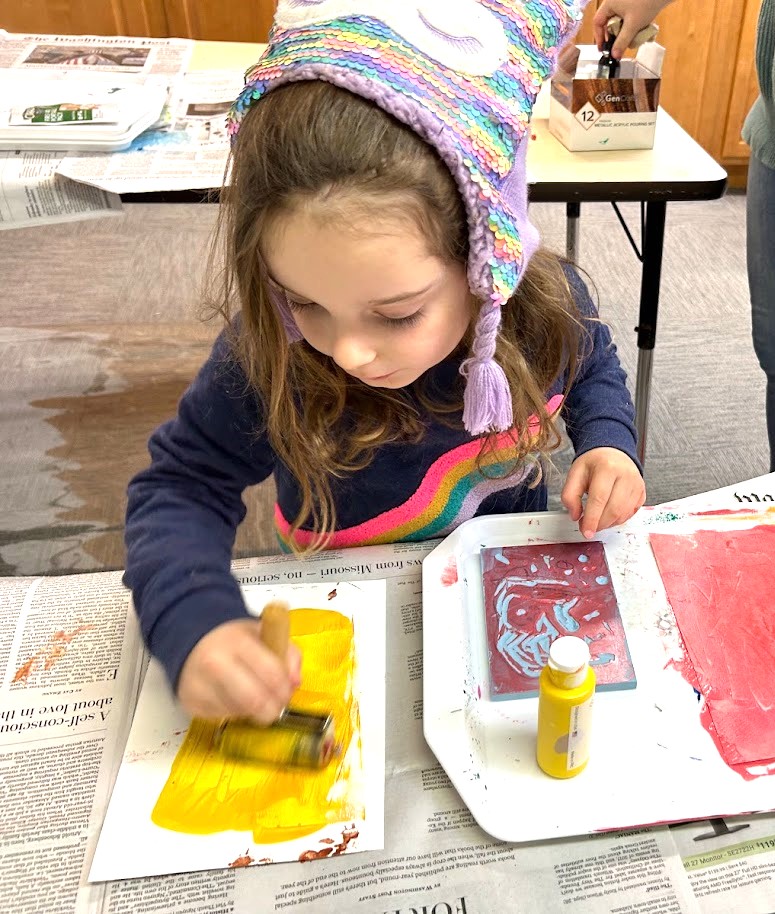
At the end of session 3, after 10 weeks of diving deep into the stories of others and the impact that being kind and peaceful can have, our learners each created their own stamp to represent what peace or kindness means to them symbolizing the mark they hope to leave behind on our community. They started with a brainstorm about experiences, images, and colors that represented peace or kindness. Then, they created a symbol. Now, it was time for the hard and meticulous work of transferring their symbol to a linoleum block. Each learner hand carved their design, painted, and stamped them onto canvas. As our Guide team watched the learners excitedly working, they became inspired as well. In one of our afternoon professional development sessions, we each created our own symbols with the help of some of our older middle school learners. The culminating piece was a short video message for parents and fellow studiomates to hear so they could learn more about what each symbol represents. 

There were symbols connected to nature, animals, friendship, the ripple effect we have on others, reading, family, and so much more. 

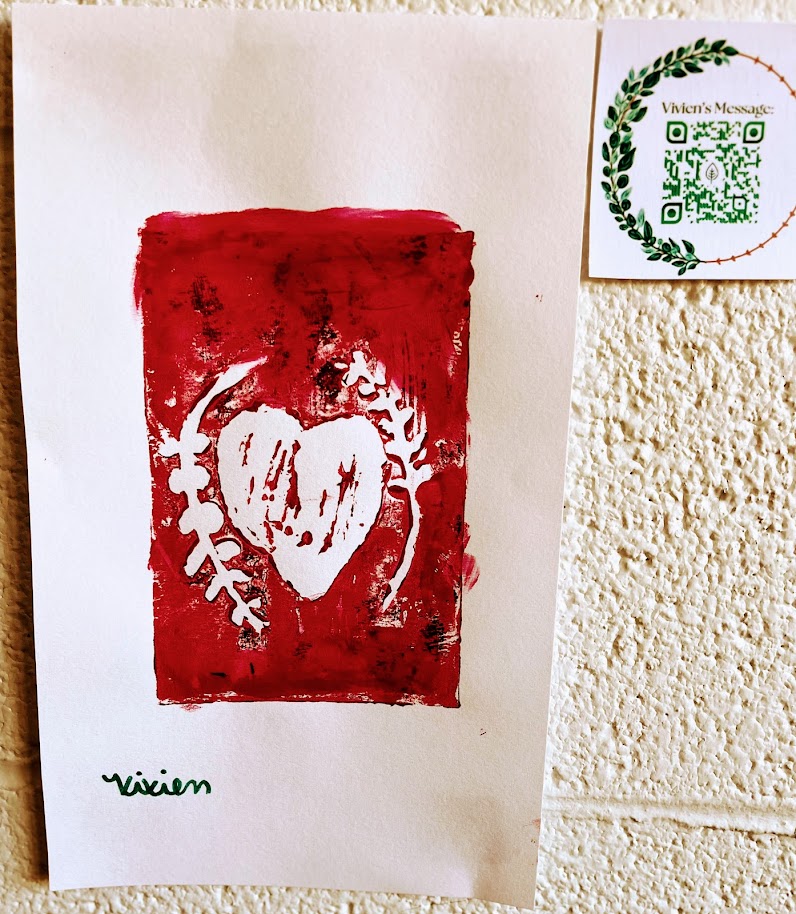
One of our Adventure middle school learners, Vivien, created a heart with olive branches, symbolizing peace and shared “a peaceful world is one where everyone is valued”. Other quotes from our learners that we found inspiring were:

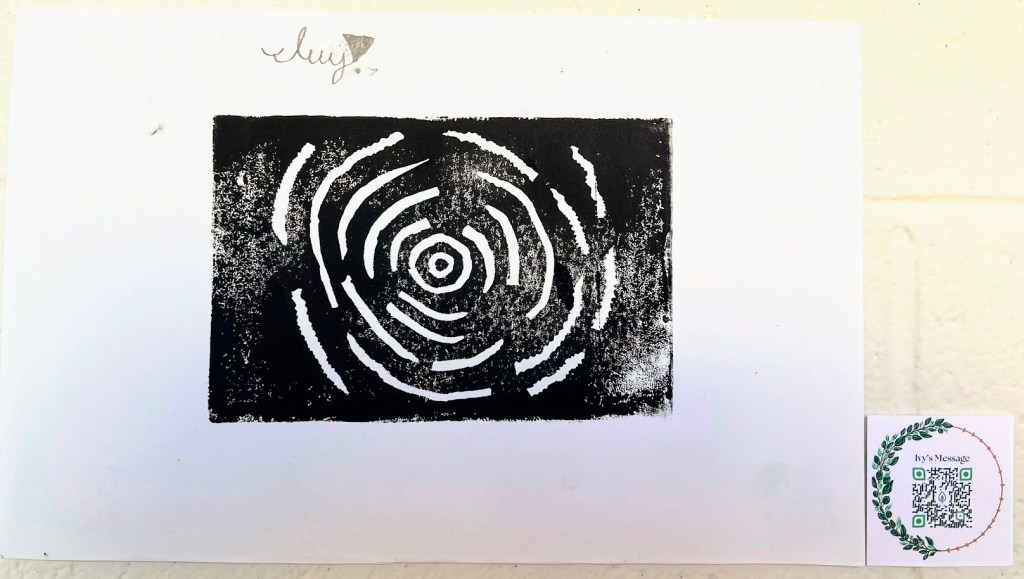
“My symbol is a ripple, like a ripple of kindness.  Kind of like a stone being thrown into the water. I think of it like my bunny’s feet. How I am going to spread peace and kindness is doing small things to be peaceful and kind and I think that will help because little things everywhere makes one big thing. “ – Ivy, Discovery Learner, age 10

“Kindness means holding my heart.” – Spark Learner, Age 5

“Kindness is a  note to somebody, like a thank you for being nice to me.” – Spark Learner, Age 6

“Peace and kindness means that people love us and help us.” – Spark Learner, Age 4

“A truly peaceful world would look like no wars and everyone getting along with peace and harmony.” – Adventure Learner, Age 12

Our learners have told their stories and they are the stories of hope, joy, challenge, achievement and inspiration. Each of their voices are valuable and have brought more peace and kindness to our community. 

SparkHouse’s Learner-Centered Paradigm

SparkHouse is a conference where schools from all over the country come together in Washington, D.C. to discuss ways to popularize learner-centered education. We talk about our schools to discover the similarities and differences of each school and make our learner-centered school better. We learned what learner-centered education means to us and how we can make it more accessible to everyone.

“A new future of learning is emerging–one that celebrates the wonder, creativity, and endless imagination in every child.”

Education Reimagined

Alexa: I am extremely grateful I got picked to go to SparkHouse. It was an amazing experience that I will never forget. Everyone felt genuinely excited to learn and excited to be there.

One of my most important takeaways from SparkHouse is how I want to improve myself. It made me want to become a better person. It inspired me to be more kind and think about what I am saying and how it will affect others. SparkHouse inspired me to give myself more room to grow and trust myself. 

Another important takeaway I had was that we have the power to change things. SparkHouse is an organization formed on the notion of change and I believe that it can make the world a better place. This inspired me to make a change in the world too.

I realized how important education is, and some people aren’t getting a good one. A lot of kids aren’t thriving in their learning community and SparkHouse could change that.

Overall, SparkHouse was a transformative experience.
Kate: I am so glad I went to SparkHouse because it was an incredible experience I will take with me for the rest of my life. 

At SparkHouse, I learned that to be a leader, you have to act like a leader to show younger people what a true leader is, not just tell them, and the same goes for learning. To get younger people to want to know, you have to excite yourself because kids have a habit of copying what you do. 

SparkHouse was a meaningful experience because everyone treated me like the human I am. A lot of times, adults will treat kids like they don’t know anything when, in reality, a lot of times, we know just the same amount as adults. 

What I want everyone to know about SparkHouse is that there is hope for everyone. Everyone has the ability to do anything, but they might not be in the right environment. That’s why learner-centered schools are so important; everyone can find the right environment to learn. Sometimes, learner-centered schools are not suitable for some people, and that’s okay, but in many cases, they are the correct answer. That’s why it is so essential to get the word out there that there is another answer. 

A lot of times, kids grow up thinking that they are stupid and dumb when, in reality, it is the adults in their life that are telling them that and the tests that they are not good at. But learner-centered schools don’t have that mindset because they help kids learn that everyone learns at a different pace and that is okay.

Luke: SparkHouse was a transformational experience for me because it showed me there is no one way to do learner-centered. Learner centered can be taking responsibility for your own learning to following your passions and goals. At SparkHouse we talked about the similarities and differences within our schools and found that learner directed means learning the way you personally are meant to learn. Learner directed is not just taking responsibility over your own learning or following your gifts and passions, what learner centered means is learning the way that your brain learns the best. The biggest takeaway I had was seeing how many cool things every learner was doing when they had the environment and resources to thrive.

Owen: This was not my first Education Reimagined event, but I feel so much more knowledgeable after participating in this event, and it has been the most influential Ed Reimagined event that I have participated in yet. I am so grateful that I was invited to this incredible event, and I am grateful to all the other environments out there for helping me learn more about learner-centered education.

At the 2023 SparkHouse conference, I learned so much about other schools, and learned even more about myself and my own environment. I learned how much I want my environment to be full of curiosity and excitement to learn. I wanted to try and spread that contagious feeling through my school. I think that this trip was extremely necessary for my school, and we all went back home feeling inspired to make some changes to our environment.

This conference made me curious about education and made me put a lot of thought into what I want my high school experience to be. It is really scary to think about high school because I don’t know exactly where I will go. There are no learner-centered high schools where I live. As I thought about it, I realized that, wherever I go, I think that learner-centeredness will come with me, because I will always do cool projects and I will always have a unique sense of agency in my education, thanks to my elementary and middle school experience.

At this SparkHouse, the most interesting part was making the videos. At SparkHouse, we split into groups and pulled different topics out of a hat. Each topic was oriented around learner-centered education. My group’s topic was employers on learner-centered education. We made a video full of cool scenes with an interesting storyline. This was the most hands-on thing that we did, and I enjoyed how we could relay our opinions and beliefs through creativity.
I really am grateful for being able to be part of this community and inspired by all the really good things Education Reimagined is doing to raise awareness of what learner-centered education really is. Hopefully, one day, everybody will know about learner-centered education. Every kid deserves this education.

Aaryn: I am truly grateful for SparkHouse and honored to have connected with the incredible young people and educators there. I was moved, challenged, encouraged, and inspired by this learner-centered community at what felt like every moment. I can’t wait to see how this dedicated and capable group of learners will continue to ignite learner-centered education!