The Great Bunny Rescue

Halfway through lunch time, Spark learners noticed something moving in the window well, deep underneath the ground.

“There’s a baby bunny down there!”

“I think it has a cut!”

“Can we save it? Please?”

They brainstormed about how to get it out.

“Who has ideas?”

“Let’s ask Evan because he has like a thousand pets.”

“We are making a ladder so it can jump out. My bunny used to run up a ladder.” 

“We need a bunch of sticks.” 
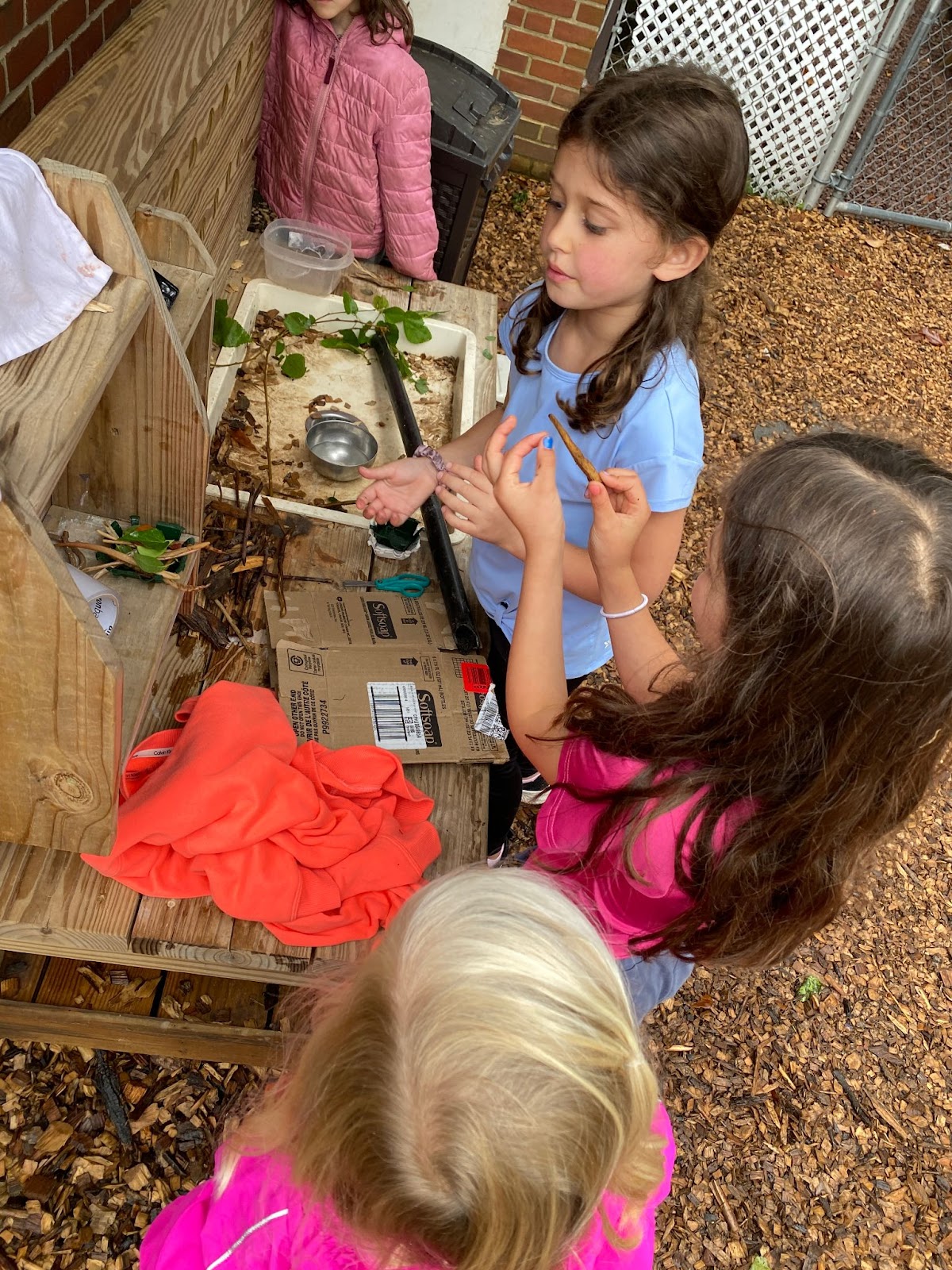
They prepared a home for the rabbit while Ms. Gwyneth called animal control.

“You need water so the bunny can have something to drink.”

“Why do we need three bowls?”

“In case one gets dirty!”

“Guys, we have to filter the water. I’m trying to get out all the dirt (from the bowl).”

“Can we use this?”(A plastic water bottle)

“Here’s a food and water bowl! Green is for food and white is for water.”

“Here are some leaves.” 

“My bunny eats leaves! Wait, who got this poison oak?! We are not feeding poison oak to a bunny.”
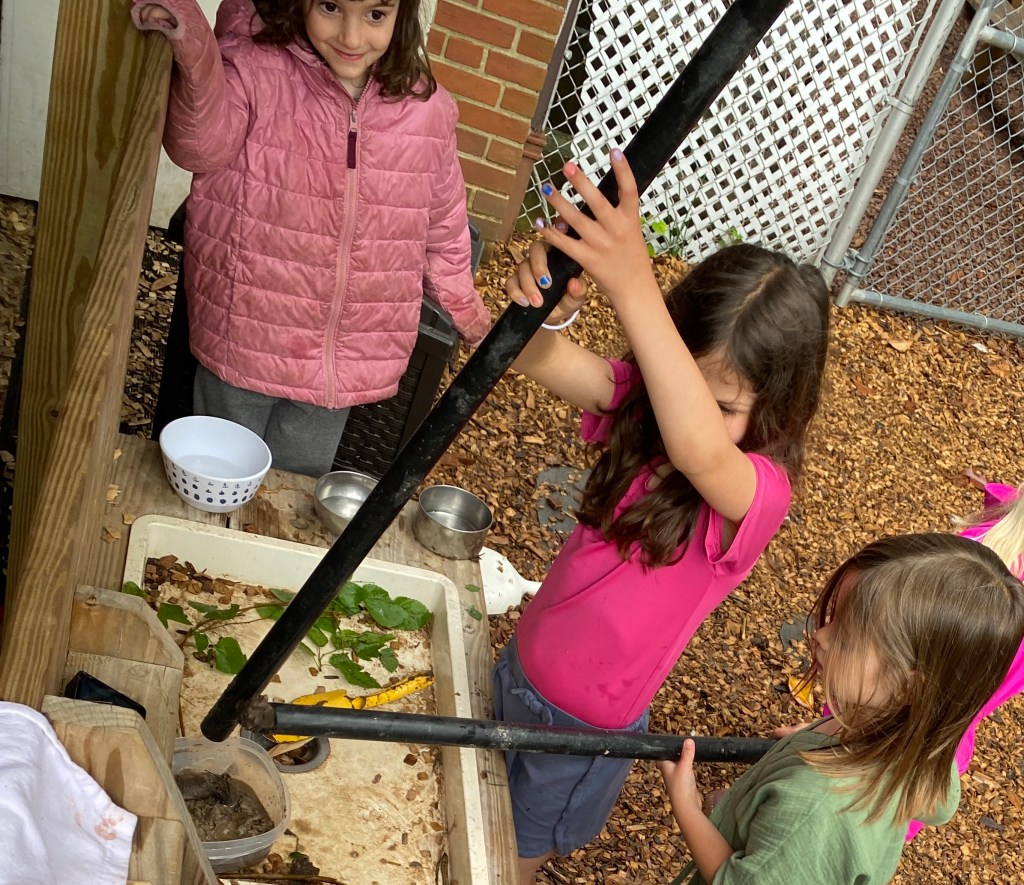
They wondered how they could aid in the rescue.

“Get some sand! We can use the sand to help stick it together.”

“We can tape the bottom so it doesn’t fall out.”

“More sand!”

“That’s too much!”

“Oh wow Alice, you really helped!”

“Mulch goes over there.”

“It’s just so adorable when you two work together.”
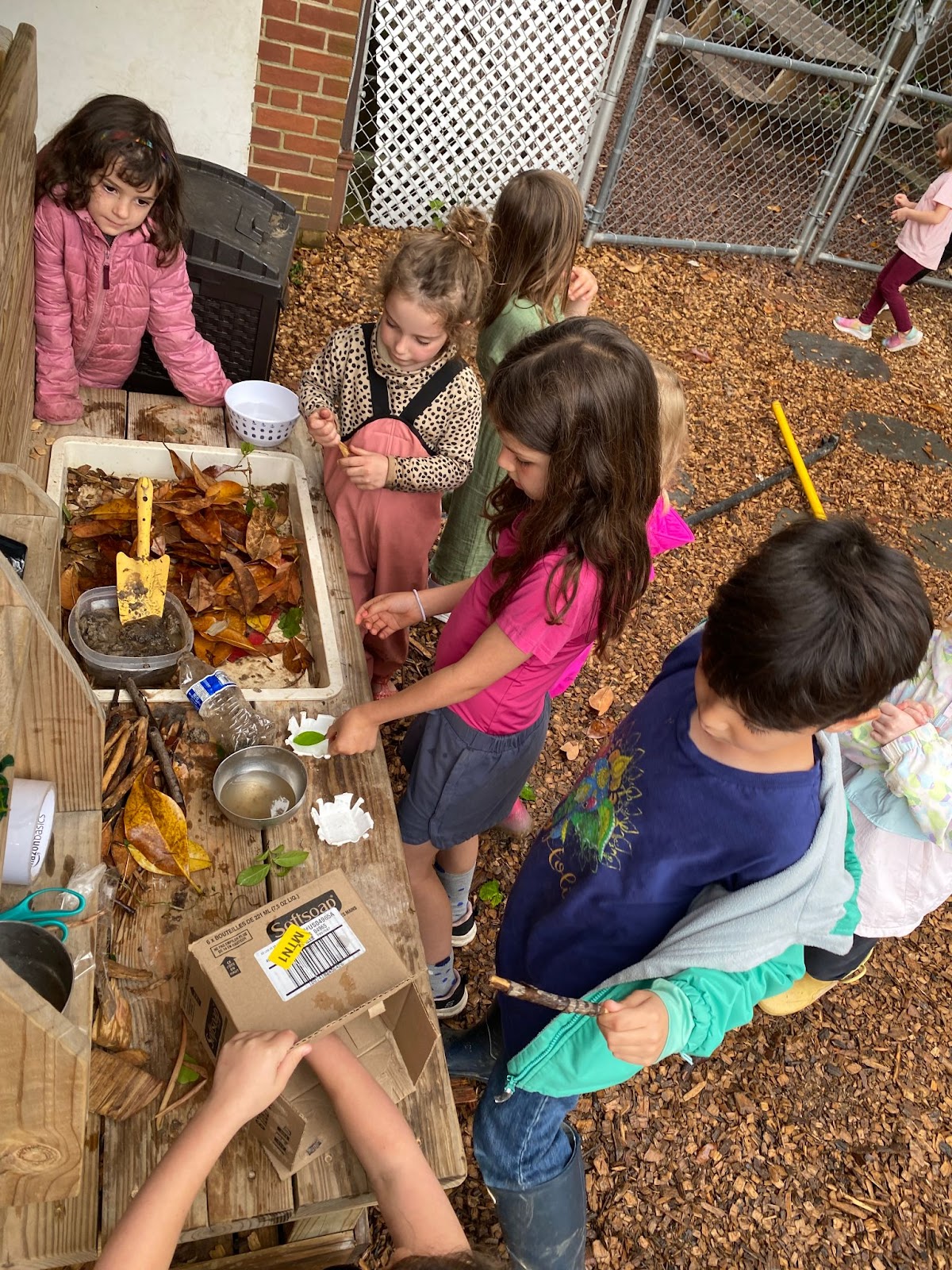
“I’m going to play baseball. I’ll be right back.”

“We should put a band-aid in, in case it has a cut.”

“Bunnies don’t know how to use band-aids.”

“We can put it on for them!”

Just before we had to go in, Officer Grace from Animal Control arrived to help us catch and release the bunny. Spark learners watched closely as she released it from her net.

They cheered quietly as it hopped away. After the dramatic rescue, learners had lots of questions for Officer Grace, who generously stayed for an impromptu Q and A.

Q: How many animals have you saved? (A: Many!)

Q: Have you ever rescued a bear? (A: We have a bear in Arlington County right now. We’re going to leave him alone and he will walk home.)

Q: Have you ever saved a bird? (A: Yep.)

Q: Have you rescued a really tall animal? (A: I saved a really big dog once, does that count?)

Q: Have you ever rescued a snake? (A: Yes, lots of snakes.)

Q: Have you ever rescued a cheetah? (A: Well no, not a cheetah.)

Q: Have you ever rescued an animal from a burning house? (I haven’t, but we took in animals who had been rescued from a house fire.)

“Thank you for being so kind and calling us to save the bunny. If something like this ever happens again, you can call us any time.”
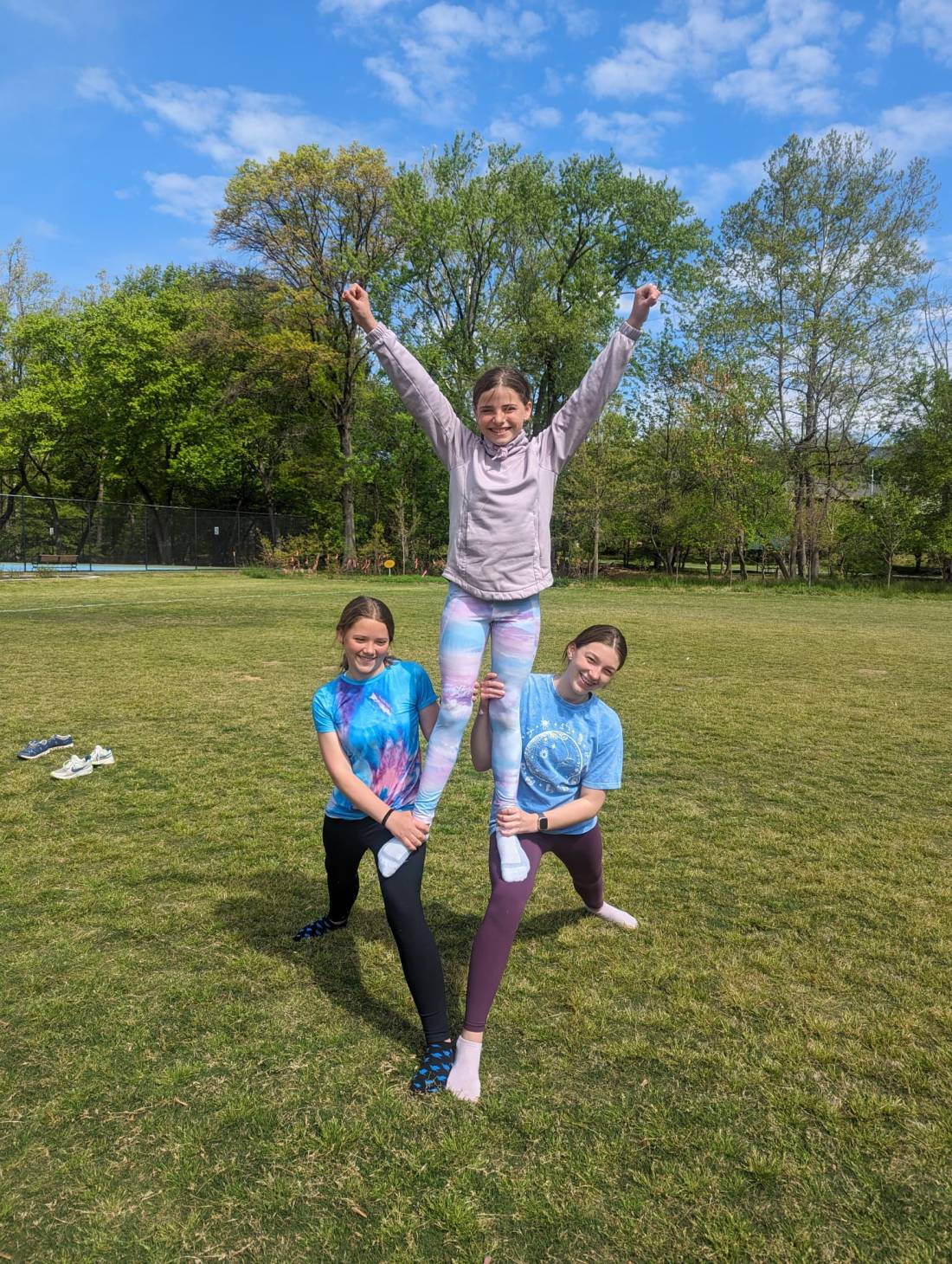
Connecting with Compassion

As a guide who recently graduated college and moved states away from my family, I’ve been grappling with some personal challenges, which made last week particularly tough. 

However, amidst those difficult times, I also experienced an overwhelming amount of love and support when I came into work each day, not just from my fellow guides, but from every learner in the Adventure studio. 

On Monday, some of my coworkers noticed I was upset and surprised me with lunch and snacks, bringing me to tears. The learners noticed that I wasn’t myself, and offered support: “Are you okay?”, “What happened?”, and “What can I do to help you?” Feeling the overwhelming love and support, I went home that day thinking, “Wow, I can feel the support of the community” and “I am so extremely grateful to be a part of the culture we are building.”

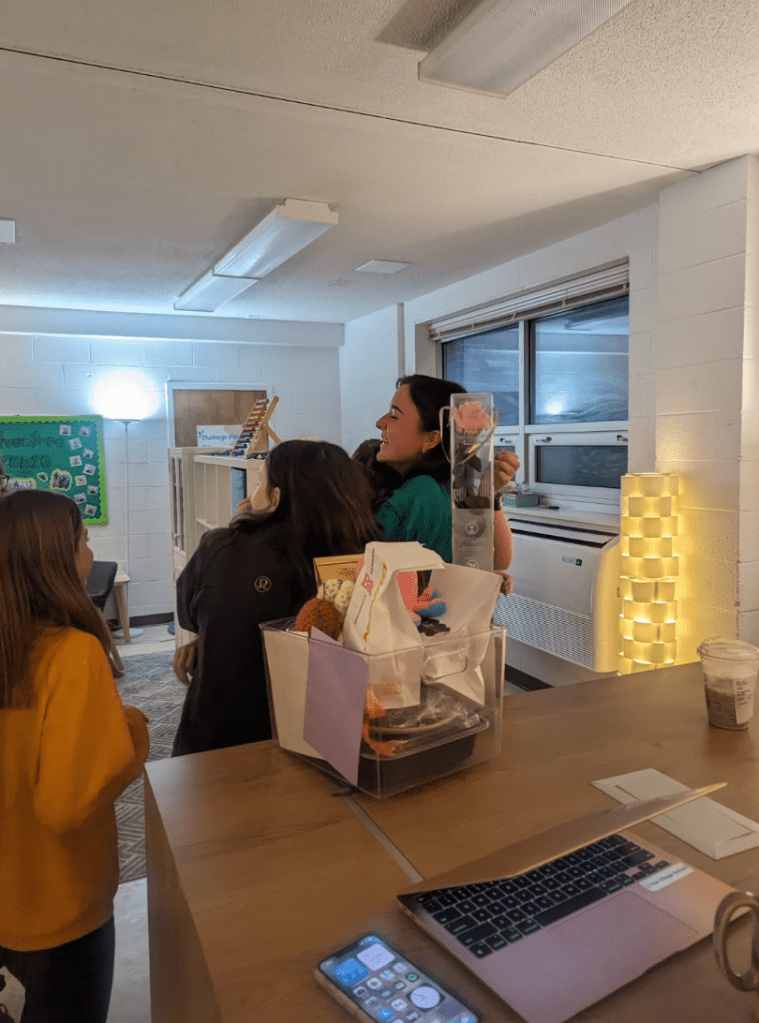
The next morning a group of Adventure learners approached me with another form of support – a bin full of goodies, from homemade cookies and brownies to a stuffed animal they made. Included was a card that read “I just want you to know we are here for you. Whether you need to talk to someone, you need someone to make you laugh, we are here!” 

At that moment, I thought to myself, “I can see the model working. I can really see how this school differs from every school I have been to and any place that I had worked before this.” I was blown away by the compassion and empathy the learners had.

When I shared this story with my friends and family, they responded “your middle schoolers did what??” followed by, “Oh Gosh, that would’ve never happened at the schools I went to.”

These are not the only stories of empathy at The Village School, but just one of many. 

I’ve also witnessed this sense of belonging and support many times since the beginning of the year. Recently the middle schoolers went on a three day camping trip. After a long day of hiking in the rain, the girls settled into their tent and realized that one of the learners’ sleeping bag was completely soaked through, and she was freezing. Without a thought, another learner rearranged their own set-up to make more room and dry space. What strikes me as so special about this moment and the other moments like it, is that the learners do the next right thing without asking for help, assistance, or guidance. They do the next right thing because it’s the right thing to do and they really do care about each other. 

These stories of empathy also include moments during work periods when learners notice a friend struggling to meet their goals. Just this week, a learner completed their pre-algebra badge and the entire studio erupted in cheers, acknowledging all the hard work that had led him to that point. This is evidence of a culture of care and collaboration, which is in contrast to the culture of competition that is the status quo in many schools.  

At The Village School we care about who the learners are, rather than what they know and these stories are just some examples of how a culture of belonging and support are enacted in our studios every day.  We lift eachother up when we are down. We help each other through the lows, and cheer for each other through the high. 

Our learners have the opportunity to cultivate close relationships with their guides and peers. Unlike traditional schools, where students frequently switch classes, here they work closely with guides across subjects. As guides, we strive to understand each learner individually, including their progress, passions, goals, needs, strengths, and learning style. This understanding extends beyond academics, allowing us to nurture a community that is empathetic, loving, and kind. We genuinely care about each learner, demonstrating to them that they belong and are valued in our community.