Session 3 “Sneak Peek”

Spark Studio

Imagine living in colonial times and the holidays not being so magical. This session, Spark learners will explore the different cultures of the past and take a look at the present through curious detective eyes. Learners will highlight the similarities and differences of the evolving world around them through hands-on activities. Learners will continue their continent of study for this session. Learners will hear more about South America through a guest talk that focuses on Colombia.

Learners will share in the fun with projects that feature snow, trees, and popcorn. Homemade crafts will be made by learners and given as a keepsake to each other. 

Learners will conclude the session by inspiring creativity through poetry and artwork that they will showcase in the studio at our Session 3 Exhibition.

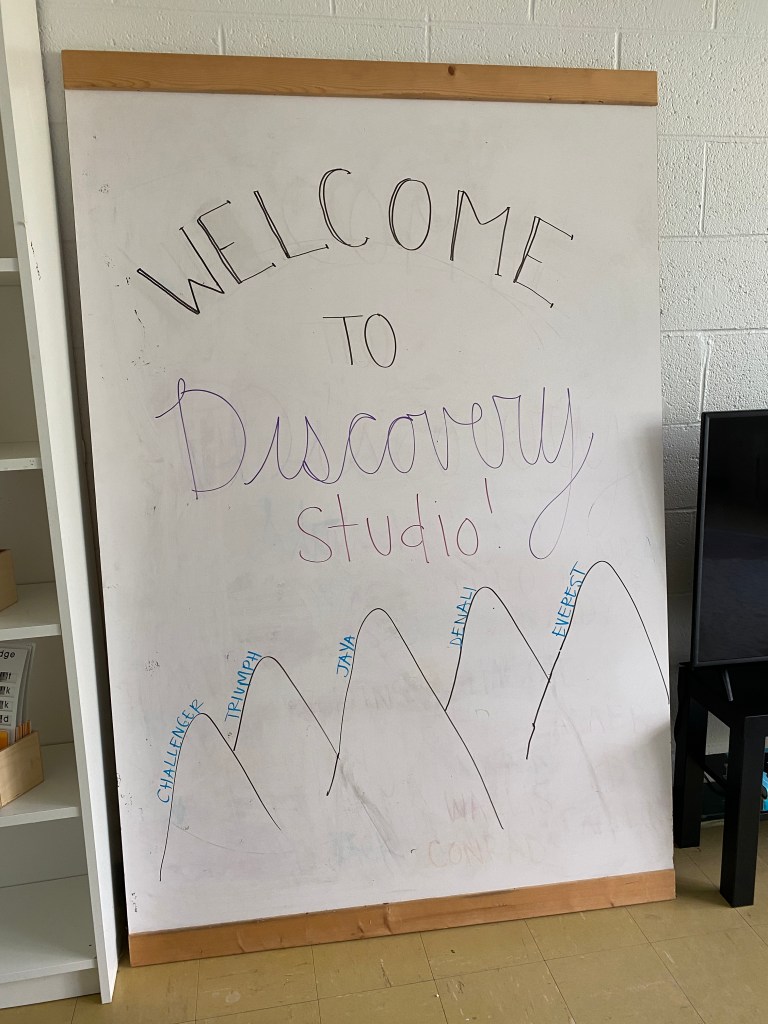
Discovery Studio

“We are not makers of history, we are made by history.” – Martin Luther King, Jr. 

This session Discovery learners will transport themselves through their imaginations to the Ancient Greek city of Athens. Their mission: to complete a series of hands-on challenges and activities that will help them learn as much as they can about life in Ancient Greece. Along the way, they’ll be exploring big questions such as: How important is it to understand how the past has influenced our lives? How does knowing the origin of things impact our understanding of the world? How can understanding the past impact the future? 

Learners will extend their study of Ancient Greece by diving into Greek Mythology. They will explore the role that myths, gods and storytelling had in ancient times and will be challenged to write their own myths during Writing Workshop this session. 

Learners will share what they have learned at our Session 3 exhibition- where guests will be invited to time travel back to an Ancient Greek village!


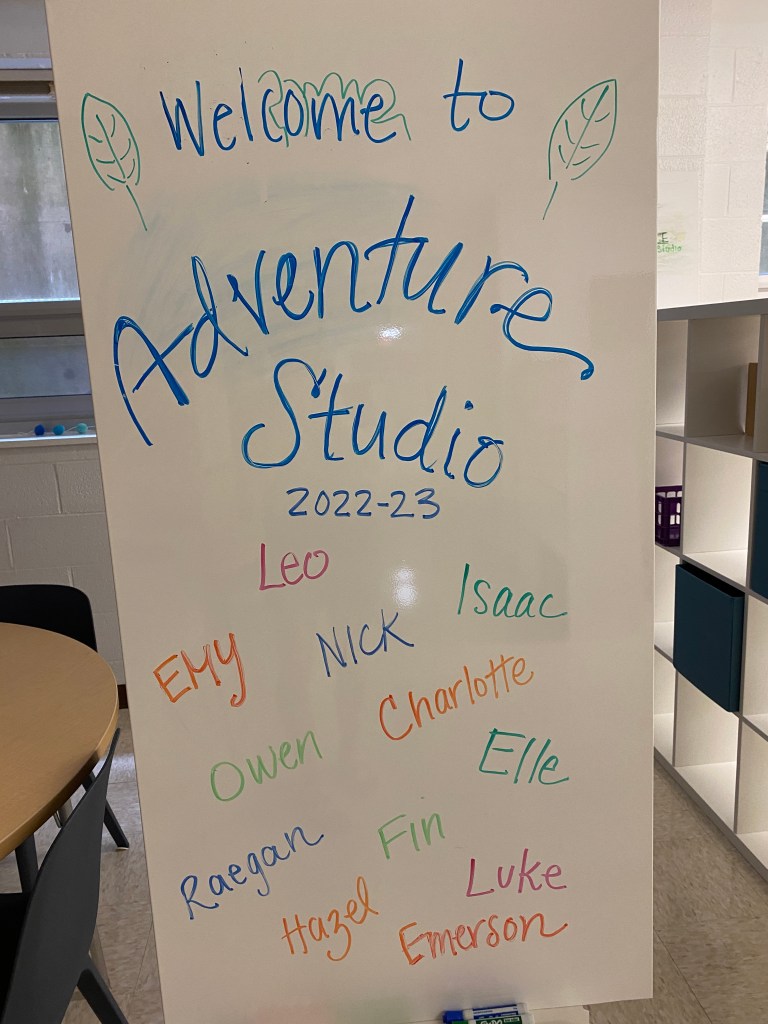
Adventure Studio

What does velcro, your pillow, and wind turbines all have in common? They were all inspired by nature! 

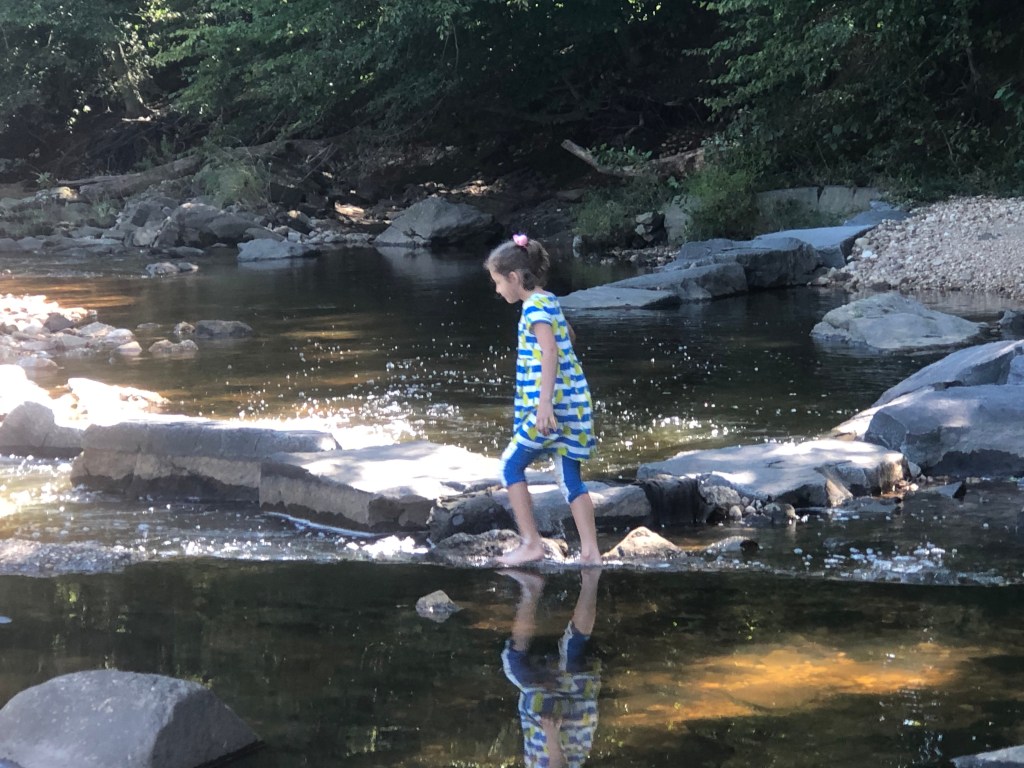
This session Adventure learners will take a deep dive into the field of Biomimicry to prepare for the Biomimicry Youth Challenge in Session 4. Biomimicry is the study and use of nature as inspiration to design sustainable solutions. Learners will spend time exploring the history of the field, understand how biomimicry presents itself in their everyday lives, and consider the role biomimicry might play in solutions to some of our world’s biggest sustainability challenges. Learners will take on the role of biologists by spending time in nature observing for close looking, determining new curiosities about our local ecosystems, and meeting with scientists in a Biomimicry Lab.   

Learners will also take on the role of Historian and Researcher through the Session 3 DIY Civilization Communications Challenge. Learners will have the opportunity to take a deep dive into one of the exciting topics that have been explored throughout Civilizations this year. Learners will share their research and Big Questions at the Session 3 Exhibition – come ready to be curious about big histories! 

Health and Wellness

One day or day one. It’s your decision.” – unknown

What does it mean to make healthy choices for yourself? What areas of health are going well for you? What would you like to improve?

This session, learners will be exploring what we have learned so far about mental, social, emotional, and physical health. The learners will identify an area of focus, one that they would like to dive deeper into reflecting on, and create a goal for our winter session break. 

Learners will also have an opportunity to create a product of their choice that illustrates or demonstrates the healthy choices they are proud of. 
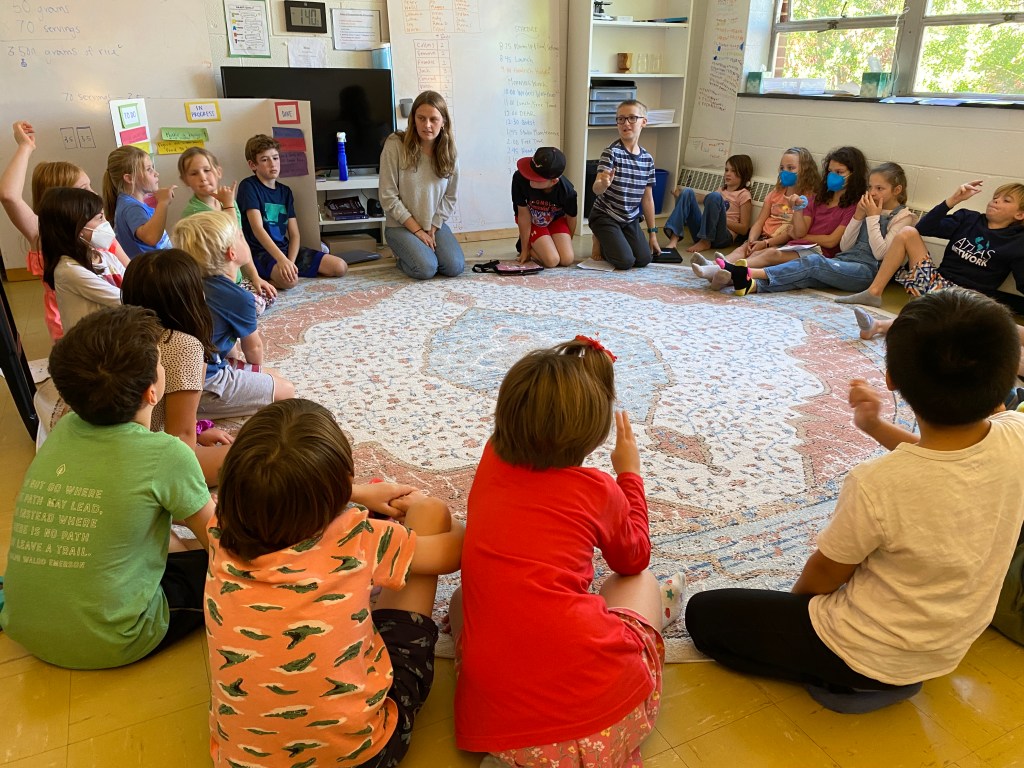
A Habit of Reflection

Reflection is a key part of our learning design at The Village School. We like to think of it as a habit, embedded into the daily, weekly, and session-long arcs of the school year, rather than an event- something that happens just once or twice a year at student-led conferences or at end-of-year passage presentations.

Daily, our learners have the experience of making choices about their learning. which includes setting their own goals from a menu of options and managing their time. At the end of the day, learners are asked to reflect on their day in the closing discussion. What went well? What didn’t go well? What might you do differently tomorrow?

Weekly, learners check in with guides for formal and informal guide meetings. In these meetings, guides will ask learners a range of questions. How are things going? How are you feeling about your learning? Are you on track to meet your goals? What are some ways you could get unstuck? What could you try instead? What areas (academic, social, etc.) do you need support?

Then at the end of a session, learners complete a written reflection on the experiences and challenges they’ve engaged in over the past 4-6 weeks. As they do this individually, they can draw from all of the practice they’ve had reflecting- as a whole group, in their weekly small groups or “Headrush Huddles” as we call them in Discovery Studio, one-on-one with a guide, and hopefully, through at-home conversations with a parent/guardian.

Through this habit of reflection, we are helping young people process their learning, make connections, and set next steps in a safe, low-stakes way. More importantly, it increases one’s confidence in the ability to achieve a goal (i.e., self-efficacy), which in turn translates into higher rates of learning.

As educational reformer, John Dewey famously said, “We do not learn from experience…we learn from reflecting on that experience.”

Session 2 “Sneak Peek”

Spark Studio

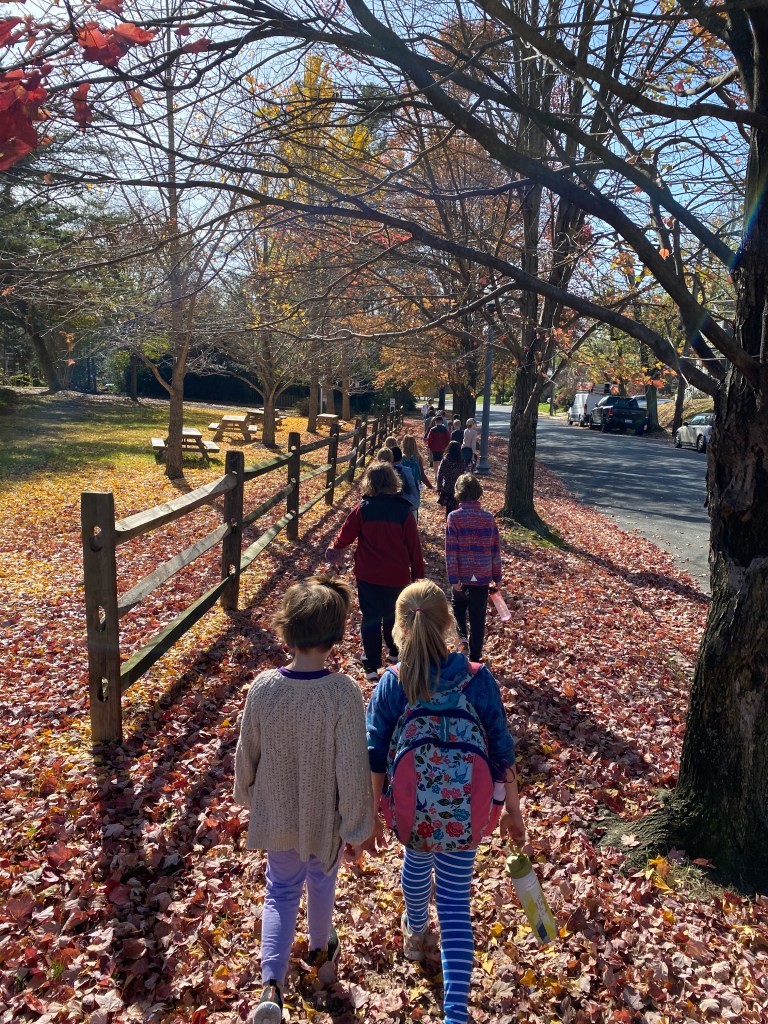
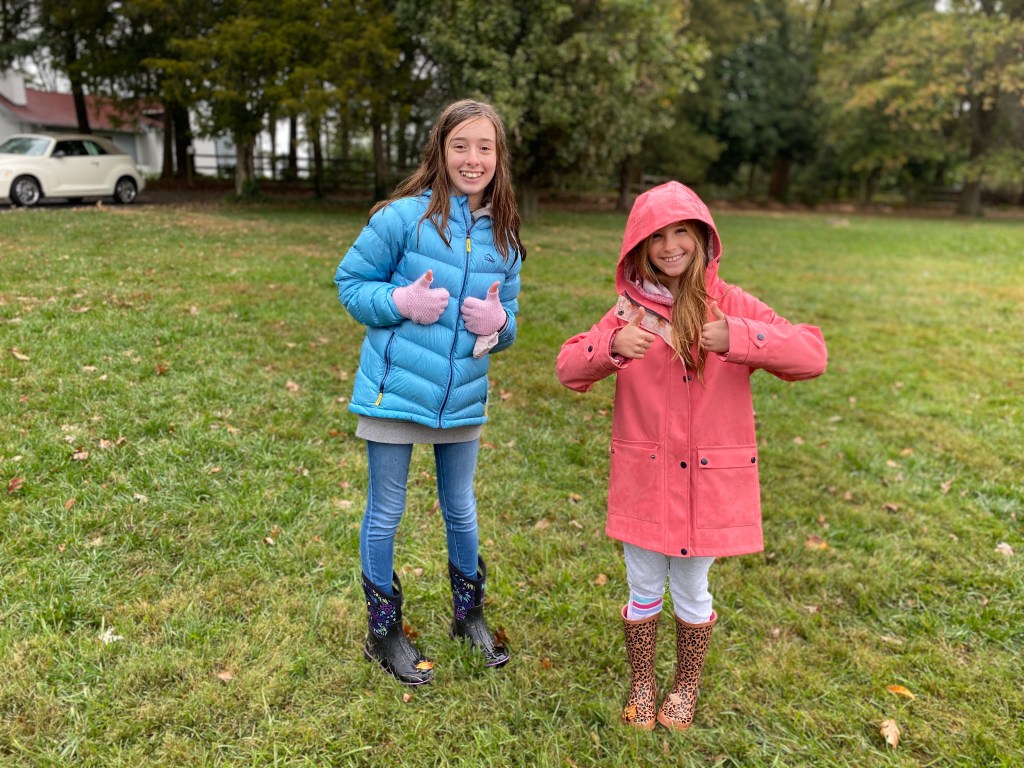
Spark learners will continue to learn about the cultures of North America and will delve into South America as well. We will immerse ourselves in the fall season, both indoors and out, with fall-themed lessons on the shelf and at Ms. Jenny’s. We will also start our field trips to the library and nearby Madison Manor Park. 

Do you know anyone who has lived in South America and can come in person or virtually to tell us about it? Can you teach us about something that happens in the Fall, perhaps related to farming, festivals, pumpkins, the weather, etc?

Learners will also explore and learn about different types of wildlife and bring their projects to life through collaboration.

Discovery Studio

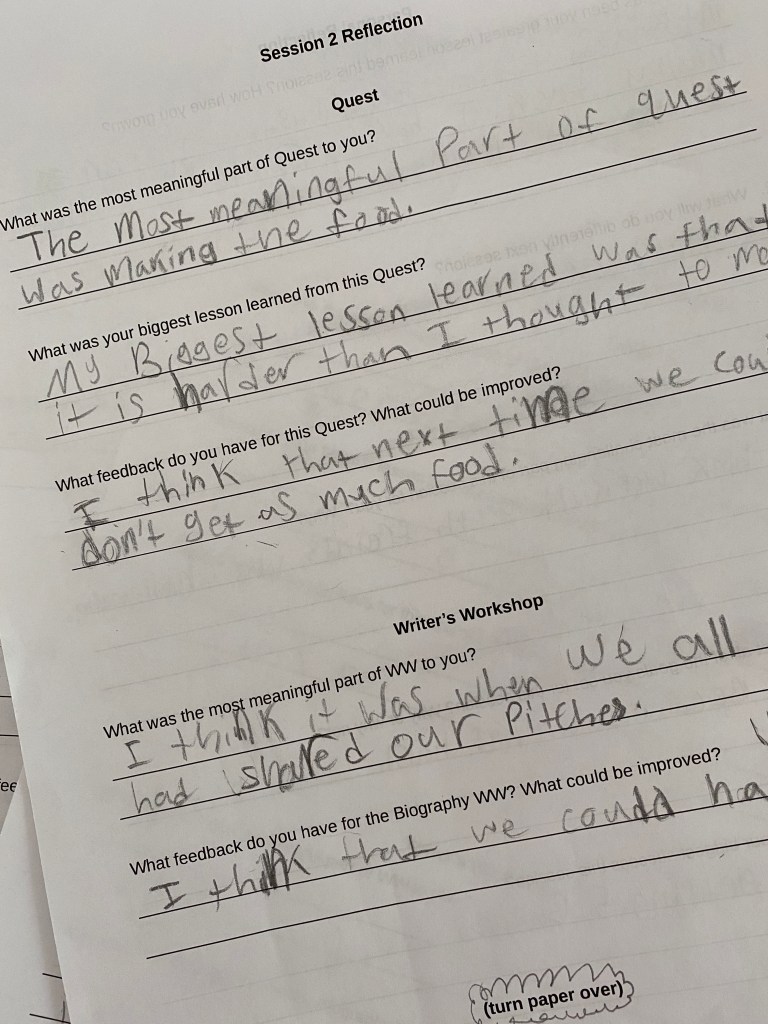
For this session’s Quest, Discovery learners will step into the shoes of event planners as they plan a community meal for the end of the session. We will explore what makes a gathering meaningful, meet with experts to learn about different aspects of event planning, and work together to research recipes (and allergies!) and identify quantities and costs of ingredients to develop an actionable plan for the meal. 

Discovery learners will work on their persuasive writing skills as they research and write a pitch for a possible field trip next session. After researching and writing a pitch, learners will present their pitches at the end of the session in hopes of convincing their studio mates to vote for their field trip idea. The pitch with the most votes will be our field trip for next session!

Adventure Studio

“Mo’ money, mo’ problems” – Biggie Smalls 

“The money you make will never buy back your soul” – Bob Dillon

“Money changes everything” – Cindy Lauper

“If I had a million dollars, well I’d buy you a house…” Barenaked Ladies

“I don’t need no money, fortune, or fame” The Temptations

Which quote reflects your beliefs about money? Is money the root of all evil, or can money buy happiness? This session learners will uncover what money means to them during the Money & Me Quest. By the end of the sessions learners will understand how to create and manage a monthly personal budget and they will have written a financial philosophy based on what they have learned. 

Learners will have the opportunity to hear from experts in the field of finance through Community Partner Talks and where they will learn about careers in finance and get feedback on their draft budgets, investment choices and personal philosophies. At the end of the session learners will exhibit their final budgets to a panel of personal finance advisors. 

Have money questions? Ask adventure learners for their expertise in a few weeks! 

Health and Wellness

“The best and most beautiful things in the world cannot be seen or even heard, but must be felt with the heart.” – Helen Keller

What relationships are the most important in your life? What makes them important? How do these special people make you feel? What are the key components of healthy relationships? How do these relationships affect our health? Our next session together will focus on healthy relationships.

Learners will also be exploring healthy conflict resolution strategies. Conflict resolution is a normal part of healthy relationships. How can we manage conflict? How can we approach conflict as an opportunity to grow in our relationships? 

We will also take time to explore the relationship that learners have with themselves. They will be challenged to reflect upon who they are and the value that each of them brings to our community. Every learner is an important part of their studio. Our learning environment is built upon the strengths that each of them share. Recognizing their strengths and value to our community will support their most important relationship, the one they have with themselves. 

What do you hope for?

What are my hopes and dreams for the year? What are our hopes and wishes for the studio? What do we promise to each other in order to make these dreams a reality?

These are the questions we start with in Discovery Studio this session. Over the past few weeks, learners have been doing the very important work of identifying the answers to these questions.

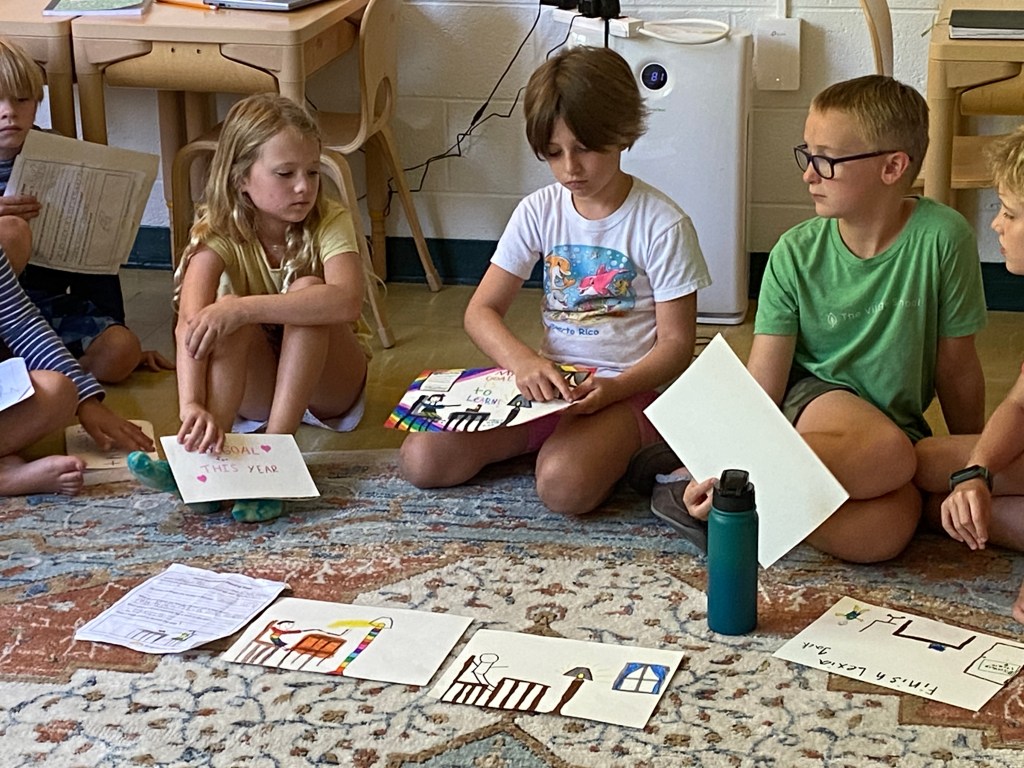
First, learners brainstormed some of their personal goals for the year. Some hopes learners shared were:

“I hope I master arithmetic.”

“I hope I get better at reading.”

“I hope I learn more about astronomy.”

“I hope I make new friends.”

A Discovery Learner shares the final draft of their Hopes and Dreams for the school year.

Then, learners were challenged to envision the ideal learning environment- one that would support them in accomplishing their biggest hopes for the year. Some of their ideas included:

“A place where everyone only speaks to each other with kindness, encouragement and truth.”

“A place where everyone is responsible for their actions and their learning.”

“A place that is clean, quiet, cozy, and well organized.”

“A place where everyone always respects and listens to each other.”

“A place where mistakes are accepted.”

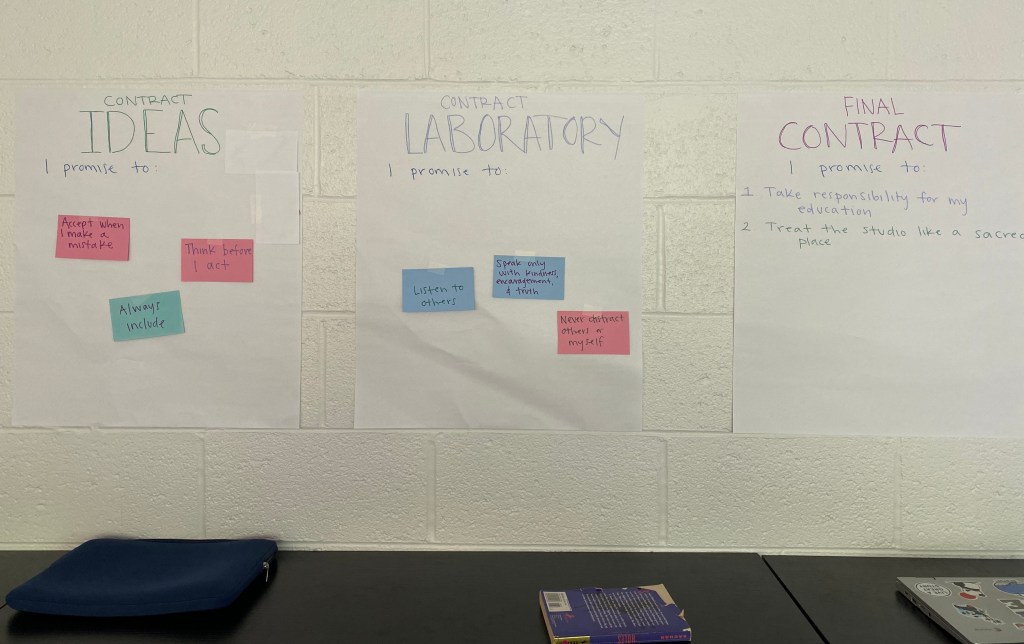
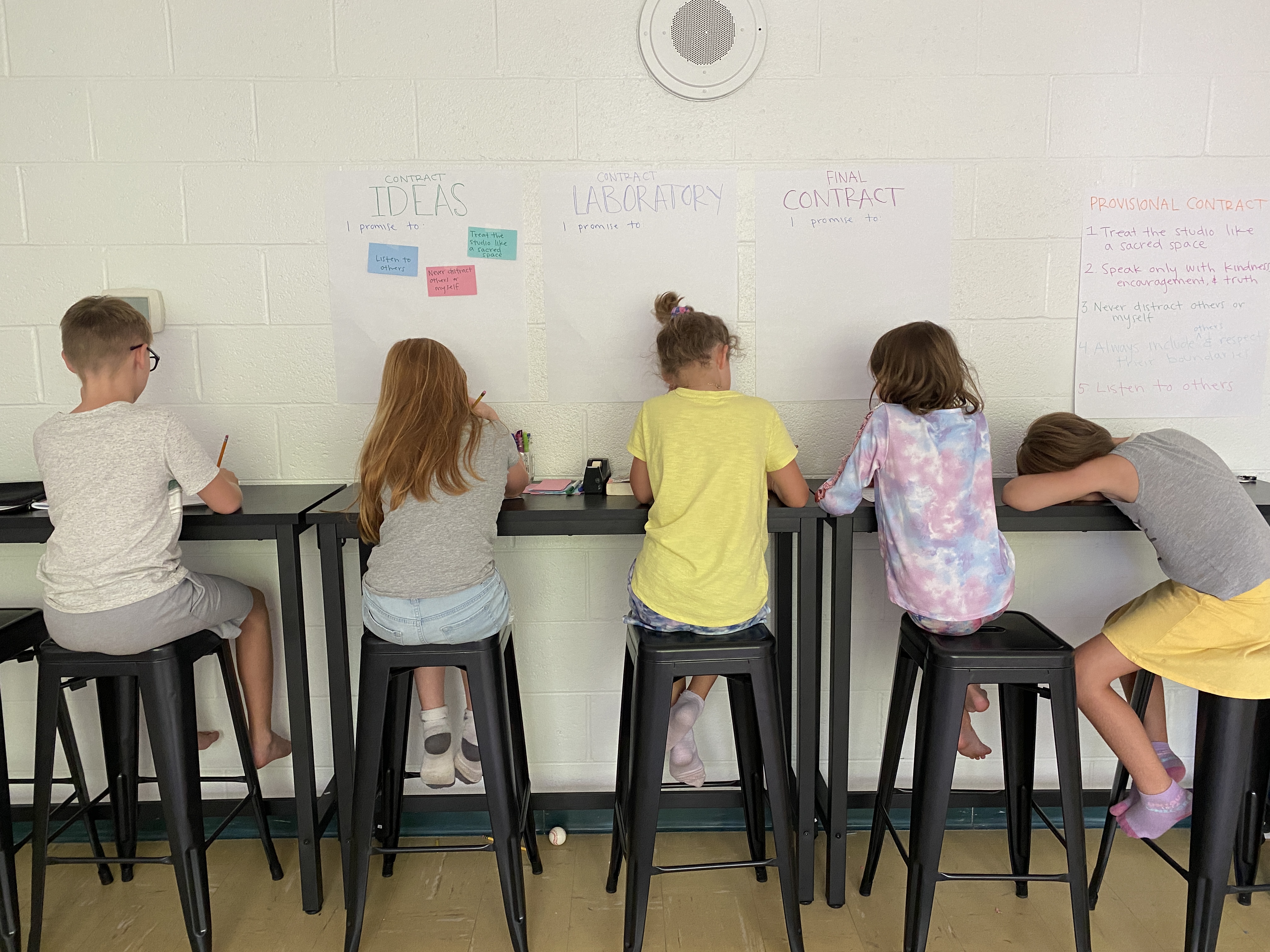
These ideas became the beginning of their studio contract. Each week, they get to pitch new ideas, try them out, and then vote on whether they are ready to add them to their studio contract. At the end of the session, they will sign the contract and use it as a reminder of their promises to each other throughout the year.

Ideas in the “Laboratory” are tried out for a week before learners can propose to move a promise to the final contract. So far, two promises have made it to the final contract!

But, as they say, a dream without a plan is no plan at all. The next question Discovery learners explored was- What systems and/or routines are needed to make our hopes and dreams for the year come to fruition?

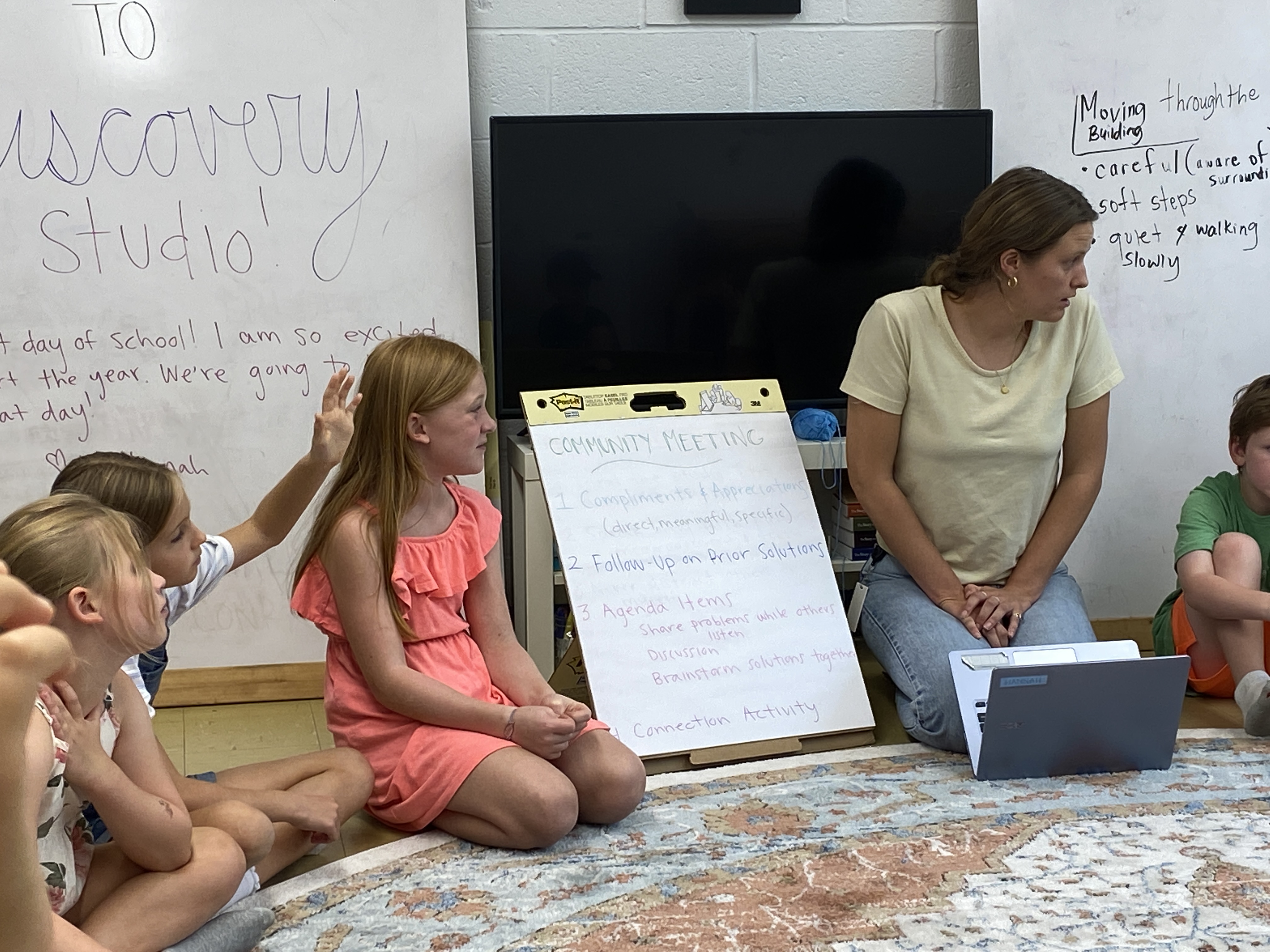
From here learners were introduced to the three most important systems and routines in Discovery Studio: Daily Goal Setting, Studio Maintenance, and Community Meeting.

These systems provide the structure for learners to be successful and for their big hopes and dreams, both for themselves and for their community, to become a reality!

So- What is it actually like to be a learner in Discovery Studio?

Well, you’ll just have to wait until the end-of-session exhibition to find out. Learners are excited to share all about the special place we call Discovery Studio!

New Year- Same Mission

When our youngest son was four, he loved the act of throwing rocks into the water, by carefully selecting a stone and watching the impact as it hit the water’s surface. He loved seeing the ripples, watching them circle the rock’s point of entry and move outwards, creating small waves in the surrounding water. He could do this for hours.

Now, at age 10, he could still do this for hours- though the task has changed from simply throwing rocks to skipping rocks.

It’s evident to me why he has always loved this so much- the act of throwing a rock into the water. In the sacred space, he is in charge. He chooses the rock, how much force to use, and what direction to throw it. He chooses the pace, how many rocks he throws in a certain period of time, and when to take a break. In the comings and goings of life, the prescriptive nature of childhood, and a largely adult-imposed agenda, my son is captivated by this space that allows him freedom and choice. He has agency over his experience.

When I think of this sweet memory, it always reminds me that is truly what we all want, children and adults alike. We all want the opportunity to impact the world in some way- to see the ripples, the effects of our actions, no matter how big or small the splash. We all want the chance to stand back proudly and think, “I did that.”

This is the magic of self-directed learning- of a learning environment where young people learn by doing and effectively have the chance to see the ripples of their choices and actions.

As we settle into new routines and rhythms this school year, we do so with our mission at the forefront- a mission to give young people agency in their learning so that they can discover what they can uniquely contribute to the world around them.

Every step of the way, they’ll be discovering how powerful they are, as individuals, and as a community. They’ll be making messes, celebrating successes, and constructing deep and meaningful learning.

Again and again, they’ll be making their own ripples in the water and standing back to think, “I did that.”

Session 1 “Sneak Peek”

Session 1 is all about building the” team” at The Village School. Learning to live together is an essential skill and creating an environment where every learner feels like they belong and have something to contribute provides the foundation for meaningful learning. Each studio will focus on building the team through games, discussions, and projects designed to foster their individual and collective identities and will explore the questions, “Who am I?” and “Who are we?”

Spark Studio

Welcome to Spark Studio! Spark learners will spend this session learning the routines of the studio and building a community. Each week, learners will explore different areas of the studio, sing songs, and learn about each other.  We will introduce materials at a slow pace so learners can turn routines into habits that will make learning fun all year. Our returning learners will lead our community every step of the way.

Discovery Studio

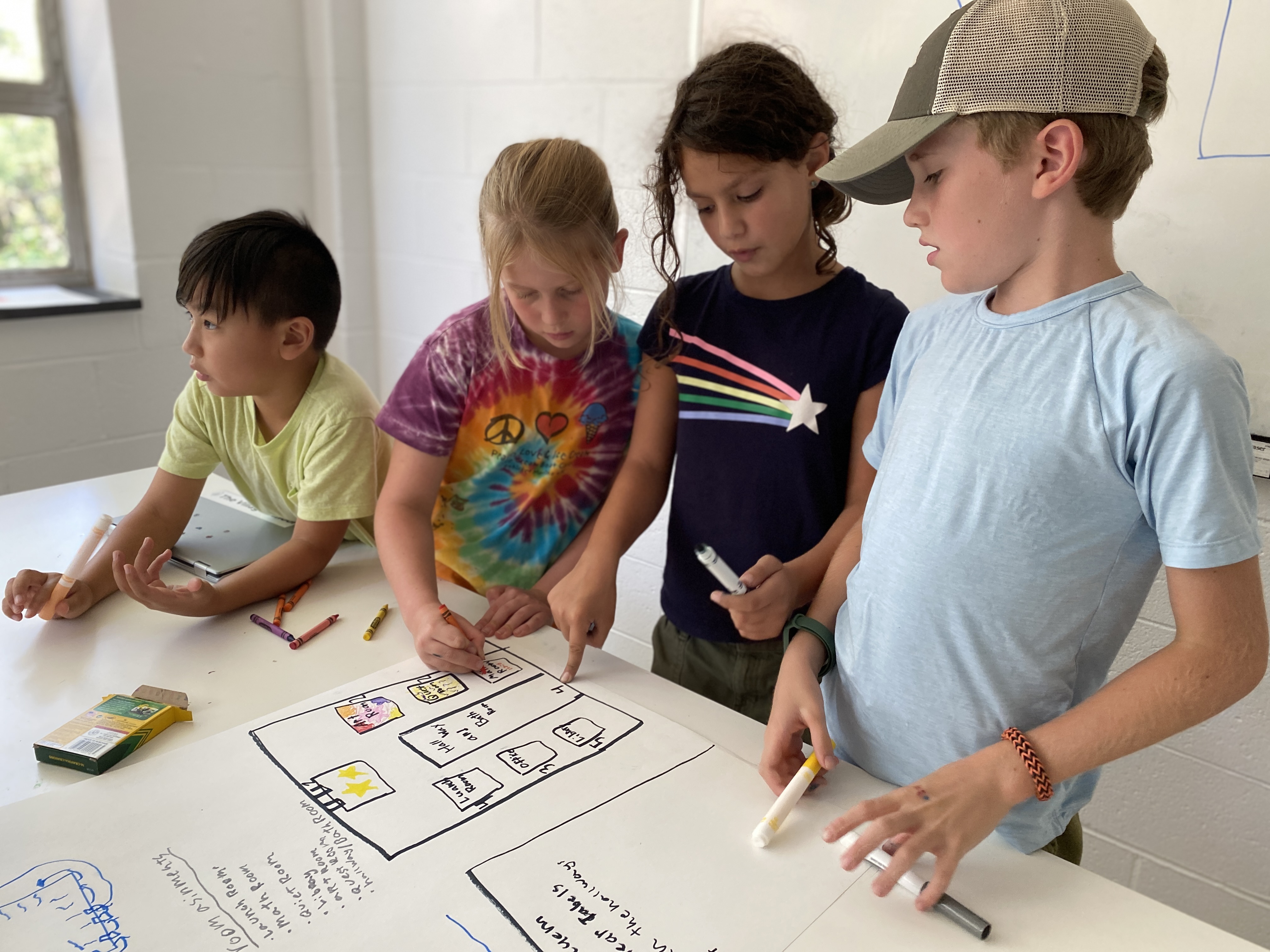
Discovery will kick off the school year with lots of teamwork and collaboration! For our Build the Team Quest, we will work together to develop our promises to one another and learn how we can best take care of our physical space and each other. We will be getting creative and growing as a team through art projects, maker activities, and more! During Writer’s Workshop, learners will take on the role of journalists, getting to know each other through interviews and writing biographies to share the stories of the learners who make up Discovery Studio with the community. 

Adventure Studio

Welcome to the Building a Team Challenge! This session is all about building a team and mapping a path for individual and collective Adventures. Each week the group will spend time working through a series of Building Challenges, requiring each learner to discover their own unique strengths and imagine how they might add value to their team. Adventure learners will welcome adults who are teammates in their professional lives into the studio to learn about how they have successfully – or not successfully – built a team.  

Learners will also work towards building their own individual beliefs. They will explore what has built the beliefs of others including world-class athletes, famous authors, and their fellow Adventurers. After brainstorming and reflecting, learners will explore one true belief that is important to their character. 

The time spent this session building the team will serve the Adventure Studio well as they take on more responsibility and leadership roles throughout the school community. As the leaders of the school, their collaboration will serve as inspiration for what is possible in a community like ours at The Village School.

Big Feelings

It is the end of the session. A time where we celebrate big achievements like work ethic and dedication throughout a session.

It is also the time when session-long projects are due. Learners can work at their own pace for much of their learning but every session, we do a big project together (Quest) and explore a writing genre together (Writer’s Workshop/Communications). These projects are due each session to help learners stay on track and be ready to tackle something new with their full focus and attention next session!

That means that learners can feel anxious or overwhelmed if they fall behind. It is important to them to catch up and earn this badge because they care about their education. They take responsibility for it.

So the next time that they (and inevitably you) are sitting with big end of session feelings, I hope you remember these two things:

  1.  Your learner’s feelings translate to “I care deeply about my learning.” “I want to do well.”

2.  This experience is a catalyst for learners. Time and time again, we see that it motivates them to try something new in the next session. They are proud of themselves when they stay on track and become masters of their procrastination.

And always, the stakes are low. It won’t feel like that to your learner but they can always try again. It is far better for them to experience the effects of procrastination now than in college or working a real job. They learn from these experiences, try again, and find success. Then they are that much more prepared for the future!

What’s Changed?

Every year at this time, I marvel at the transformations of the young people in front of me. Yes, they are all a little bit taller, more physically adept and coordinated. But what I’m referring to is the transformation in how they see themselves- as learners, as readers, as mathematicians, as explorers, as friends- as leaders of their own learning.

I wonder- do they see themselves the way I do? Do they have a clear understanding of how much they’ve grown? Certainly, I could tell them but do they know?

So, over the course of the past several days, I asked them, “What’s changed for you this year?”

Using the sentence frame, “I used to ___________, and now I __________,” this is what they said: 

“I used to think I was bad at math but now I think I’m good at it.”

“I used to not be as interested in discussions but now I really like them- especially Civilization discussions.” 

“I used to think I was bad at reading but now I know I’m good at it.”

“I used to not like school. It was boring but now I love school.” 

“I used to rely on a teacher to learn but now I rely on myself.” 

“I used to not have as much freedom in what I could read but now I do and because of that reading is not a chore and is fun.”

“I used to not have a lot of say in what I wanted to learn about and now I do and because of that I have learned a lot more- like history, life skills, and communicating well through writing.”

“I used to be afraid of asking questions but now I am not and I love asking questions and finding the answers myself.” 

“I used to ask only questions to grown-ups but now I ask my peers questions to help me learn.” 

“I used to be really shy around older people but now I have a lot more confidence to talk to people of all ages.” 

“I used to think that quest was hard and in my panic zone and now I think it’s in my challenge zone.” 

“I used to not be as encouraged to speak in front of people but now I am more comfortable.”

“I used to try and dress a certain way and now I wear what I want.”

“I used to think making forts was hard but now I know I can do it.” 

“I used to be scared to share what I believed or how I felt but now I am comfortable sharing what I believe is right or wrong and how I feel about things.”

“I used to not care about a lot of things but now I care about so many things.”

They know it’s not a test and there are no right or wrong answers. And so they share these things with me thoughtfully as they are skilled at reflecting on their learning by this point in the year.

They smile as they share, many of them reaffirming their words after speaking them. “Yes, that’s what’s changed for me,” and I smile back in gratitude for this gift.

Setting Boundaries

Earlier this school year, our eleven year old would come home every day and tell us he had so much school work to do. He’d eat a snack, do his chores and settle in with his lab top, notebook and pen. He’d work for hours, unless his self-assigned homework was cut short by sports practice or other family events. As I prepped dinner, I had come to expect the cheery “ping” in the background as he practiced and mastered math problems on Khan Academy, followed by an enthusiastic, “YES!” when he got a problem right. Often, I’d see him collaborating with peers via Google Chat or Video, reviewing each other’s work or working on challenges together. From my vantage point, he was definitely taking responsibility for his education.

At first I was impressed- my middle schooler is choosing to learn and do school work with zero prompting from me? Isn’t this every parent’s dream? Until one day, I realized we had a problem. His school work was cutting into our family time. Walks with the dog, family dinners, and leisure and play time with friends and neighbors were met with resistance or outbursts of overwhelm. Day to day, our family schedule was not reflecting our values of rest, fun, and connection and our son’s life seemed significantly out of balance. It was time to redraw the boundaries so we were making time for the things that were really important to us as a family.

So I set a limit on “home” work. He could do no more than one hour of work and all devices were powered down by 8:00pm. When I heard “but I won’t be able to get everything done!”, I was prepared.

“Hmm, tell me about that. Tell me about your school day and how you’re using your time,” I said.

We sat down and looked at Journey Tracker together. He walked me through his day. We clicked on the challenges, looking at the requirements and expectations together. We explored how much time different things were taking and after we did this, his panic subsided, and he said, “I guess I do have enough time to complete my work at school. I just need to use it better.”

After that, things changed. Knowing that he had a limit on the amount of time he could work at home, he started using his time more efficiently at school. Some things got done and some things did not. This is still the case. But he knows what the boundaries are and can make his choices inside those parameters.

In many ways, our son is stumbling his way towards prioritizing the things most important to him- not unlike the way many of us do as adults. There’s always more to do. There are a million different ways to fill a day. But how to fill it in a way that reflects your values? It’s a process and we’re learning together.

From my perspective, I see him learning all of the things I want him to- learning to learn, learning to do, learning to be and learning to live together.

What if…?

Taking the leap to self-directed learning is far less “direct” than many of us think. For most of us, at some point in our journeys, especially if we are new to this model, we’ll find ourselves asking a series of “What if” questions.

What if my child fails?

What if my child doesn’t learn this way?

What if they fall behind?

What if my child needs a teacher?

These questions can plague us with uncertainty. They can make us doubt ourselves and our decision to choose something different for our children. They can make us wonder if we’re really cut out for blazing new trails.

So what do we do when we find ourselves in a loop of “What-ifs”? While I don’t pretend to have all the answers, I can share what works for me in this situation.

  1. Take inventory. What’s at the root of my anxiety? What else is happening in my life that’s making me reach for greater control in other areas? In what ways is this more about me than my child?
  2. Check my beliefs. What do I really believe is true about how children learn? How much of the way I’m feeling has to do with the ways in which I’ve been conditioned?
  3. Entertain the answers. It’s not surprising that one of the best ways to eliminate or lessen our anxiety across all areas of life is to actually travel down the road of answering your “what if” questions. More often than not, the actual answer is far less scary than the one we’ve imagined in our head.

Let’s give this last one a try.

What if my child fails or falls behind?

Possible answer: He will. He will get distracted and not do the work to earn the badge. He will fall “behind” on his badge plan. He will need to work harder to complete it “on time” or he will need to take additional time to reach his goal. I’m feeling anxious about this because somewhere along the line I adopted the belief that being behind or taking more time to do something is “bad”. I could only earn the approval of others by staying on track, taking little time, and being efficient. But, I believe that children learn best through trial and error and with time to reflect on their experiences. He is learning, every step of the way, even if I can’t see it yet. After many “at-bats”, he will learn. I’m forgetting that learning objectives and associated timelines are just guidelines, not hard and fast rules. More important than earning any particular badge, he will have a deep understanding of how his actions, habits, and mindset are tied to outcomes.

What if my child doesn’t learn this way?

Possible answer: What do I mean by “this” way? It’s true, my child is unique and learns differently than others. I’m feeling anxious about this because it seems like others “get it” and my child doesn’t. Also, my child’s sibling is very motivated and self-directed. I’m struggling because I was conditioned to believe there was a “right” way and a “wrong” way of doing things in school. I was identified as a good student only if I did things the “right” way (the same way as everyone else). But, I believe that each child has a jagged learning profile. My child gets to use trial and error in a self-directed learning environment to figure out how he/she learns best.

What if my child needs a teacher?

Possible answer: She will. He does. We all benefit from teachers when we’re motivated to learn. I’m feeling anxious because my child doesn’t seem to be making progress in _____ (reading, math, etc) and I think it’s because he/she doesn’t have a teacher explaining it to him/her. I’m struggling because I was conditioned to believe that learning happens within the context of schooling (a classroom, a teacher, lessons). But, I believe that my child is a natural learner and optimal learning occurs when my child can choose the person they want to learn from. My child can find a “teacher” in their peers, a book, a virtual instructor, and can access a trusted adult (a guide) to point them in the right direction or problem-solve when they get stuck. Like all things (with or without a traditional teacher) some things will be harder to learn than others. More important than acquiring any particular content knowledge, my child will have the life-long skill of learning whatever he/she wants, whenever he/she wants.

Generally, if I start asking these types of questions and then take inventory of what’s going on in my life, I find that some area feels really hard at the moment and I just want the learning/school stuff to be easy- as if the universe owes it to me to provide this divine balance. But, when I take a moment to check in with my beliefs, about what I know about children and how they learn, I can let those “what if” questions fade into the background, brushing them off as simple ghosts from the past, visiting not because something’s wrong, but because old habits and ways of thinking linger way past their expiration date.

It brings another question to mind. What if our children can learn better habits and ways of thinking?

New trails, here I come.