Overview: Session 3 Week 1

After a restful Thanksgiving break, the Elementary Studio jumped right back into Session 3: our 3 week sprint! The overarching question this session, “How do people in different communities use their voices?”

The Heroes will explore this question by traveling the world in the Cartography Quest. To break it down, there are 3 parts to this Quest: voyages, the World Fact Book, and a hand-drawn map. 

  • Weekly, the Heroes will go on a “voyage” where they explore a specific topic (like longitude and latitude)
  • Daily, the studio will travel to a new continent and Heroes will explore 1 country in-depth (completing a World Fact Book page for that country)
  • As a continuous project throughout the session, the Heroes will draw a map of a continent by hand
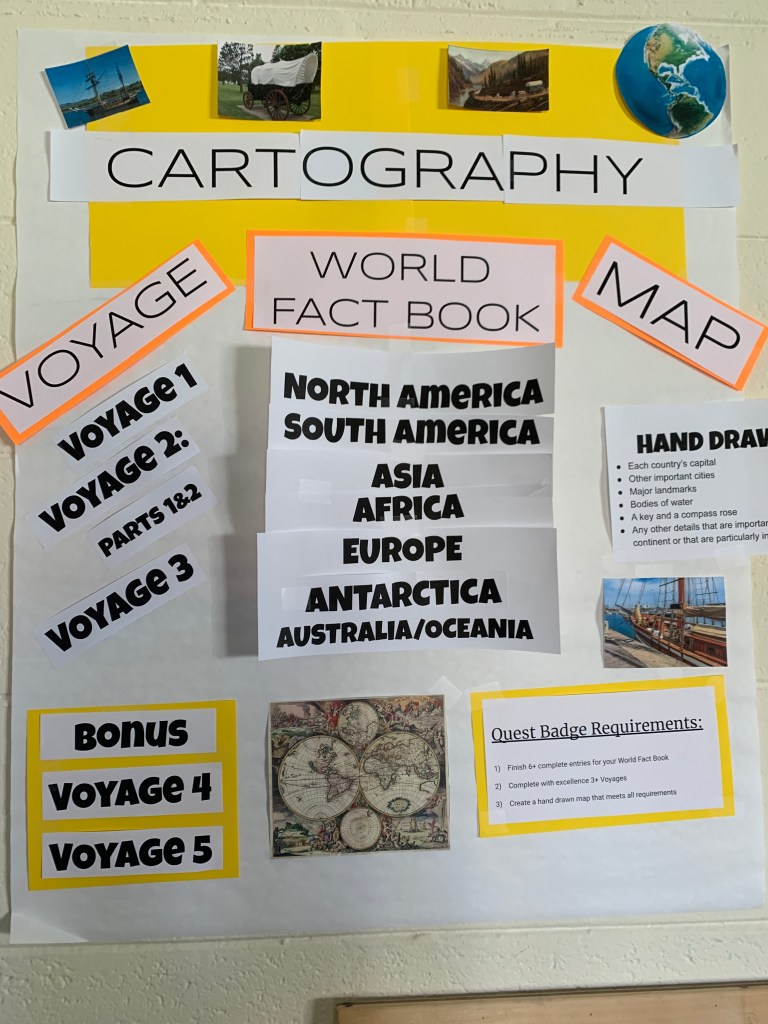
All of their work culminates in a trip to a secret final destination!

Should we have a pet in the studio? In Writer’s Workshop, the Heroes will choose a pet, conduct research, and then write a persuasive pitch. Their goal is to convince the community to choose their pet. 

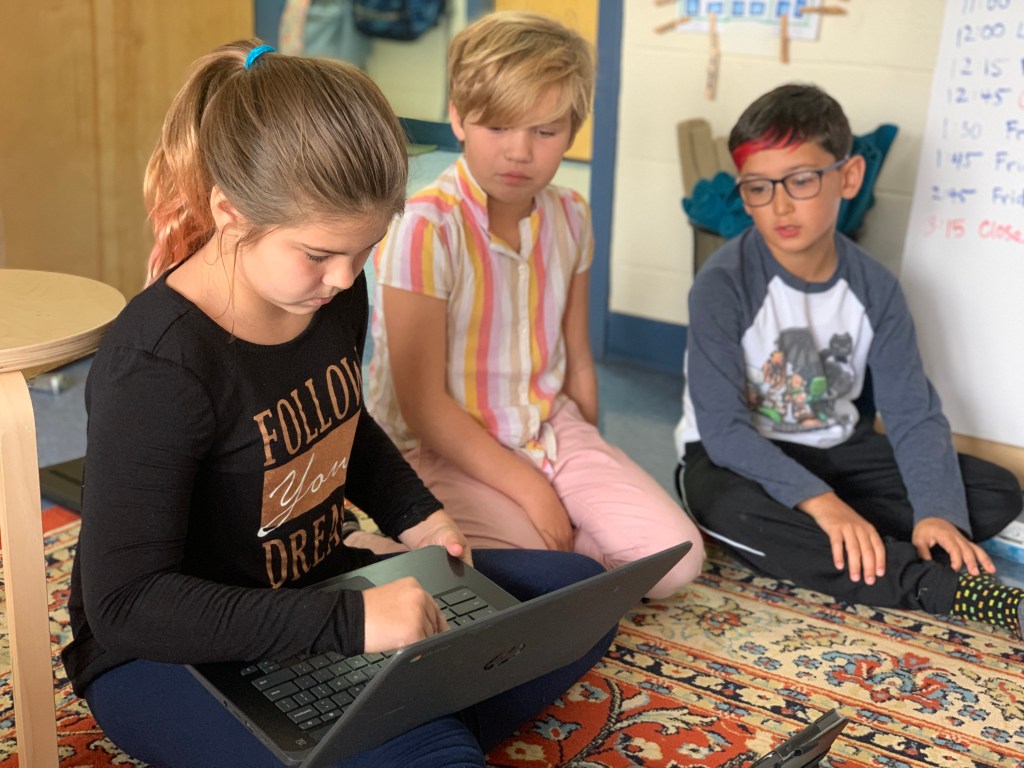
Resources include books and online sources

This Writer’s Workshop is a Hero-driven workshop in that, each Hero will be responsible for developing a timeline to complete the work: research, outlining, drafting, revising, and practicing the pitch. This is a great opportunity to build time management and organizational skills, but even more importantly, it empowers the Heroes to truly own their writing!
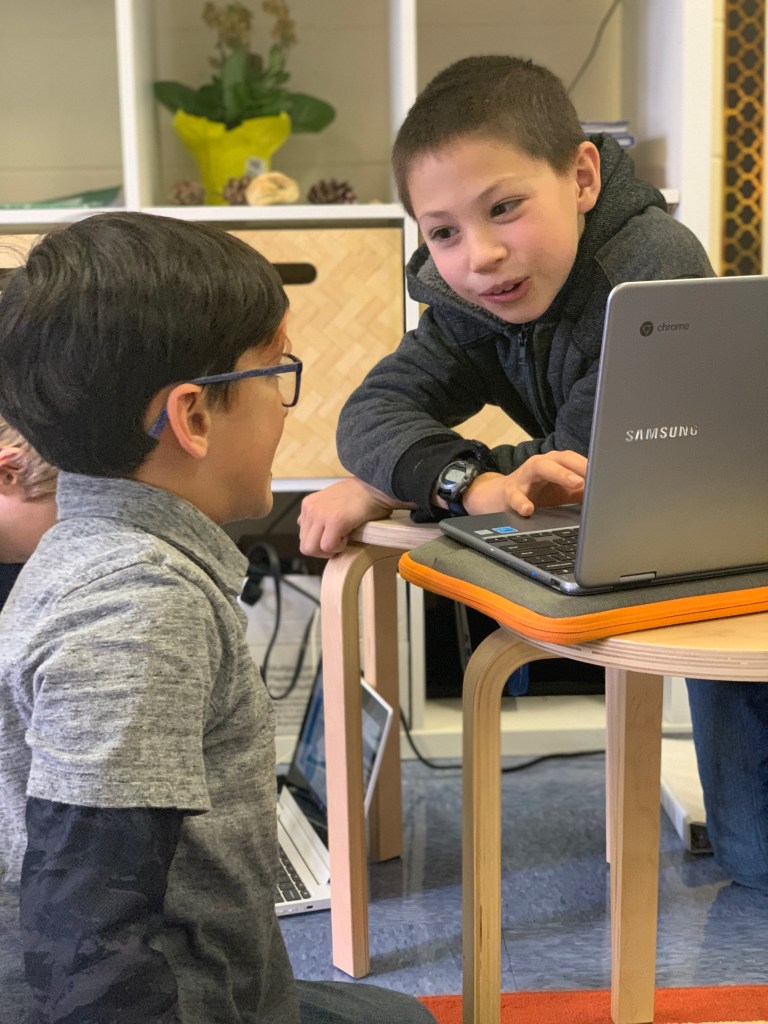
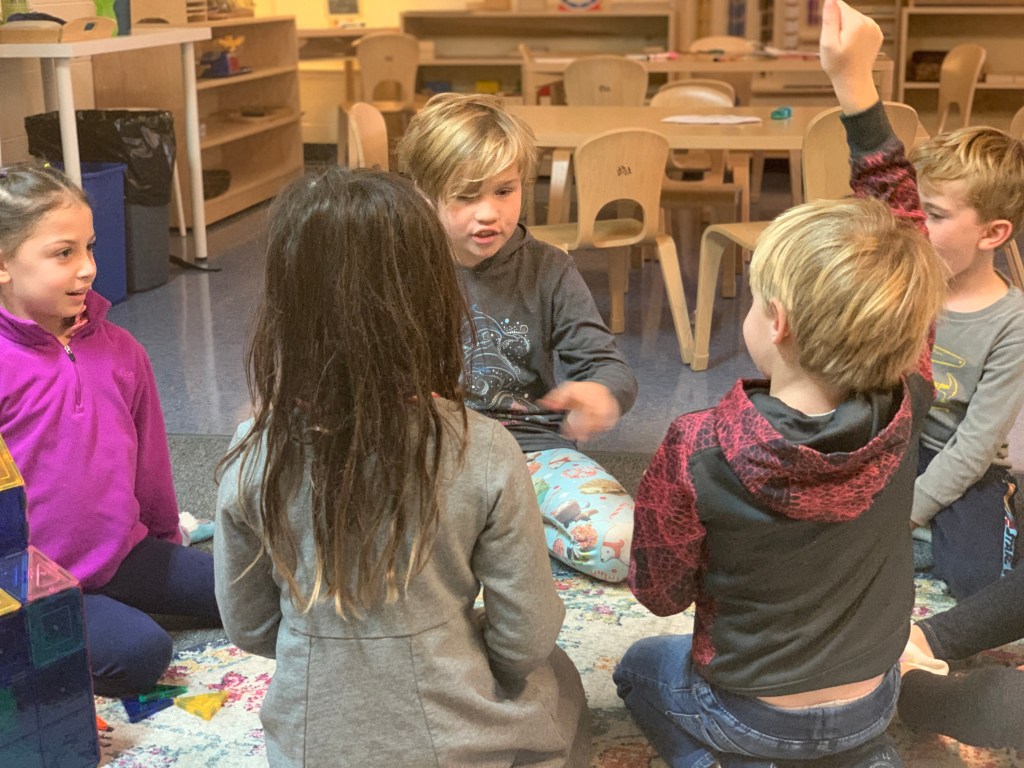
Collaboration is key

In Civilization, the Heroes are playing “Take Over the Nations!”, a new game that follows the Story of the World. Each Squad is in charge of a country and will have to make strategic decisions for their country. There are helpful hints in the history each week.

Cursive is a Level 2 Badge

How do you perceive color? Ms. Jeneen, our Art Guide, led a launch on this topic. She introduced the Heroes to ideas like color can express feelings and why primary and secondary colors co-exist. They also saw a world class example in Joseph Albers work where he extracted pigments from objects and turned them into abstract art. Throughout the session, the Heroes’ challenge is to experiment with color!
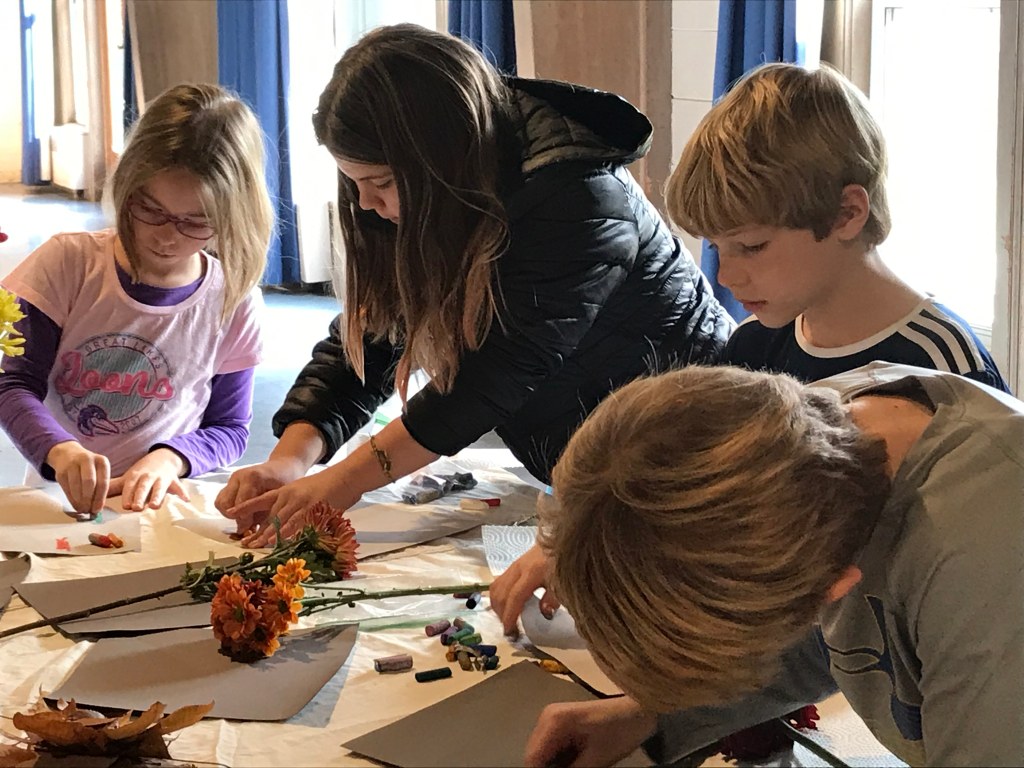
Using pastels to blend

All in all, it will be a busy session. And we haven’t even got to our character trait of the session (kindness) and the community service projects the Heroes are devising in Project Good! Look for more on that next week.
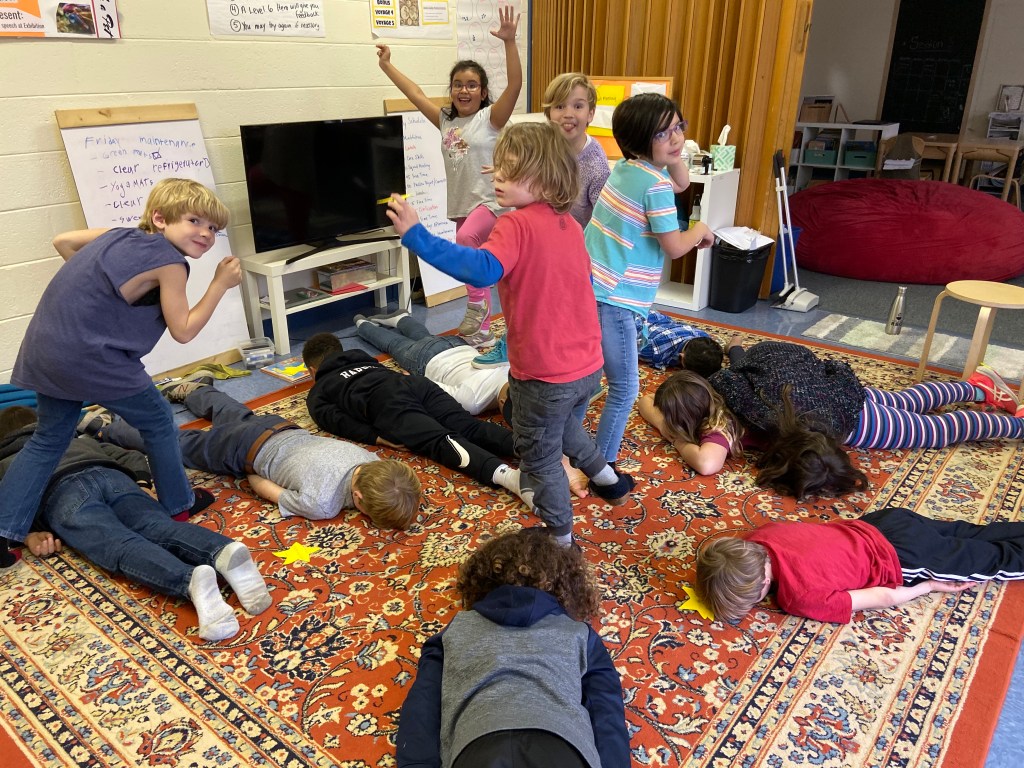
Our Friday Freeze Frame: lots of people were sleeping. Something that doesn’t happen in ES!

From “I’m Great” to “We’re Great”

According to research, every truly great organization exhibits a range of “We’re great” language and behavior. The same is true of championship winning teams and powerful social movements. “I’m great” thinking might allow for a top producer or a star player, but it will not create the impact of a group of people who understand that their collective efforts are far more powerful than anything they can do alone.

Don’t get me wrong- it’s not a bad thing to have a healthy dose of self-esteem and a set of skills that allow us to reach our goals. It’s just not where we want to stay- at least, not if we want to do something truly great.

Reaching this next level of success requires a noble mission, a common identity, and shared values. Harry Potter, Hermione, and Ron were on a mission to save the world from Voldemort. They were wizards/witches who valued friendship, courage, and love. The 1980 U.S.A. Olympic Hockey Team was on a mission to defeat Russia. They were American athletes who valued hard work, humility, and innovation. (Put the movie “Miracle” on your family movie night agenda if you haven’t already done so.) Our learners at The Village School are on a mission to discover their gifts and talents so they can use them to change the world. They are heroes who value honesty, passion, and grit.

None of these are solitary adventures. If we want to change the world- in whatever form, we need others on the journey. The “others” in our midst reinforce the shared mission, identity and values that allow us to harness the power of a “We’re great” culture.

As parents, we can do a variety of things to help our children move from “I’m great” to “We’re great” thinking.

  1. Give yourself an honest self-assessment. Does your language include “I” more often than “we”? Do you talk about others strengths in relation to your own? (For example, our boys have a very good understanding of how our strengths as parents are different and how they compliment each other and make our family unit stronger).
  2. Encourage your child to form relationships with other children that have overlapping interests and could result in a common goal. Partnerships are good- Triads are better. (Common goals could include building a fort, making a song, or forming a “club”).
  3. Speak often about your own personal role models, highlighting the specific language and behavior that you admire.
  4. When your child complains about the behavior of others, reiterate your belief that we all have something to contribute. Re-frame the conversation by asking what their peer’s strengths or interests are and encourage your child to invite this peer to contribute in some way. (For example, “I noticed you have really nice handwriting, would you like to write the title on the poster?”)
  5. Tell, read, or watch stories that focus on people making the transition from “I’m great” to “We’re great” thinking and behavior. Reflect on them together. (Do you remember the moment you realized you couldn’t do it all on your own? Tell THAT story.)
  6. Give growth mindset praise every time you see your child working collaboratively and help him/her notice what he/she was able to able to accomplish by working as a team.

Yes, we want our young learners to be confident, capable and self-directed. But more importantly, we want them to learn that the highest level of success is discovered as a team.

Welcome back! Session 3

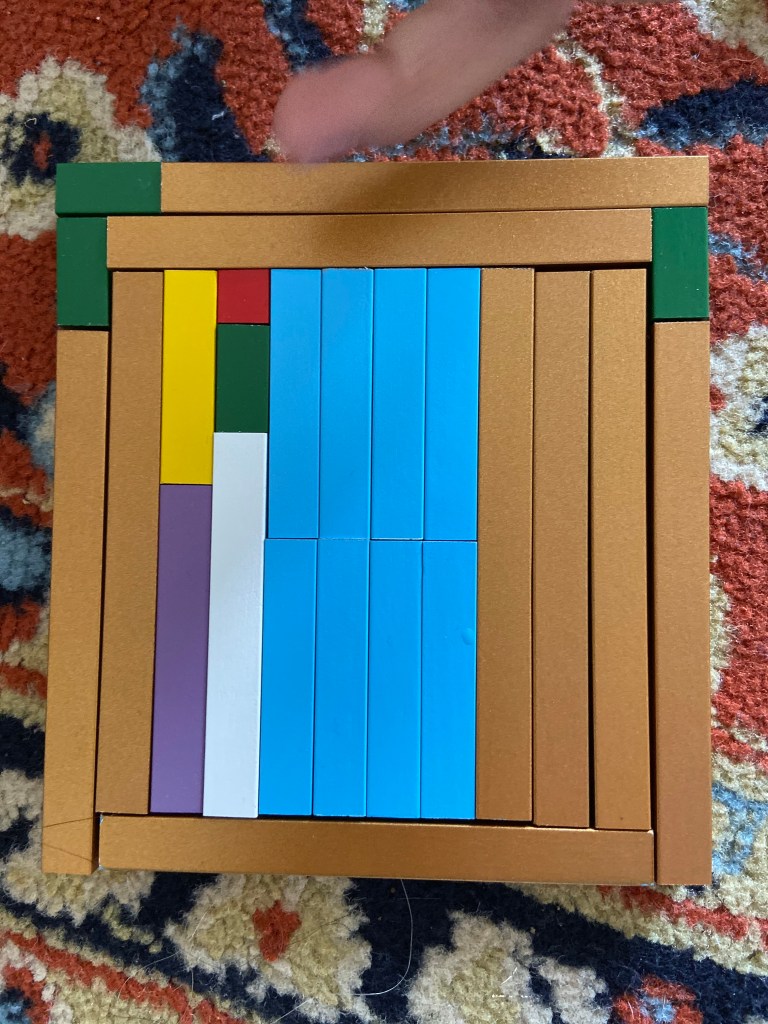
Welcome to Session 3! We hope that you enjoyed Thanksgiving Break. It is often a good time to relax and take a brain break. But our Wonder Heroes have been staying sharp. It’s only Day 3 and they are already back to solving complex math problems.

In the shape below, one red square is equivalent to 10. How big is the shape?

Can you figure it out? Answer below!

This problem was designed by 2 Wonder Heroes

The answer- 1,560.

Look for our Week in Review on Friday for more stories from the start of Session 3!

Grit: Session 2 Week 4

In each session at The Village School there is a character trait that has been chosen to focus on. In session 2 heroes hear stories of grit and perseverance as they work on developing this on their own. Grit, like all other aspects of character can change, especially when a hero has a growth mindset. For one to build grit they must first have interest. This is the intrinsic desire to learn and grow. Our heroes demonstrate this with excitement for new math inquiry centers, as they discover new colors while mixing watercolor paints or as they observe a particularly large and hairy spider. Being a guide means that sometimes you need to capture the spider so that everyone can have a closer look, but that you also ask the Socratic questions about what a spider’s life would be like in our studio, as opposed to back out in nature.

Grit also requires practice. This looks like setting a goal, focusing on it, getting feedback on your progress, and reflecting as necessary. This week our heroes starting a new practice of setting goals choosing work that is balanced and challenging for them. We talk about the goals and they even have opportunity for feedback from peers.

Reflection is also something that helps build grit and resiliency. This often happens in our launches and closing and I continue to be surprised by the level of high thinking in these reflective moments. While discussing challenges, heroes hear about and how we experience something called the dip, where we can feel like giving up. While examples are given about more academic challenges like spelling a tough word or physical ones like climbing the tree limbs, a poignant story is shared about a struggle between friends. The hero recalled that they were in the dip and feeling so low because they just couldn’t seem to compromise. ” I know I was in the dip because I was forgetting to be kind”. The other heroes heard and saw as one of their fellow travelers took responsibility. The hero shared some ideas that they might try next time a problem like this arises. Others joined in and shared thoughts, because in our community of learners every mistake is an opportunity to grow and do better.

How does a Hero use their voice? Session 2: Week 4

Our overarching question of the year is “How does a hero use their voice?” In the spirit of entrepreneurship, the focus question for this session is “Does risk change how I use my voice?”

Though we haven’t talked about it explicitly, the Heroes have been answering this question all session. They explore this question every day in every area (even baseball!) but especially in this Build a Business Quest where cooperation and collaboration are trademarks. 

Team Snap Crackle Popado making tough business decisions

Every afternoon post-Quest, we talk about went well and what could be improved. Here are some reflections heard in Quest Debrief this week:

“I think we did great today.”

“There was some confusion but we figured it out.”

“I think we could have gotten more work done if we weren’t arguing.” Followed up with group discussion and then a suggestion from a Fellow Traveler, “Maybe you could make a list of what is and is not distracting?”

“We got to Challenge 2!”

Team Remercy selling in the First Hot Chocolate Stand-off

The spoken word can be so powerful as we discussed in Thursday’s launch. I asked a Hero to act out scenarios with me and in each scenario, the Heroes evaluated if I was following the contract. Did I treat the other person how they wanted to be treated? Were the words spoken with kindness? Among many things, the Heroes brought up tone and using “please”. Even if a Fellow Traveler isn’t treating you the way that you want to be treated, you can give feedback while still treating them kindly.

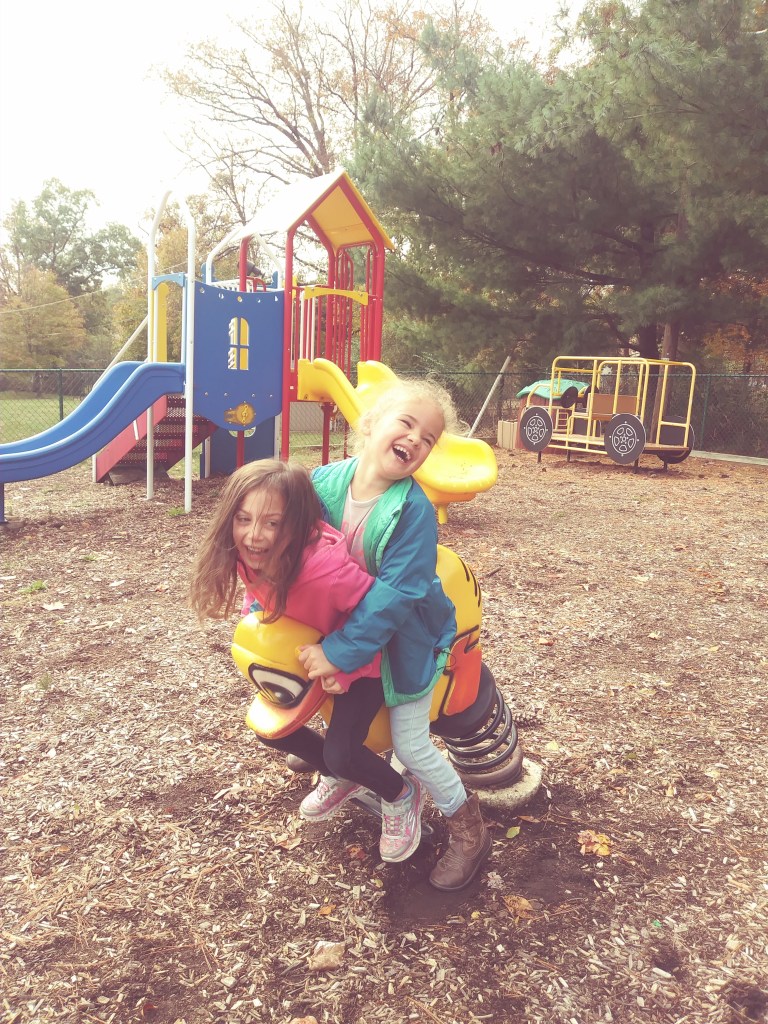
Lunchtime giggles

Town Hall Meeting is an important part of our week: it gives the Heroes to speak up and solve challenges they see in the studio. This week, a Hero brought up participation in PE. There was a group discussion and then the Hero led a vote. The problem was solved and the community moved on.

Our Community is flexible

Whether Heroes are vocal in Town Hall Meeting or quietly set the example during Core Skills, every Hero has the power to assert that their needs are important and valued in this community. That is a special thing. Though it seems scary to give children the freedom to support one another and hold each other accountable, as always, I’m reassured by the Heroes.

This Hero explains it best, “Tell our parents, don’t worry! I’m happy here. I’m learning.”

Onward to more adventure and learning!


Clear is Kind

By Lauren Quinn, Co-Founder & Head of School

Clear is kind. Unclear is unkind.

I first heard this simple yet profound statement through reading Brene Brown’s work. Through her research, she found the single most detrimental factor to an organization’s culture is when group members are unclear with each other- characterized by avoiding tough conversations and giving honest feedback.

This year, our Heroes are exploring various ways they can use their voice. It is my greatest hope that they can use them clearly and kindly.

Of course, in a learner-driven community, opportunities to be clear about our feelings, our needs, and our desires abound. Every day conflicts can be resolved by using the “I” message: “I felt _______ when you _______. Can you please _______.” Ongoing issues or conflicts can be addressed through a conflict resolution process, town hall meeting, or by seeking council from a squad member. Full circle feedback allows learners a chance to give honest warm/cool feedback on their studio-mates.

These systems are part of our learning design because we believe deeply that clear is kind- always. This is the path of a hero.

The other “unclear” path when facing conflict is typically one of avoidance, passive-aggressiveness, manipulation, or despair. This is the path of a victim- or a villain.

Most of us have a “go-to” default method of dealing with conflict.

Mine is avoidance. If I ignore it, it will just go away. Over the years, I’ve put a strong effort into “overriding” this default method by trying to live by this belief that “clear is kind.” It’s a critical part of my own Hero’s Journey.

Recently, we had family in the area for a week, some of whom had traveled from Europe and I had not seen in several years. I was thrilled to spend time with them. We got together for dinner one of the first nights they were here and then- we didn’t hear from them the rest of the week. In viewing pictures of their adventures in and around D.C. on social media, I felt a small twinge. I made excuses- “They probably thought we were too busy” or “It’s not a big deal.” But, ultimately, I was hurt. When I received a message from them after their visit, I avoided replying. This is what has always come easiest to me. Avoidance is my default method of dealing with hurt or disappointment.

But then, I decided just to be clear. I sent them a message, my very own “I message” (they work for adults too) which opened the doors to a tough but necessary conversation. It feels good to choose this path.

Like exercising, it’s hard at first and takes time to build this muscle. But with practice, it gets easier over time. Before long, we’ve got a new default method, a new habit- one of welcoming tough conversations and giving honest, productive feedback to the various humans in our lives.

I hope this is the path I remember to take again and again. I still have a lot to unlearn.

But for our young heroes, they have the opportunity of building this muscle from the start. It is my hope they choose this path- so often that over time and after many “reps”, speaking clearly and kindly is just muscle memory.

Pride and Produce Session 2 Week 3

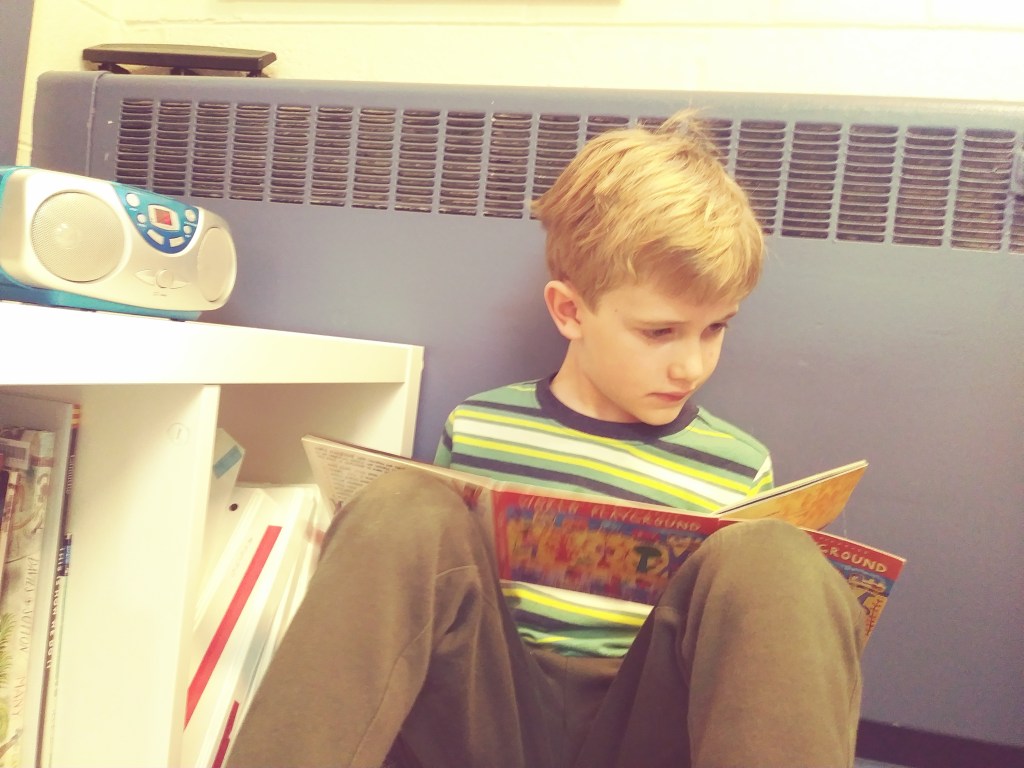
Spark studio heroes jumped in and began the week with an art launch continuing with themes of shape and culminating in some still life and figure drawing. I overheard powerful growth mindset phrases like “mistakes are a good thing” as they ensured each other that there is no wrong way to create art. They spent morning work time writing urgent sentences about volcanoes and excitedly finishing B.O.B books. Two heroes worked on a telling time game while another utilized our music corner by listening to and reading about songs from world playground.

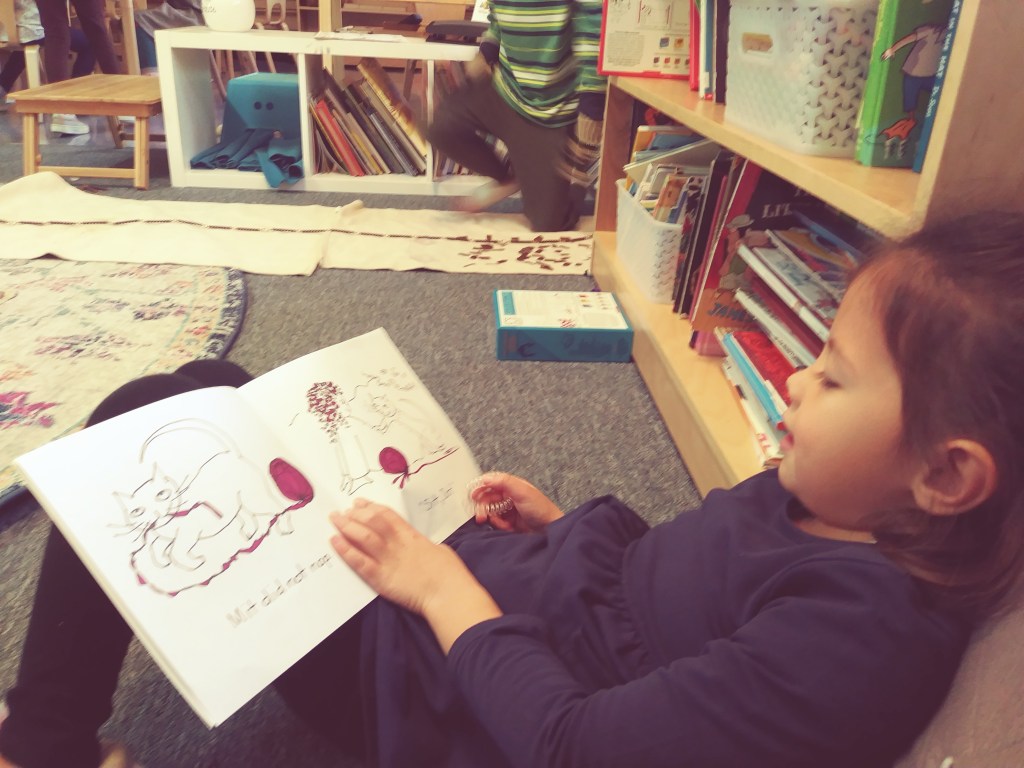
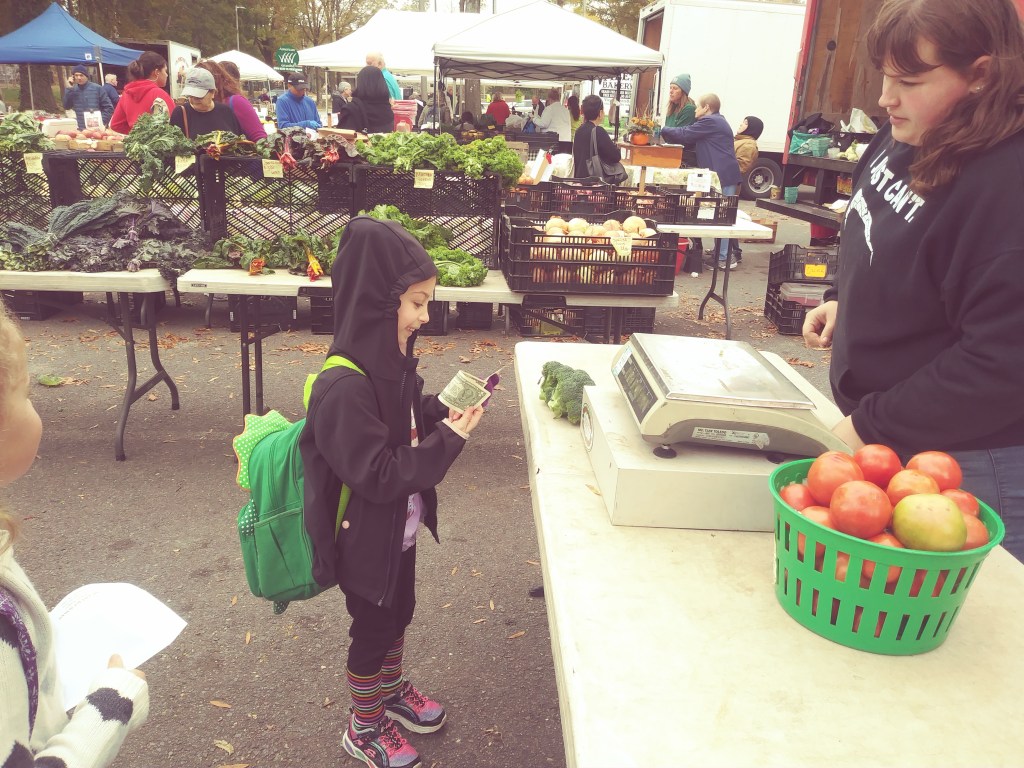
Are you a producer or consumer? In the spirit of true experiential learning, heroes got a chance to be both during this week’s project time. They designed and produced a coloring book featuring one page by each of our learners. They were also smart consumers, writing a shopping list for our trip to the farmer’s market. Each hero was in charge of an ingredient and was given a budget to purchase it for the salad recipe. Next the Spark chefs made a list of steps to produce the salad. “Wash hands, wash veggies, peel carrots, chop tomatoes and radishes” It was time to get to work. A sense of pride filled the studio at closing as the heroes crunched on the healthy and colorful dish they created all on their own.

Find more great photos in the Parents Drive: Session 3 and Field Trip folders

Real-World Learning: Session 2 Week 3

We started with a bang this week with our Tuesday Field Trip.

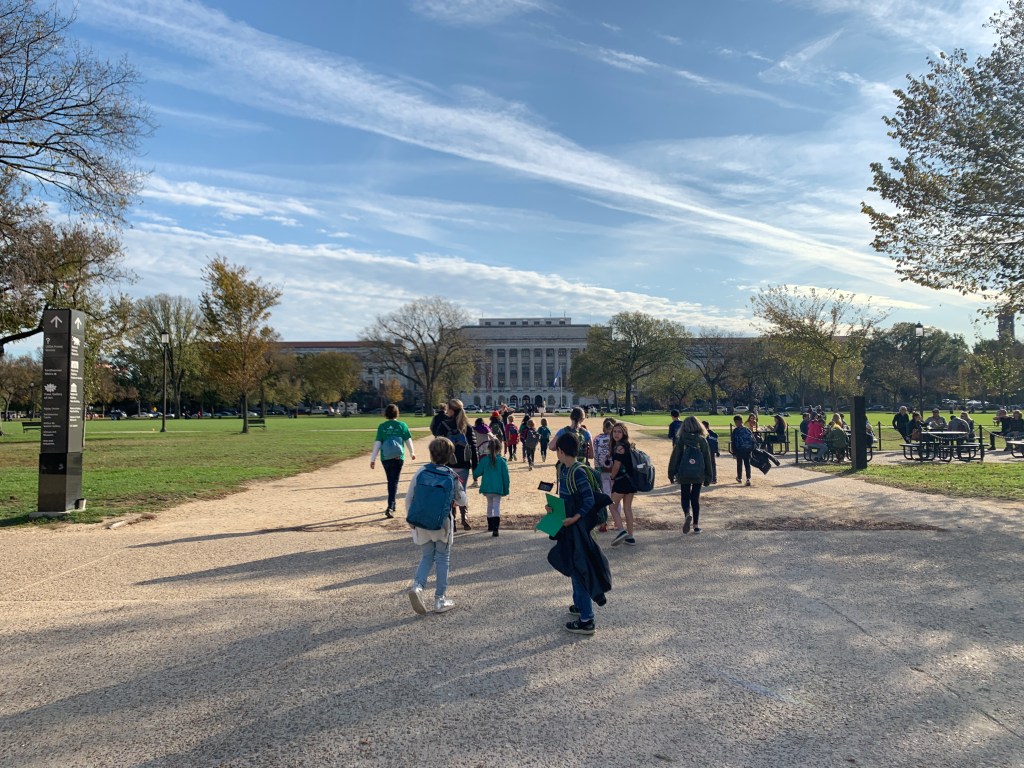
Heroes on the move!

Maria started our day by sharing her hero’s journey. She is a start-up entrepreneur and founder of Nook. Her story of success and learning from failure resonated with our Heroes. They asked her big questions like, “What was your greatest challenge? What about your greatest success?” and specific details, “How do you advertise?” and “Would you rather cater to new customers or your existing customers?”

Hero Talk: a story of a Hero’s Journey

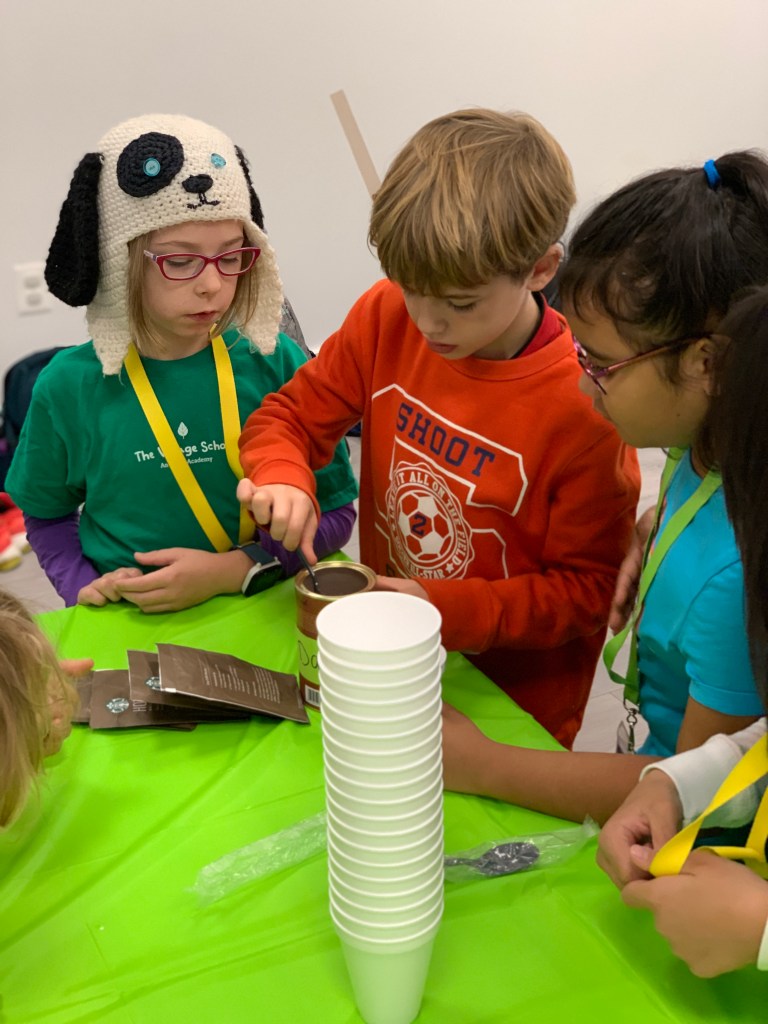
Then the Heroes had the opportunity to ask questions about their own start-up. Each company picked 2 types of hot chocolate and 1 topping to test. Does a customer like plain or peppermint hot chocolate? Are they willing to pay more for the peppermint? If so, how much? The results helped them make tough business decisions.

Surveying potential customers with courage and friendliness
Taste-testing: Heroes ran into obstacles and used perseverance

The next stop on our tour was lunch. It is always inspiring to eat and play tag beneath the Washington Memorial. Especially with such nice weather!

Sandwiches + Friends + Tree = Picture-perfect Lunch

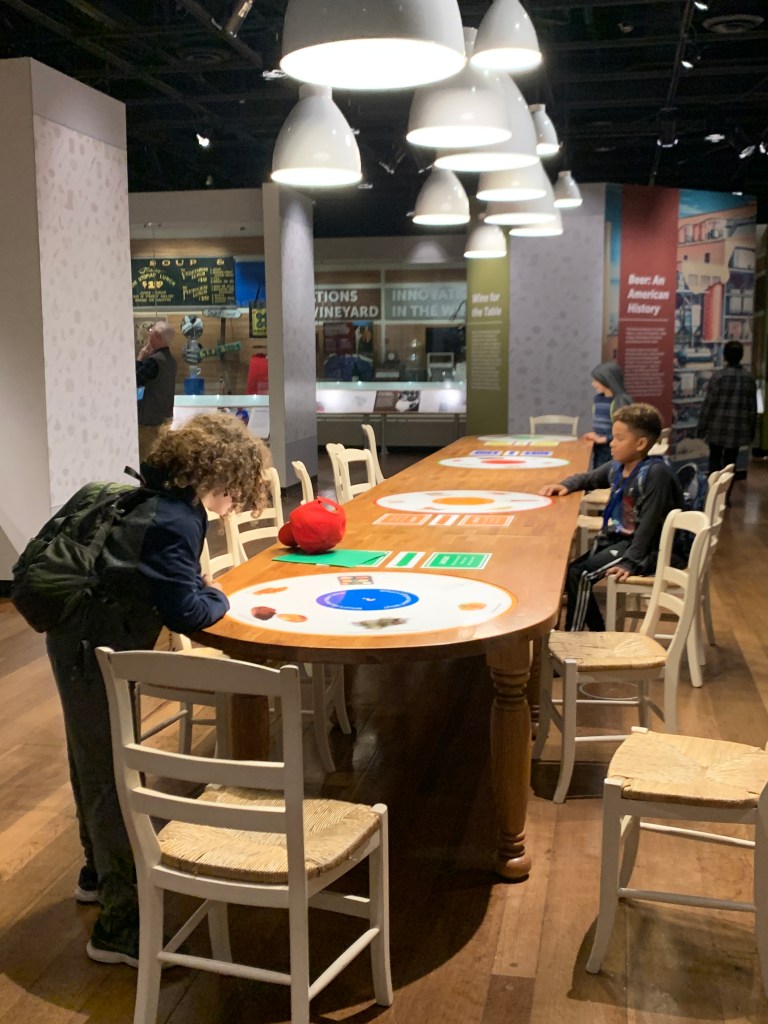
Post-lunch, the Heroes explored exhibits in the National Museum of American History. Their goal was to discover the best exhibit and provide supporting evidence. In reality, everyone always takes away something different from a trip to a museum: learning the specifics of a pacemaker, finding compromises within a group, or maybe even playing an old-fashioned PacMan game.

At The Village School, we strive for real experiences. Chances to sell product to customers or build a museum exhibit. Collaborate with a team and find compromises. The authenticity in each experience means that there is a real opportunity for success, and failure.

We don’t want the Heroes to fail. It is hard to step back and let the natural consequences play out. But often, early and cheap failures lead to a deeper, richer success. And that is the most important goal: nurturing resilient, gritty Heroes who will change the world.

What IS the Adventure?

By Lauren Quinn, Co-Founder and Head of School

“I love Acton Academy! I would say it’s an excellent choice for any families looking for an adventurous education.”

This was a comment made recently on our neighborhood list serve, in response to our upcoming Open House event. I’ve been thinking about it ever since. Mostly, because I am always looking for ways to better explain to families what that adventure actually IS. Is it our cool, hands-on quests? Is it allowing children to learn at their own pace? Is it our approach of asking questions to guide and facilitate learning? Is it that we use a new language of “heroes” and “journeys” or mantras like “failure leads to success” or “every child is a genius” (both sincere and rooted in our deep beliefs about learning.)

I would say these elements definitely make us different from a traditional education, but I would argue this is not what makes an “Acton” education an adventure.

What makes our learner-driven community a true adventure is that we are offering what is called an “experiential education” for families. What does this mean?

As an Acton Academy, this means that learning is a series of authentic experiences and involves a constant process of learning through reflection on these experiences.

“For the things we have to learn before we can do them, we learn by doing them.” – Aristotle

Doing what exactly? Well, everything.

From being given a budget for classroom resources like paper and pencils, planning and executing field trips and school events, to trying out different systems of self-governance and peer accountability, our learners are given opportunities to do it all. And because they are given opportunities to do it all, they are given opportunities to fail at doing it.

We don’t save our learners from the struggle. We welcome it- because we know this is where the real learning happens.

It is an adventure- filled with uncharted territories, muddy waters, surprising twists and turns, and immeasurable treasures to be found.

My list of treasures is ever growing but here are just a few of my own:

  • Seeing a young person discover his/her untapped strength and potential daily
  • Watching an eight year old facilitate a successful conflict resolution between two of her peers
  • Hearing a nine year old describe growth and progress as circular and constant
  • Being a part of a parent community that leads by hope and courage
  • Being a part of a school community where fun, laughter and joy abounds- that honors the delicate balance of taking itself seriously, but not too seriously.

These are the truest of treasures only to be found on this wild adventure we call school.

Authentic Teamwork: Session 2 Week 2

Miss Plumpert’s prized pot pie has gone missing and now its up to Spark Studio heroes gather clues, rule out suspects and crack the case! They’ll have to work together quickly because the guilty fox is high-tailing it to the exit. Can our young learners halt him or will they be outfoxed? While complex, this board game was an instant hit in our studio. It includes a compelling story and is cooperative. In our first few sessions especially, building a positive culture of teamwork is imperative to successful projects. I have been a part of team building exercises that felt forced, ineffective and often awkward. The best way to gain this kind of group connection in an authentic way is through a common goal that heroes are excited to work towards. Games like this allow our heroes to cheer one another on. Heroes use patience with younger learners who may take longer to add up dice sums. They offer assistance when sounding out the names on the cards and they have shared genuine excitement when they accomplish the common goal and thwart the hungry fox.

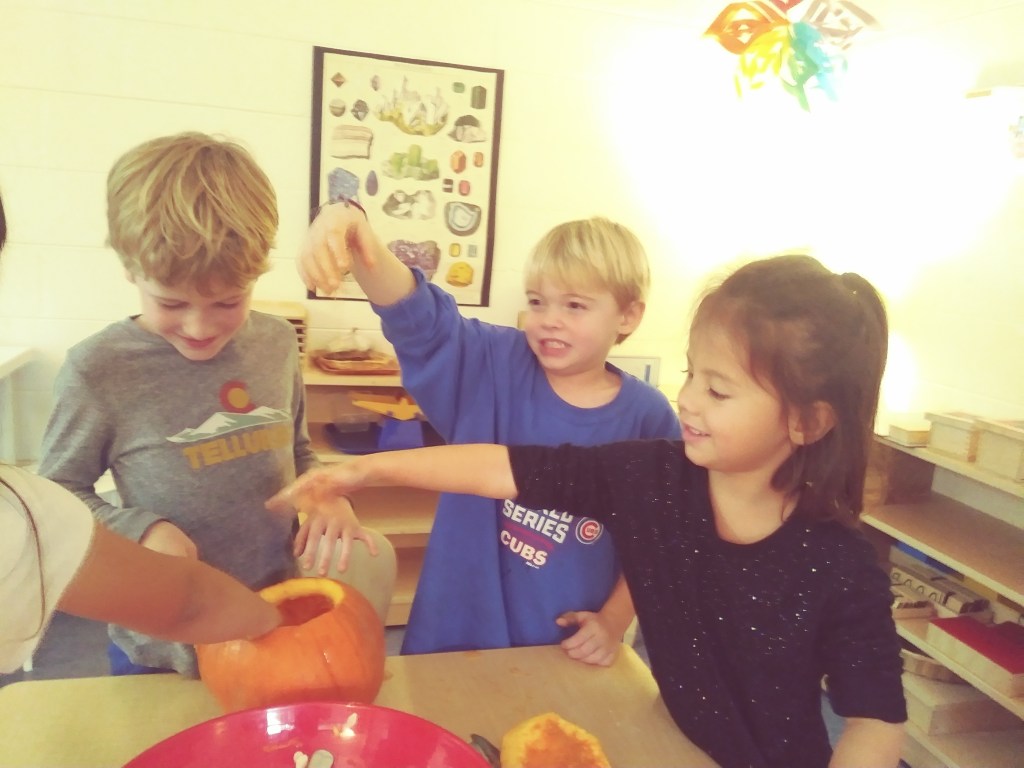
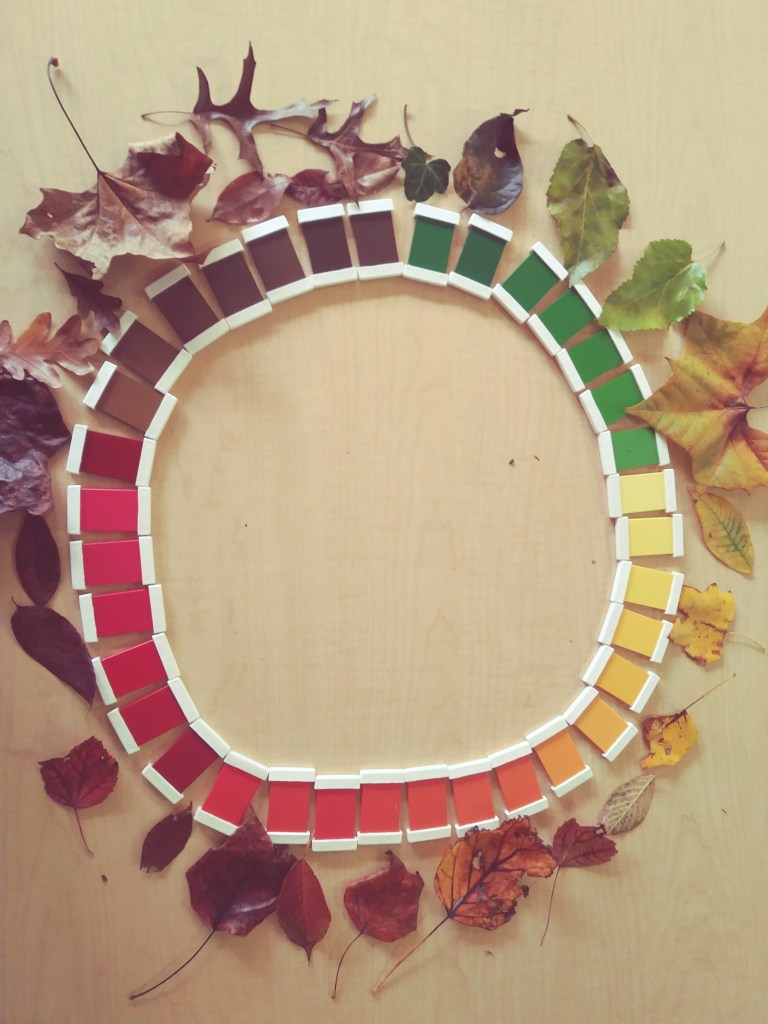
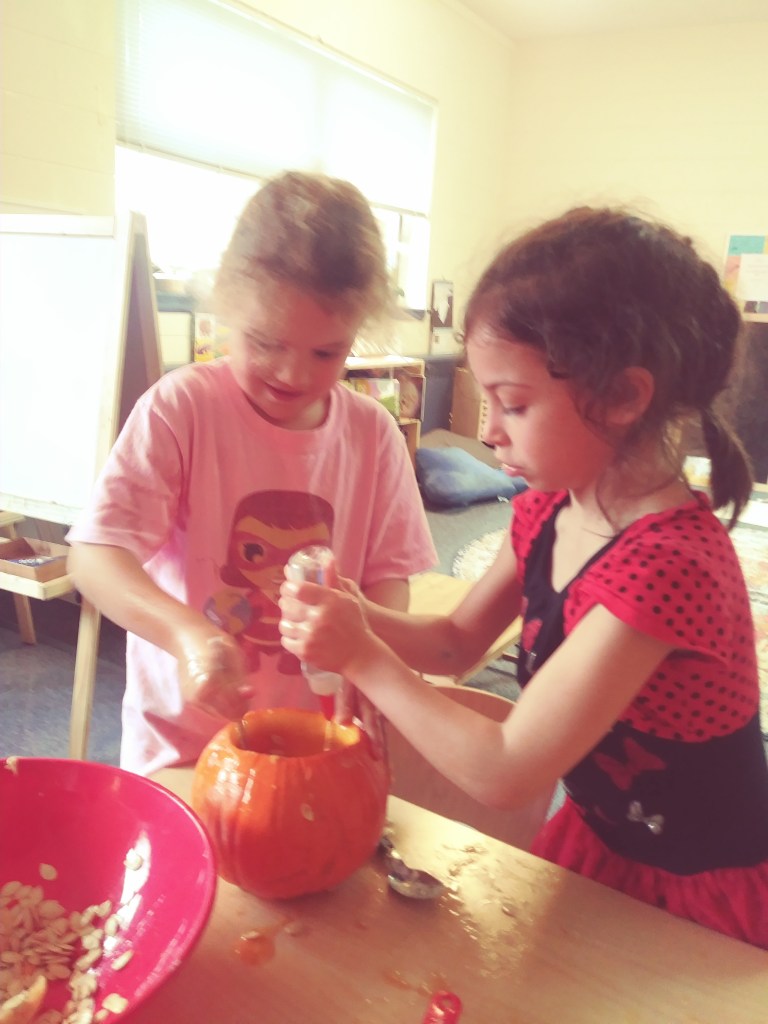
When not avoiding being outfoxed, our heroes were very busy this week. They shared stories of halloween happenings and took on the role of scientists, predicting differences in the slime of orange and white pumpkins. They graded the colors of leaves and spent morning work time reading books and making books of their own. They played alphabet games, solidifying phonic knowledge, and also worked on geometry with geo-boards and addition with our bead frame. During quest they explored some data, creating a bar graph about goods and services and they worked together as planners creating “Spark City”. This town features both goods and services that heroes chose and made representations of, before deciding on their placement along the avenues of our paper town. Agreeing on what to include, where it might go and who is in charge of each establishment was certainly a challenge. A project like this becomes manageable when heroes draw on the practice they have in working together effectively, towards a common goal.