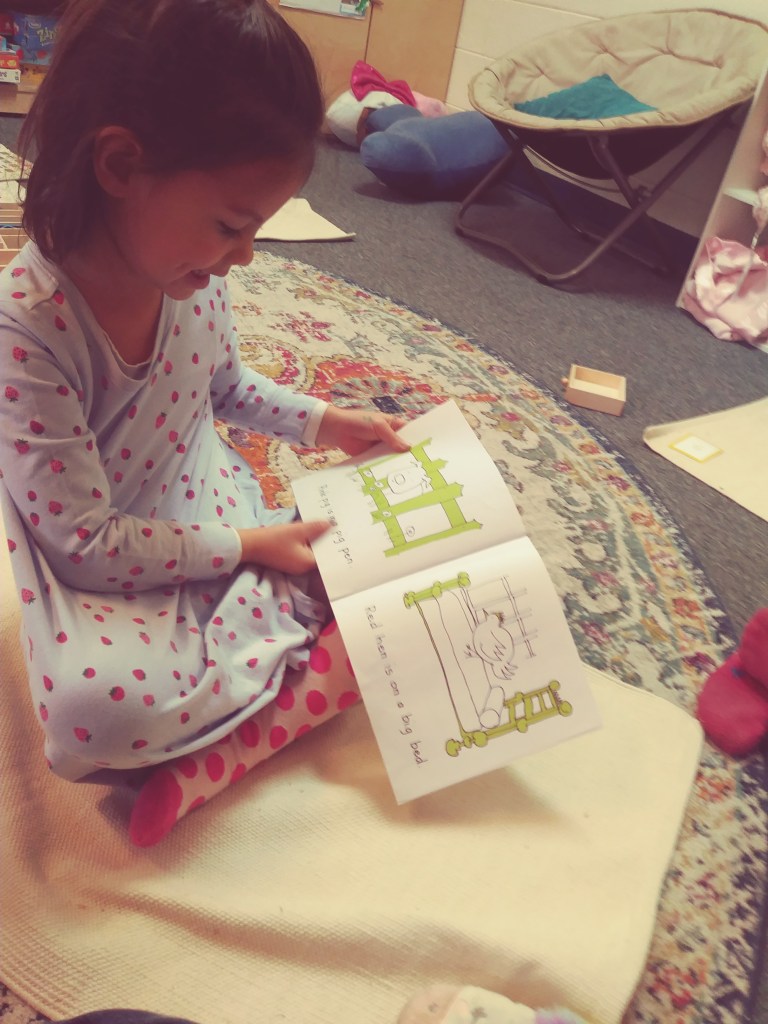
Solving Difficult Problems

At The Village School, we promise seven key things to our families. One of these is our promise to guide each of our learners to discover his or her most precious gifts so they can use them to solve difficult problems.

What kind of problems are we talking about? Do we mean problems related to the core academic areas? Are we talking about complex multi-step word problems or mastering that spelling list, reading drawer, or newest civilization challenge?

Actually, no. While these core skills are an important part of our learning design, they are tools that allow our learners to begin the work of solving difficult real-world problems.

As parents, we can sometimes lose sight of the real-world problems in our midst.

Recently, my oldest son was working on mastering the concept of rounding on Khan Academy. He was struggling while working on it at home and asked me for some help. Rather than sit with him for a few minutes or ask questions about what he’d tried so far, I jumped in to show him a rounding “trick” that could help him solve his problem. Happy with this new-found method of rounding numbers, he went along his merry way working through the remaining challenges on Khan. Problem solved.

Or not.

The very next day, as he was working through similar problems, he threw up his hands in frustration and yelled from the other room, “Mom, I forgot what you showed me! Ugh, can you come show me again?”

At that moment, I was reminded of something I already knew- quick, academic progress that feels good in the moment is not the same as deep, mastery based learning. I had lost sight of the actual problem.

For my son, he was facing the problem of how to use his time when didn’t understand something. Should he invest the time to deeply learn this particular math concept, watch the videos, do the practice problems, ask one of his peers for help or look for a shortcut- saving time but sacrificing understanding?

By stepping in the way I did, I had removed the difficult real-world problem that my son would face again and again throughout his life. The problem of time- how should we use it?

The slow, cumulative process of mastery based learning takes time. But we know, at The Village School and throughout the Acton network that it is this process that allows our heroes to learn to learn, learn to do, and learn to be- which is far more important than simply learning to know.

Knowing this, I always find it remarkable that our learners, on average, score one to three grade levels above their same aged peers on standardized tests. The truth of this fun fact is staring us right in the face: a child who knows how to learn can learn anything.

While academic progress is important, this is not the work of solving difficult problems.

While we celebrate a learner mastering his or her grade level in math or reading, what we are really celebrating is how this learner faced and solved the difficult problem of time to meet his or her goals.

Using your voice, solving a conflict, meeting a deadline, becoming a leader of yourself and your learning- this is the work. If our children learn how to do these things now, in a community that mirrors the real-world as much as possible, then they will be poised to solve the world’s most difficult problems when they encounter them.

Next time my son is struggling and looking for a “quick fix” as a way to solve his immediate problem, I’ll try my best to remember this.
Session 4 Begins

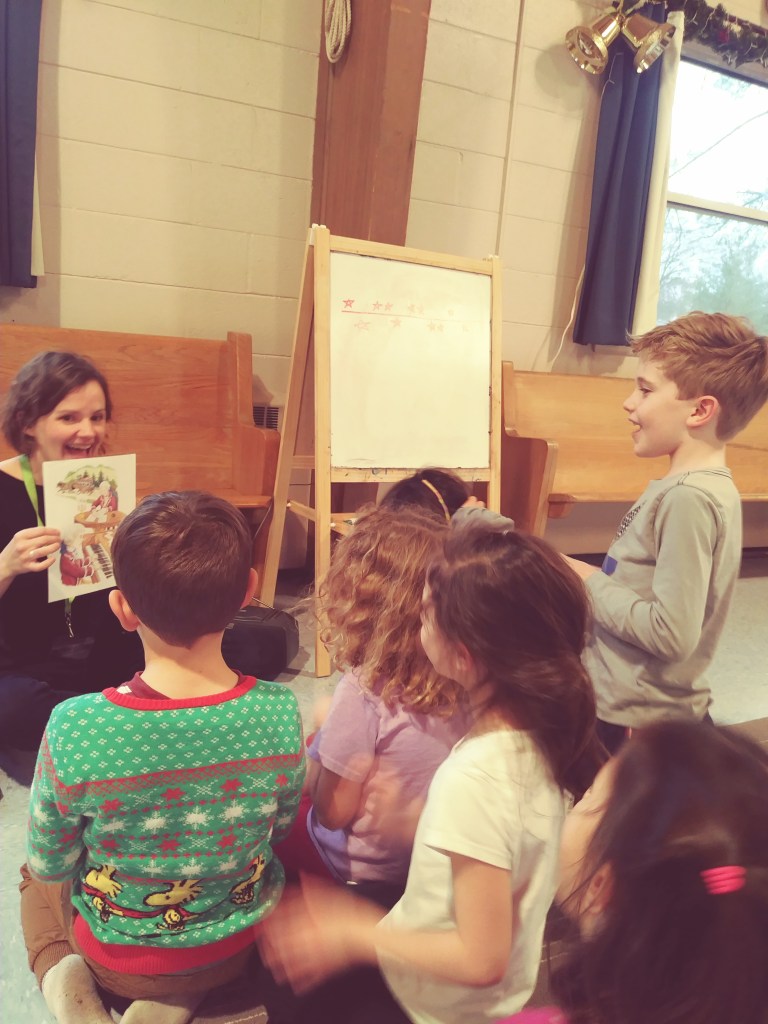
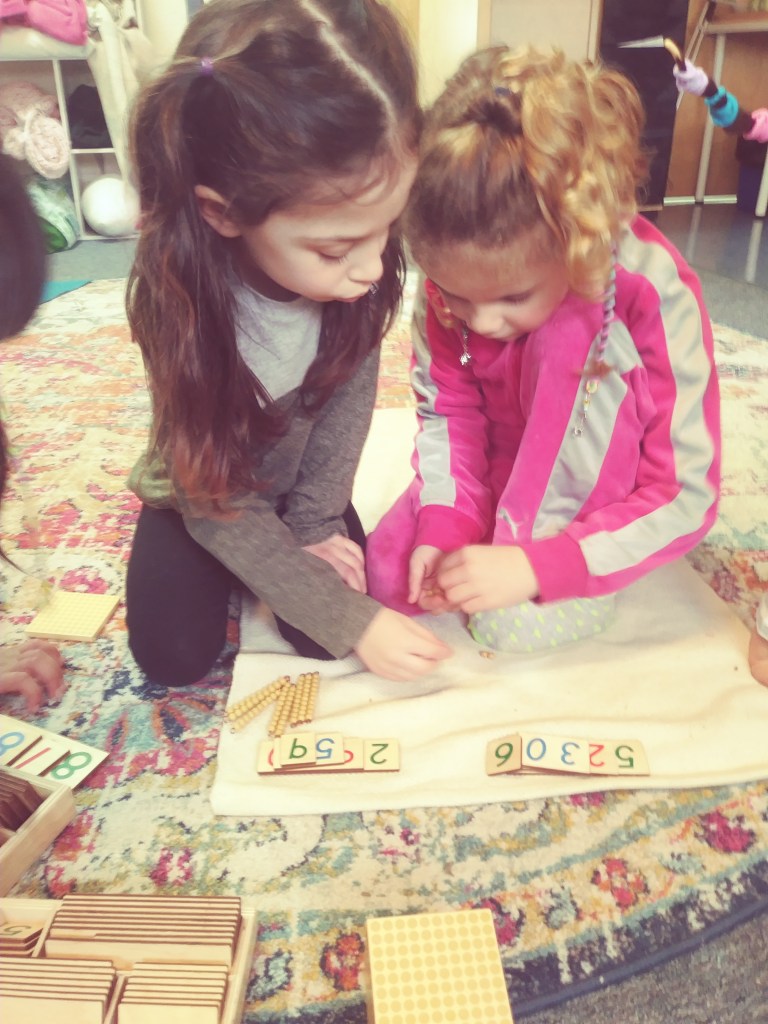
Stories of holiday happenings, new siblings, and volcanoes visited filled our studio as heroes were reunited after break. The excitement to see one another carried through the week and took the form of group hugs after cleaning up and belly laughs at lunch time. We also welcomed a new hero to the tribe. Heroes took pride in showing her the routine of Spark Studio and even helped her to sign our contract after discussing the agreement outlined there. They talked about how on a daily basis we uphold a culture of kindness, care of the studio, not distracting one another, and trying our best.

In this session, project time will have heroes play the role of architects designing  an ideal school or home. The quest will equip heroes to use the language of location describing items on a map or blueprint and locations in the studio. They will be introduced to different architects and their techniques and hero stories. Heroes will study animals as master builders and make connections to the natural world. Math and engineering concepts will be used in a tangible way by building 3-d structures and models. Projects will focus on material studies and serve as creative outlets with hands on building challenges. Spark architects will use the design process with a long term goal in mind.

After a busy first week of focused morning and “epic” snowball fights, heroes are ready to take on a new session!

5 Questions that Parents can ask Often

Step back. Trust the process to play out. It is all part of a Hero’s Journey. And yet, stepping back is not akin to passivity.

Successful Heroes often have active parents who do step in. They step in by asking really great questions. Here are the top 5 questions that you, as a parent, should feel empowered to ask (and ask often!)

  1. What were you excited about today? What was most challenging for you? All parents want to know, “How was school?” and often receive an automatic response. Try a question that requires a specific answer.
  1. What is your goal for the end of the year? Step 1- show that you are willing to walk alongside your Hero. Usually, he/she will open up with problems to solve or need your help to breaking the goal into manageable steps.
  1. Does (insert subject here) get harder if you don’t practice? A parent recently checked in with their Hero and noticed he wasn’t doing any math. Asking this question, they were able to have a conversation relating math to a muscle: muscles atrophy if you don’t work them, but they get stronger if you practice every day. There was a  natural conclusion from both parent and hero that 30 minutes a day of Khan would be beneficial. To keep the Hero on track, if he didn’t finish the 30 minutes in school, he would do the 30 minutes at home before anything else.
  1. What did you discover this week? Emphasize the excitement on learning and refocus the conversation from points, badges, etc.
  1. What did you do last week that you plan to do differently this week? There are times when your Hero is smarting from a failure. Give them time to cool down and when they are ready, asking this question helps them focus on specific choices to change. Positively reinforcing successful habits is always useful too!

The most important part of a great question? Ask with genuine curiosity. You might be surprised what you find!

A New Year begins with Session 4!

Welcome to Session 4, the Heroes were excited to see each other again after our holiday break.

This session is all about building and integrity. Theater and process. Letter-writing and stories.

Monday began with a brand-new project: Process Drama. In process drama, the heroes work together to create a story through a mix of improv and acting. At the end of the session, they’ll perform their plays for Spark Studio.

Day One: Choosing stories, mapping an outline, and acting basics

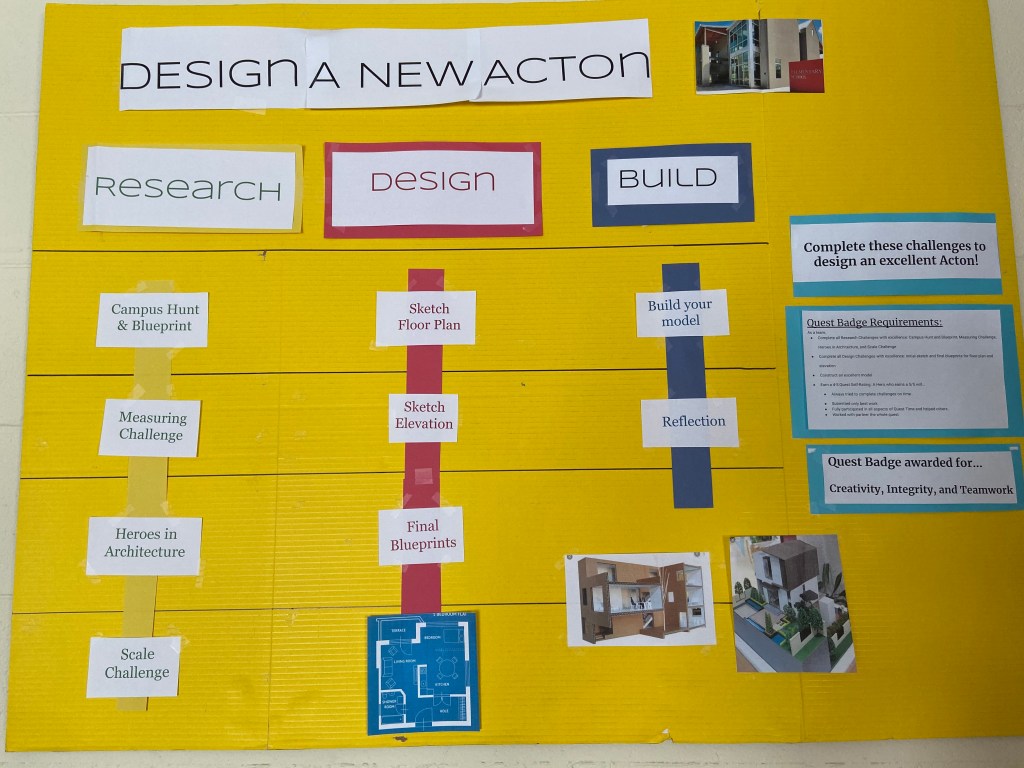
In the Architecture Quest, the heroes will design a dream Acton Academy: learning about measurement and scale, creating blueprints, and building a final 3D model of their building. 

This is a team quest. Each team consists of 2 Architects.

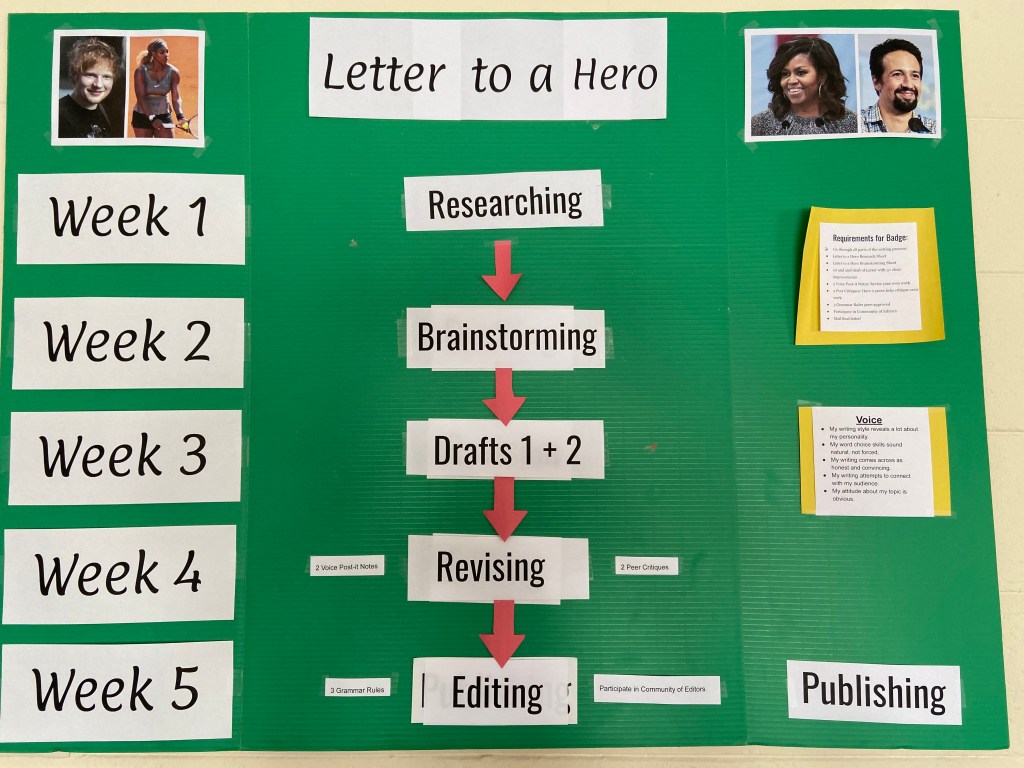
In the Letter to a Hero Writer’s Workshop, the heroes will write letters to someone they admire. They’ll inquire about their hero’s life story and share their own journey, asking deep and interesting questions. Voice is the focus writing trait: how can you craft a letter that speaks true to you?

Each Writer’s Workshop takes the Heroes through the Writing Process

These themes are all tied to the big question, “How do I use my voice to build? How do I use my voice to deconstruct?”

We’re off and running!

Taking Inventory

“I can’t pinpoint the moment it happened because, after all, erosion is so much harder to recognize than earthquake damage.” – Kevin Salwen

Disengaged, distracted by our various technological devices, “busy” with our own work, agendas, extracurricular activities, constantly enticed by a consumer agenda of “more”- it is dangerously easy for modern life to cause our family relationships to erode. 

So how do we recognize erosion before we’re faced with earthquake damage? The start of a new year is a great time to take a family “inventory”. This inventory involves stepping off the treadmill long enough to reflect and answer a simple question: How are we doing?

Recently, when Christian and I asked this question, it became clear that we were not doing great. Distracted, disengaged, and entrenched in various rationalizations of “busy”, we were far from describing our family life as thriving. As our boys developed new interests and greater independence, and we allowed our own work demands to take over, it began to feel like we were on a path that we had not intended to take- one that prioritized productivity over connection. The hardest part of this realization is that we were the problem. As parents, we set the tone, and we were not setting a good one. Ouch. 

But, with newfound clarity, we can begin again. We can choose to do less and listen more. We can build rhythms of restoration and connection into our family lives and choose to take the hard but more rewarding path of living more intentionally among the people we are entrusted to and who have been entrusted to us. Whether it’s a New Year or a new week, we can all do this.
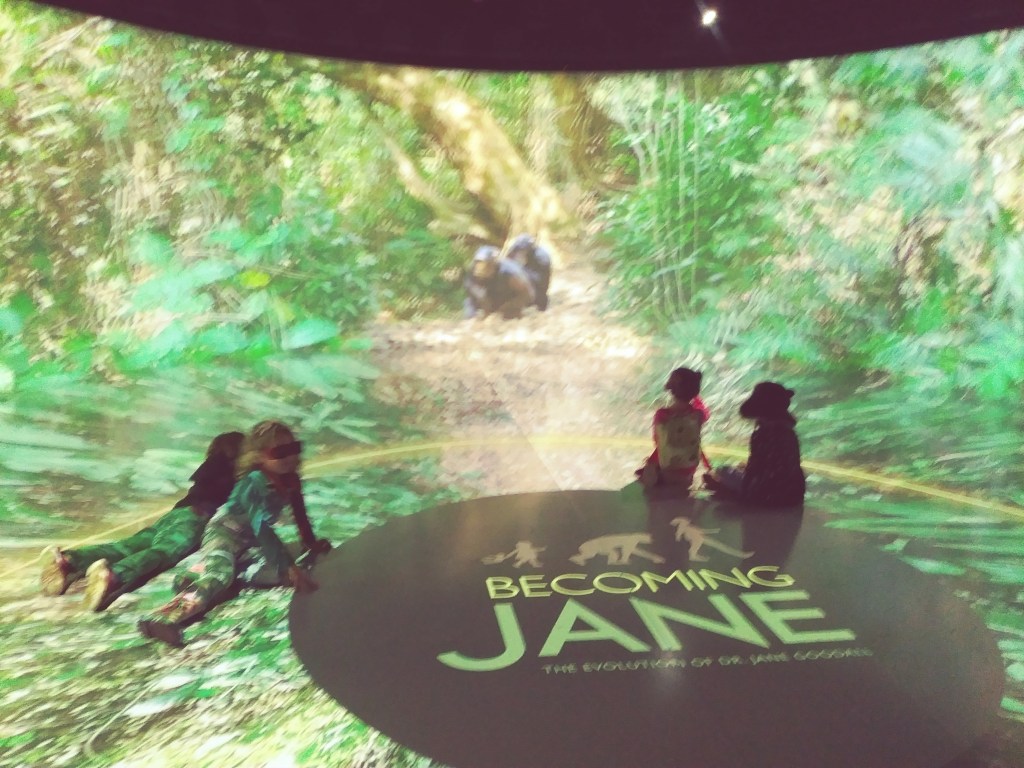
Even better news- we don’t have to do it alone. Here are some great resources, along with one inspirational story, to help your family thrive this year, and beyond: 

How Your Family Can Live a Richer Story in 2020: Building a StoryBrand by Donald Miller
The Three Big Questions for a Frantic Family by Patrick Lencioni
Rhythms of Renewal by Rebekah Lyons
The Power of Half by Kevin Salwen and Hannah Salwen

Learning to Learn

“The focus on Acton is on skill-building, not meeting academic standards.” -Jeff Sandefer

The first year or two for a learner at The Village School involve a Hero learning how to learn.  This starts with learning how to do something as simple as staying focused for 10 minutes on a task, or setting smart goals consistently, or learning how to navigate the systems in an Acton studio.  If they learn these skills, then they can learn anything they set their mind to.

As a community in our second year, I can say this is where most of our learners still fall- they are still learning how to learn. It’s important not to miss this part. This is the foundation that will allow them to thrive in the new world we now live in.

These are the things our heroes are learning in their first two years:

  • Developing a growth mindset/ Hero Mindset (vs Victim mindset)
  • Learning how to respond to failure/mistakes 
  • Learning to take responsibility for their choices 
  • Learning to give and receive feedback from peers
  • Learning how to hold their peers accountable
  • Learning how to participating in discussions productively
  • Learning to work well with peers on group learning activities 
  • Learning to regulate emotions
  • Learning to advocate for themselves and others
  • Learning to set goals for a day, then a week, then a session
  • Learning to organize their belongings and their work
  • Learning to track their work accurately
  • Learning which systems to use when
  • Learning to operate a laptop
  • Learning to navigate their learning without direct instruction from a teacher

These are the skills of a life-long learner. They don’t develop overnight- nothing important really does.
Field Trip in Pictures

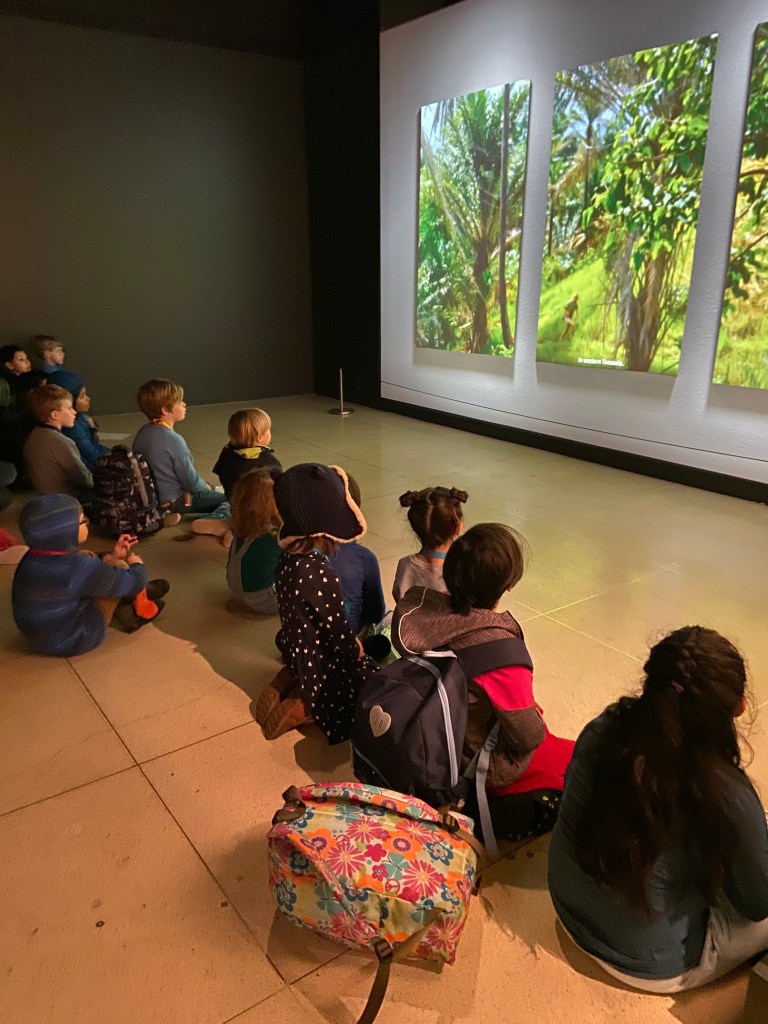
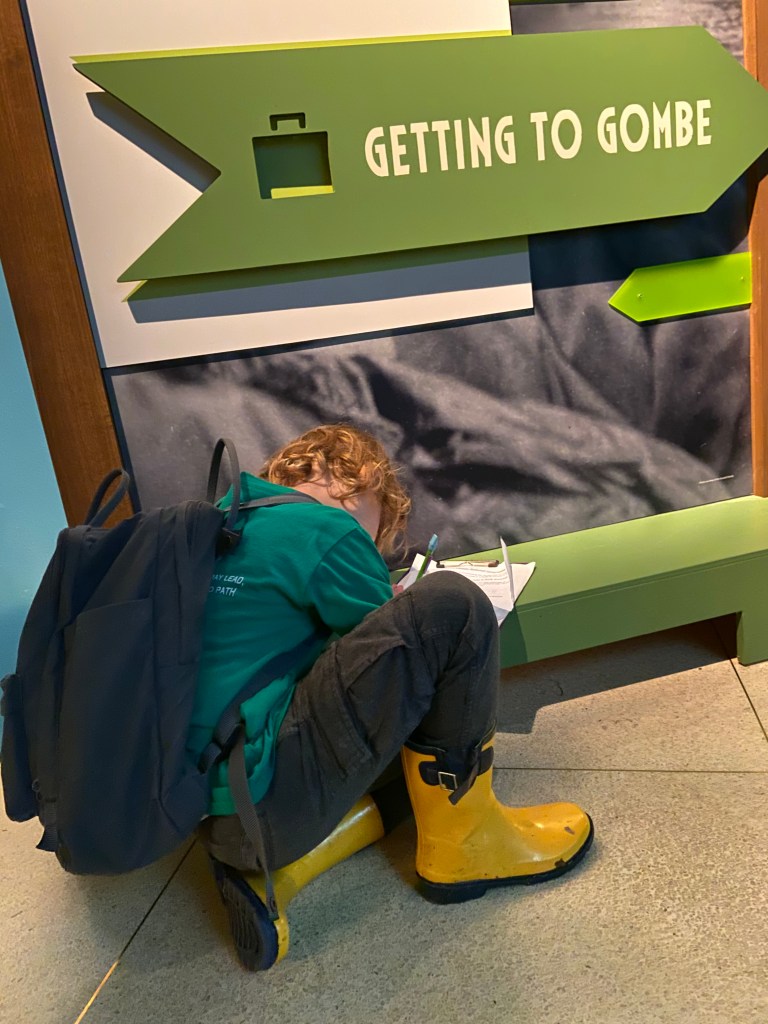
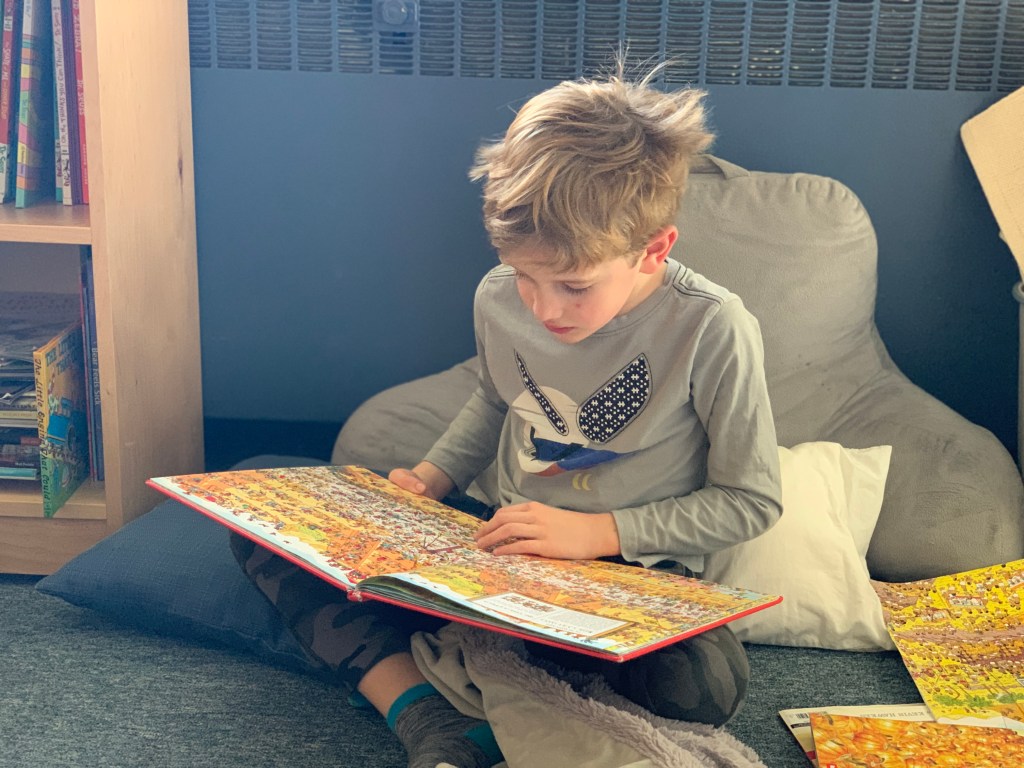
Our day started at The National Geographic Museum
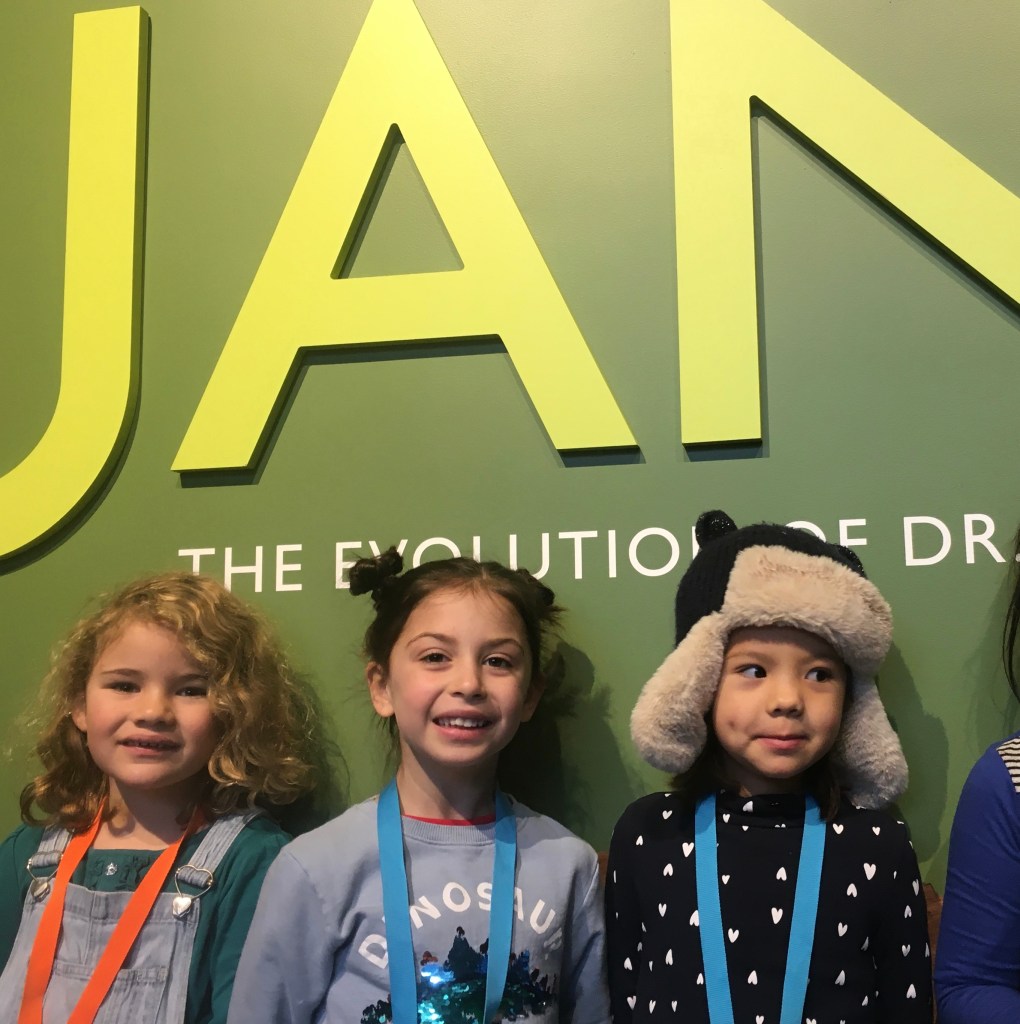
The exhibit? The Life & Work of Jane Goodall: a perfect story for a hero’s journey!
“My favorite part of the day was learning about Jane Goodall… and learning to speak like a chimpanzee!”
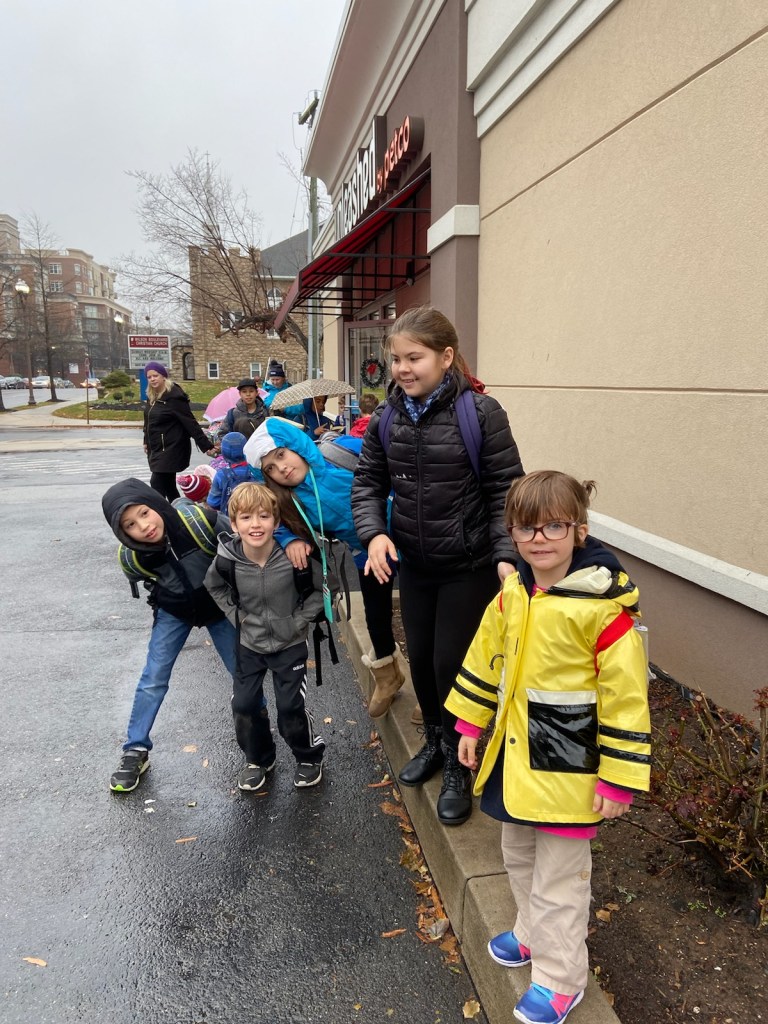
A rainy walk to the National Museum of American History- good thing the Heroes were prepared!
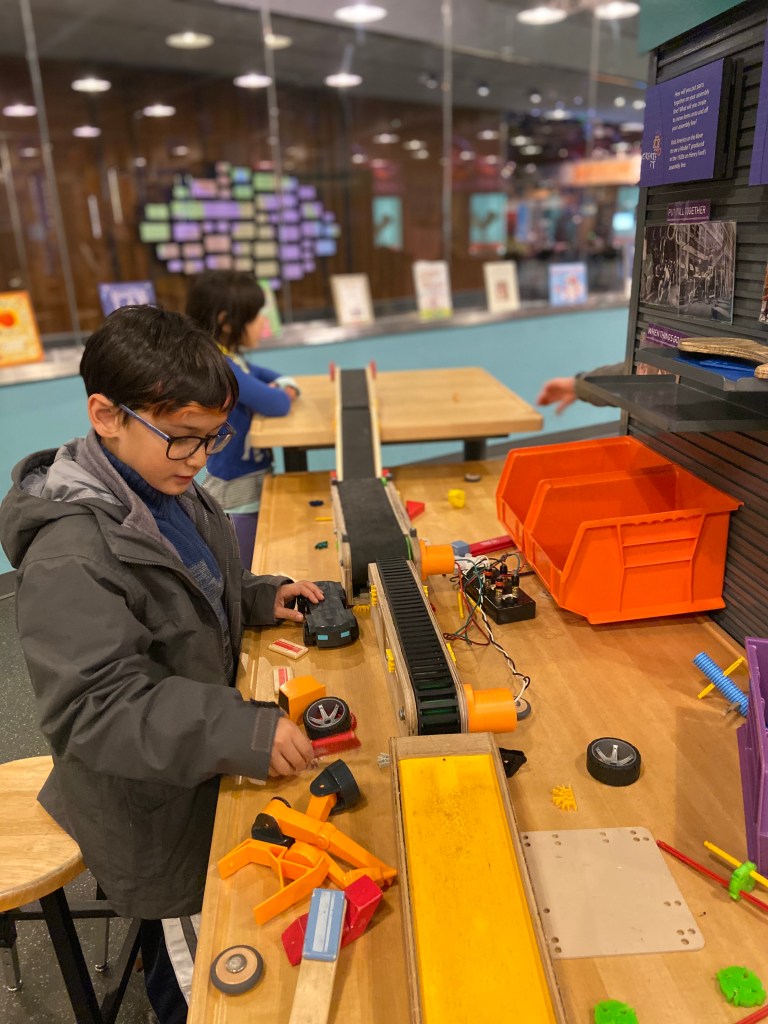
Designing inventions at the Spark Lab
Work at the circuit board
Creating an assembly line
And finally, a trip to the Pet Store for last research questions!

Spark Studio Session 3 Week 2

The week begins with a game of sharks and minnows and stories of fun from the weekend. A launch on kindness and empathy poses questions to heroes about how they like to be treated and how they can fill the buckets of those around them. Our heroes talk about times when they feel frustrated and how big emotions can cloud our judgement. These can be the hardest times to remain kind but they ultimately decided that even when things aren’t going your way there is always a way to extend feedback that is thoughtful of others. As these kind acts take place throughout the day, heroes fill out kindness cards that are placed in a red bucket and recognized at closing. Our bucket has yet to be empty.
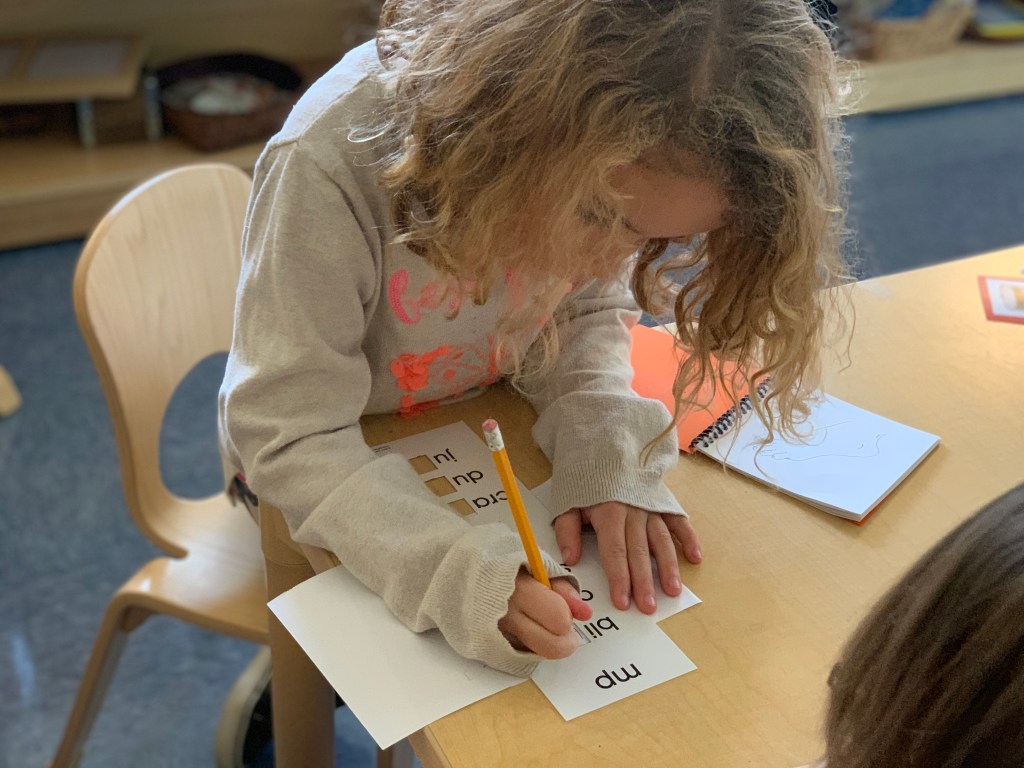
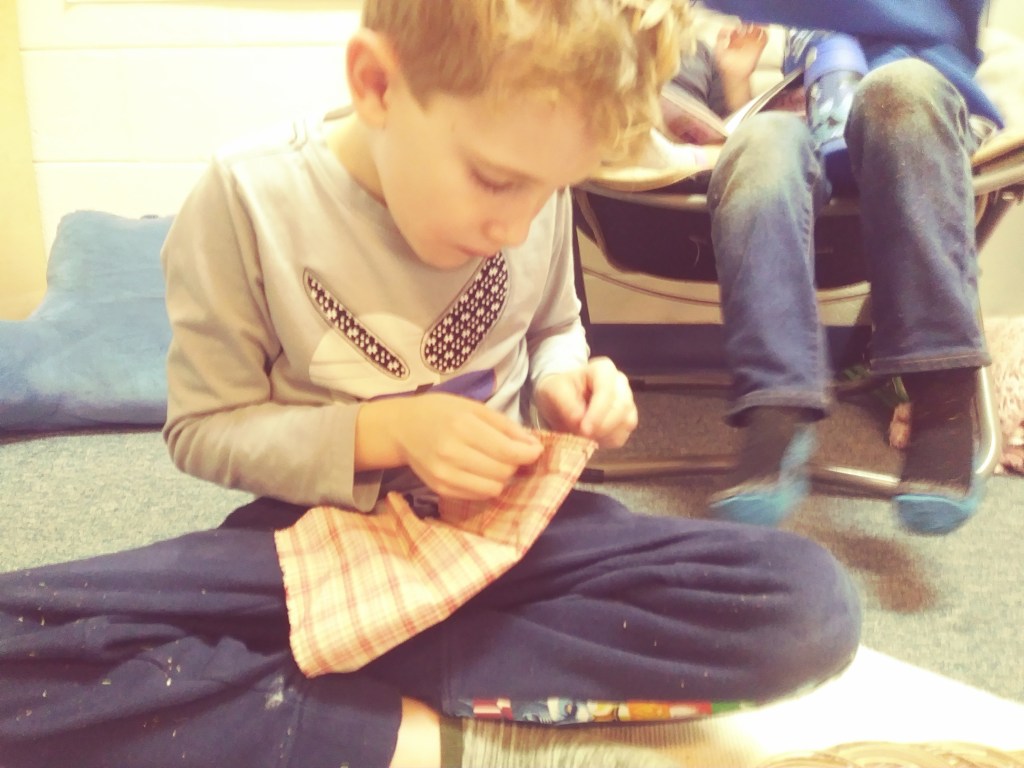
Morning work time remains a busy hub of of meaningful tasks. This week that included sewing pants that had gotten torn and writing notes to friends. Inspired by last session’s business quest heroes also set up shop to sell pillows they had made- although there weren’t many customers in the parking lot. This session includes a writer’s workshop that allows heroes to propose a pet they might like to have in our studio. This includes doing some research and coming up with a convincing argument for why that pet should be chosen.

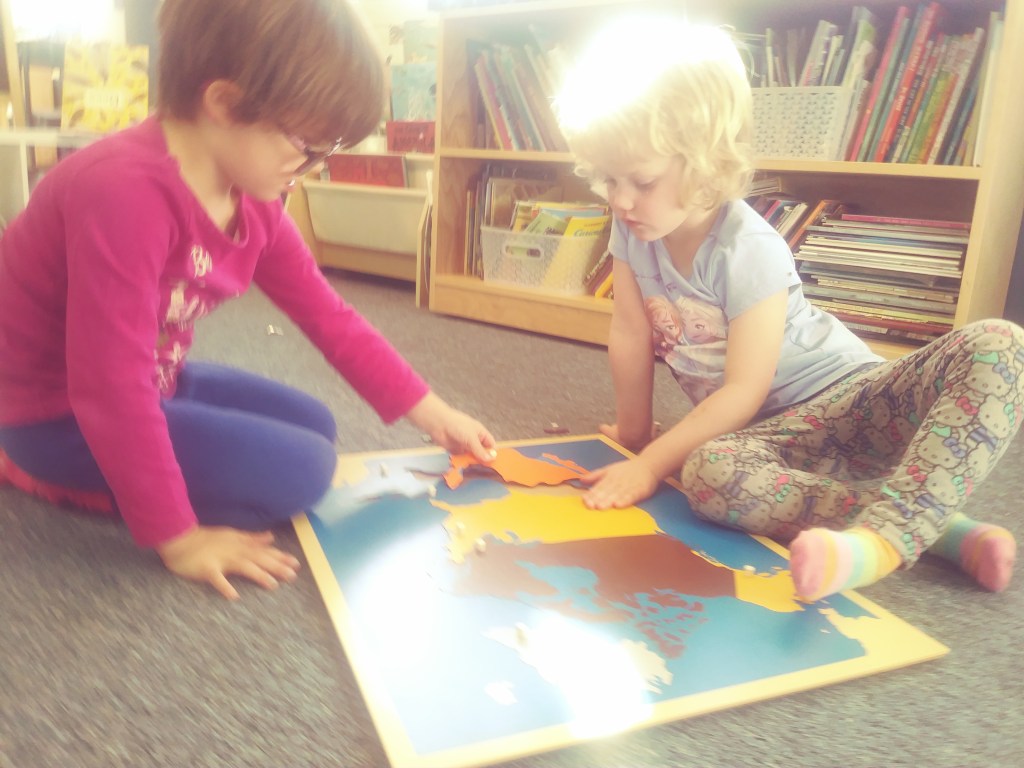
Our project time puts our heroes in the shoes of world explorers. Each afternoon they draw another continent on their maps and we hear stories of traditions from that place. They decorated shiny Indian elephant decorations and made flags from Europe.They crafted play dough animals from Africa and talked about how following her dreams and not giving up made Jane Goodall a hero. The week culminated in a trip into the district where heroes were able to put their hands on a replica of a chimp, invent robots in the SparkLab, and confidently navigate the metro as self sufficient explorers. Don’t forget to check the parent drive for photos!

Practicing Kindness: Session 3 Week 2

“Unexpected kindness is the most powerful, least costly, and most underrated agent of human change.” – Bob Kerrey

Couldn’t we all benefit from a little more kindness? The ES Heroes are practicing intentional kindness this session, and making the world a better place in the process! In Squads, they have devised projects to bring joy to others whether family/friend or stranger, local or international community. Some projects include: filling a backpack for someone without a home, making dog treats for the humane shelter, and designing cards for family and friends. One group showed great creativity by attaching kind notes to chilly ice cream bars for firefighters who, granted, have to deal with a lot of heat!

Providing advice can be an act of kindness

The Heroes will also be able to show their gratitude for each other in the Secret Snowflake Book Exchange. A fun tradition- each Hero secretly picked a book for a fellow traveler and when the books arrive, they’ll write a dedication to that Hero and wrap up the present for gifting on the last day of the session.

Enjoying each other’s company at lunch

A thought to leave with you in this holiday season: is it better to be kind or honest? One Hero tackled this question with the concise answer, “Can’t you do both?”

Community of Teachers Session 3 Week 1

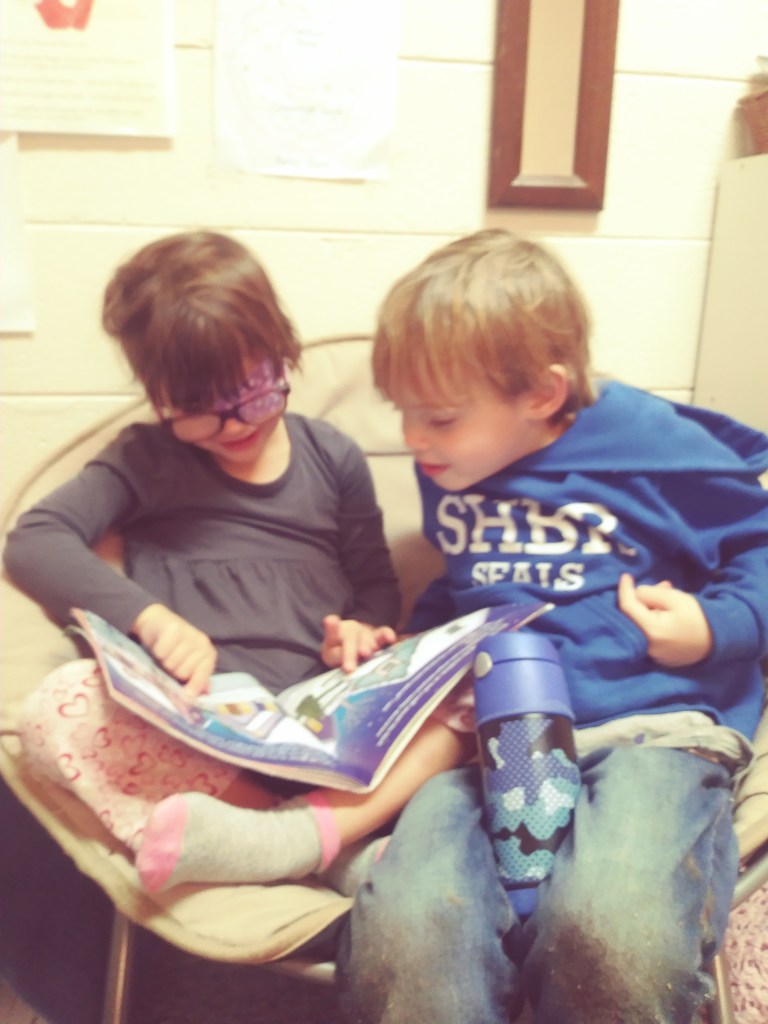
Without teachers, how does learning take place? This is a favorite question of mine about the unique nature of The Village School. The answer allows a closer look into the independent learning that develops and is honed in spark studio and carries to the elementary years. As a hero grows and as the community matures the attitude shifts from I am capable to we are capable and succeed together. Independent learning does not take the form of total chaos and misdirected energy in the studio, but instead freedom within limits. Allowing a hero’s own curiosity to be the leading factor, shows a young person that we trust them to make choices and to be in charge of their own education. On a daily basis there are many teachers that a hero encounters.

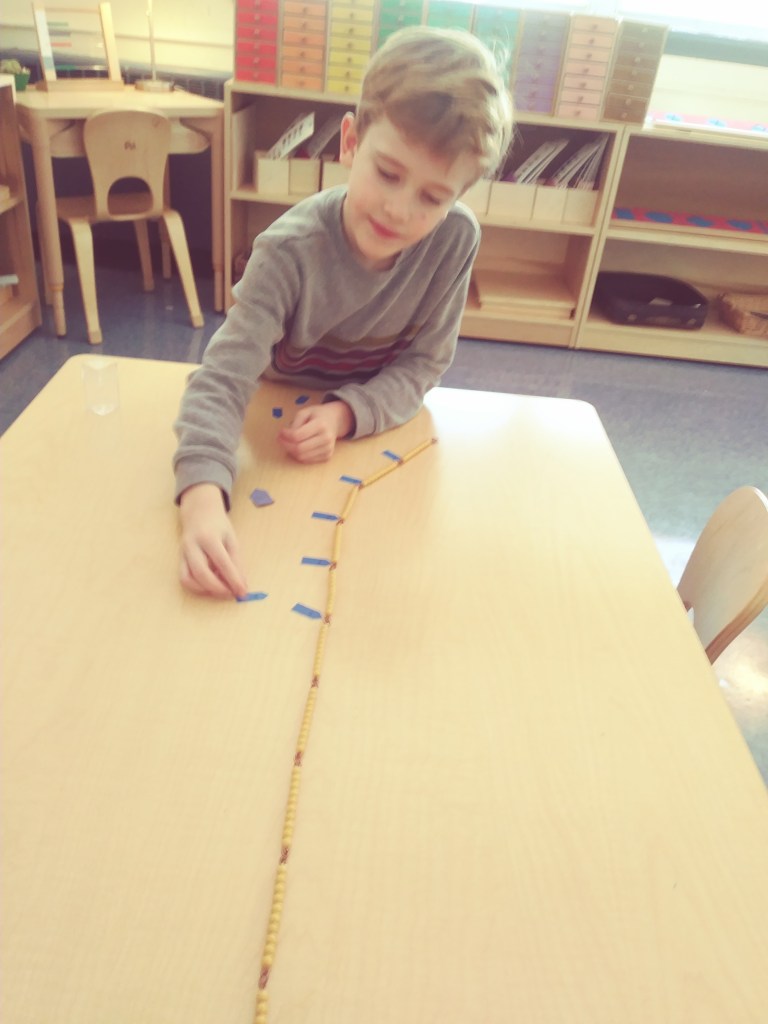
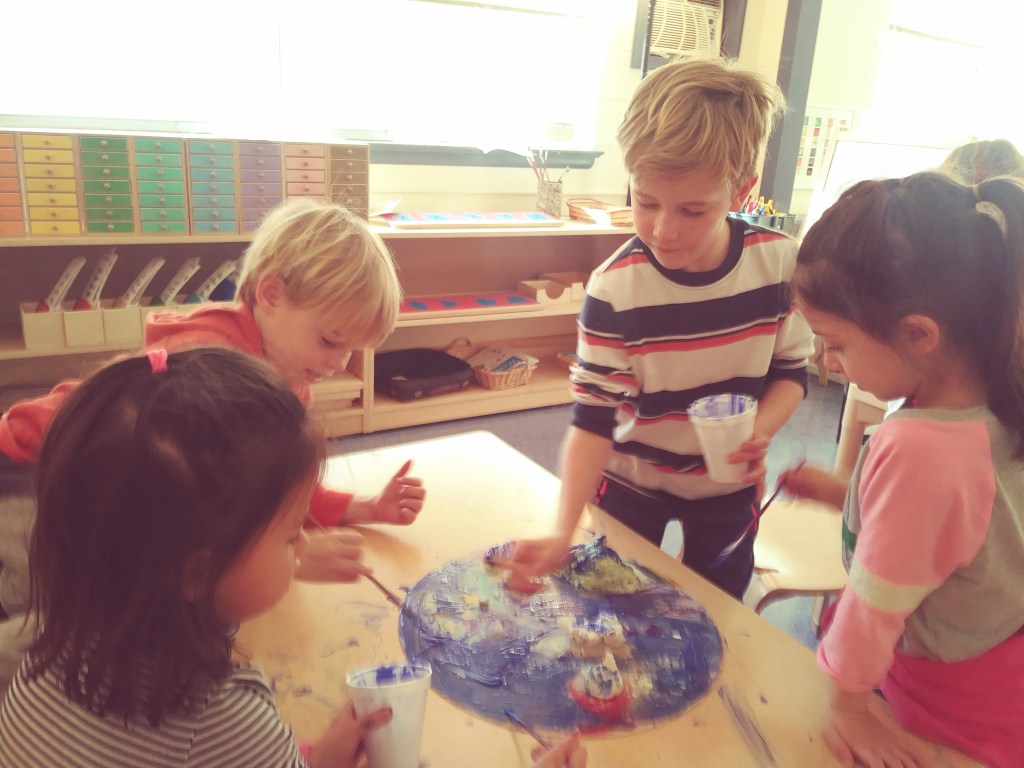
The Prepared Environment: As soon as a hero enters the space they are greeted by a curated space just for them. The “prepared environment” is Maria Montessori’s concept that the environment can be designed to facilitate maximum independent learning and exploration by the child.In the prepared environment, there is a variety of activity as well as a great deal of movement. In the calm, ordered space of Spark Studio, heroes work on activities of their own choice at their own pace. They experience a blend of freedom and self-discipline in a place especially designed to meet their developmental needs.Gradually heroes reveal qualities such as intense concentration, a sense of order, effort, respect for others, kindness, and an obvious joy in meaningful work.

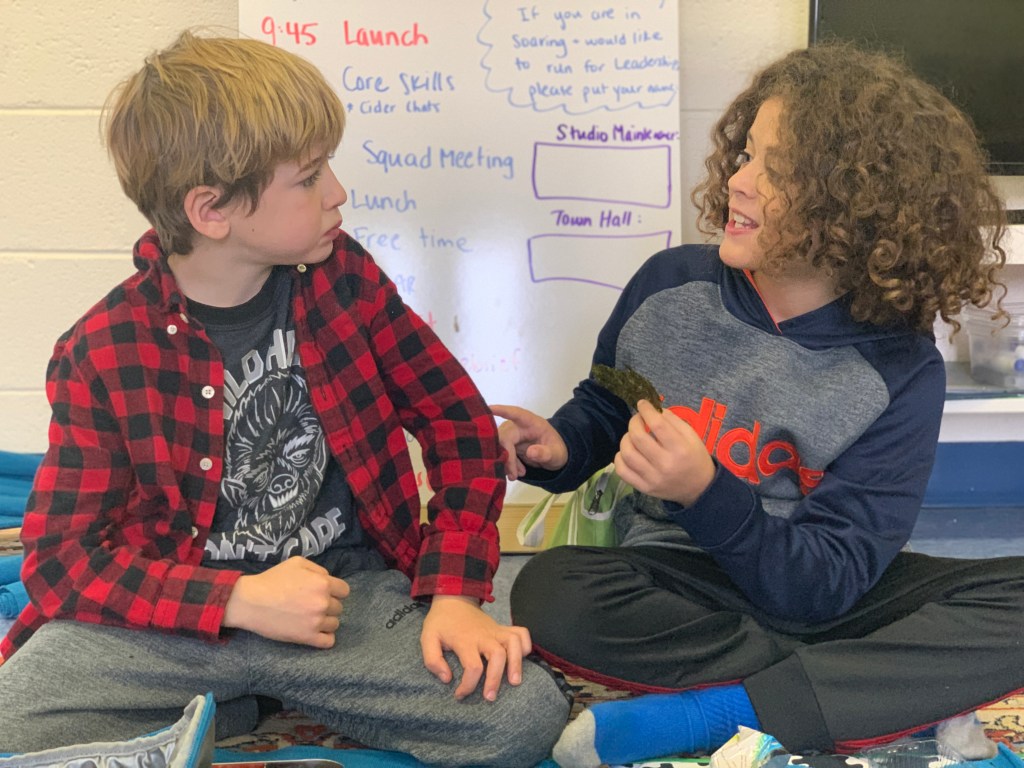
Peers: Our heroes benefit from a mixed age studio and learn from one another. This often comes from observation.One hero has spent months watching others practice reading drawers and is suddenly compelled to finish more than one in a days work cycle after watching and listening to her peers. It also happens through shared interests, heroes have conversations about underwater volcanoes and the tallest mountain ranges. They retain facts that are proudly shared with their friends and delight in sharing information with one another. These types of interactions are built into the structure of the studio.  Informally, children learn from peers by asking questions while watching them work. Another way to learn from peers is through collaborative learning, most project time is spent working together in Spark Studio. Heroes navigate working as a team.

Launches: These 15 minute meetings, led by a guide serve three purposes: to inspire, equip and connect.They inspire heroes by connecting to a challenge, hero or world-class example. This may be a story or a short video clip that follows the curiosity of our young learners. They equip by offering a process, recipe, algorithm or framework that leads to better decisions and habits. Launches may highlight our goal setting process as well as methods for self- regulation and perseverance in the face of challenges.Launches connect by bringing the community closer together through discussions of shared experiences, empathy and similar goals.