A Day in the Life: Session 7 Week 4

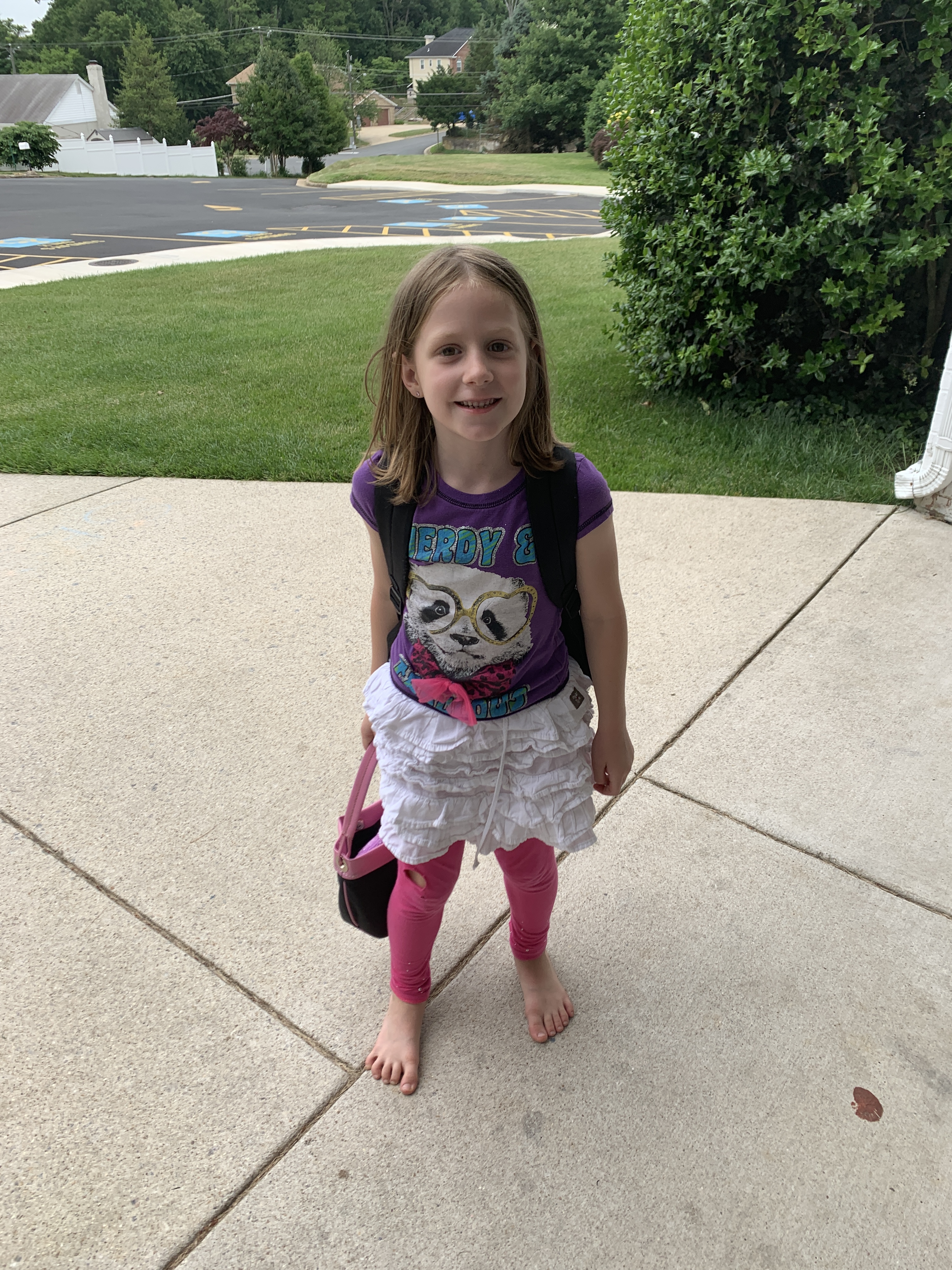
8:30 Each Hero is greeted at the door during arrival.

Good morning!

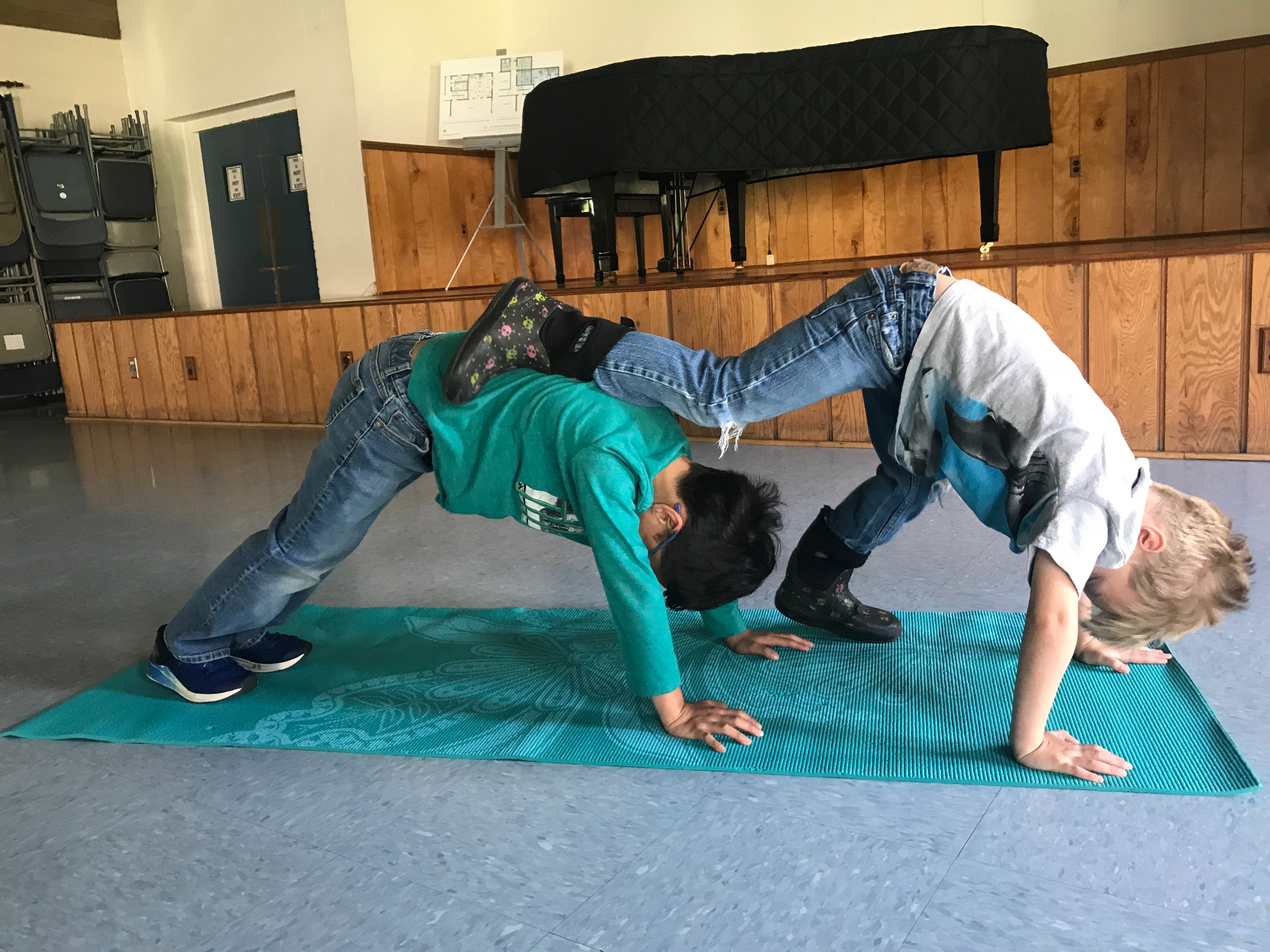
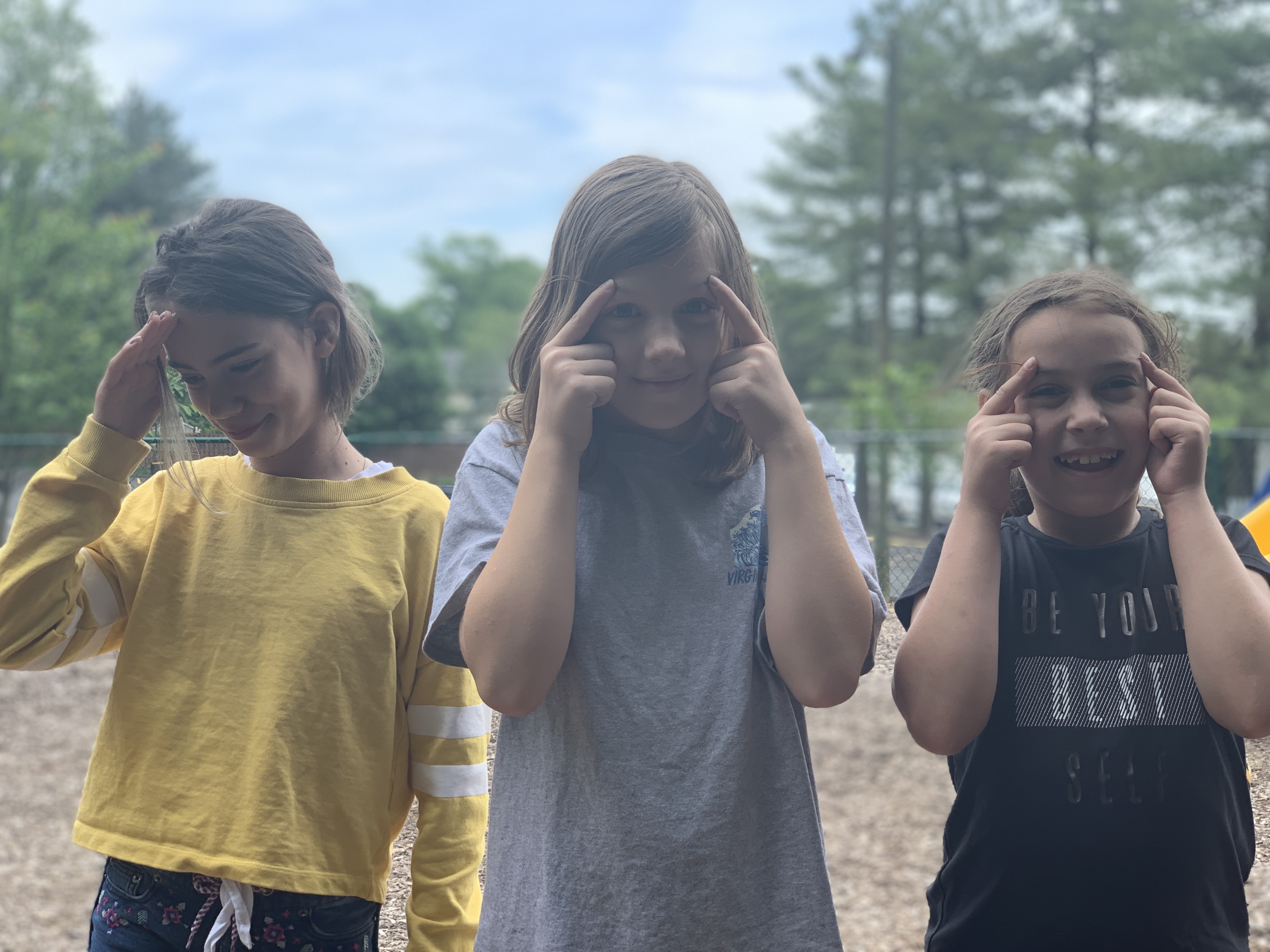
9:00 Gather for Mindfulness. A Hero leads a series of partner exercises.

World-Class Example
Almost there!

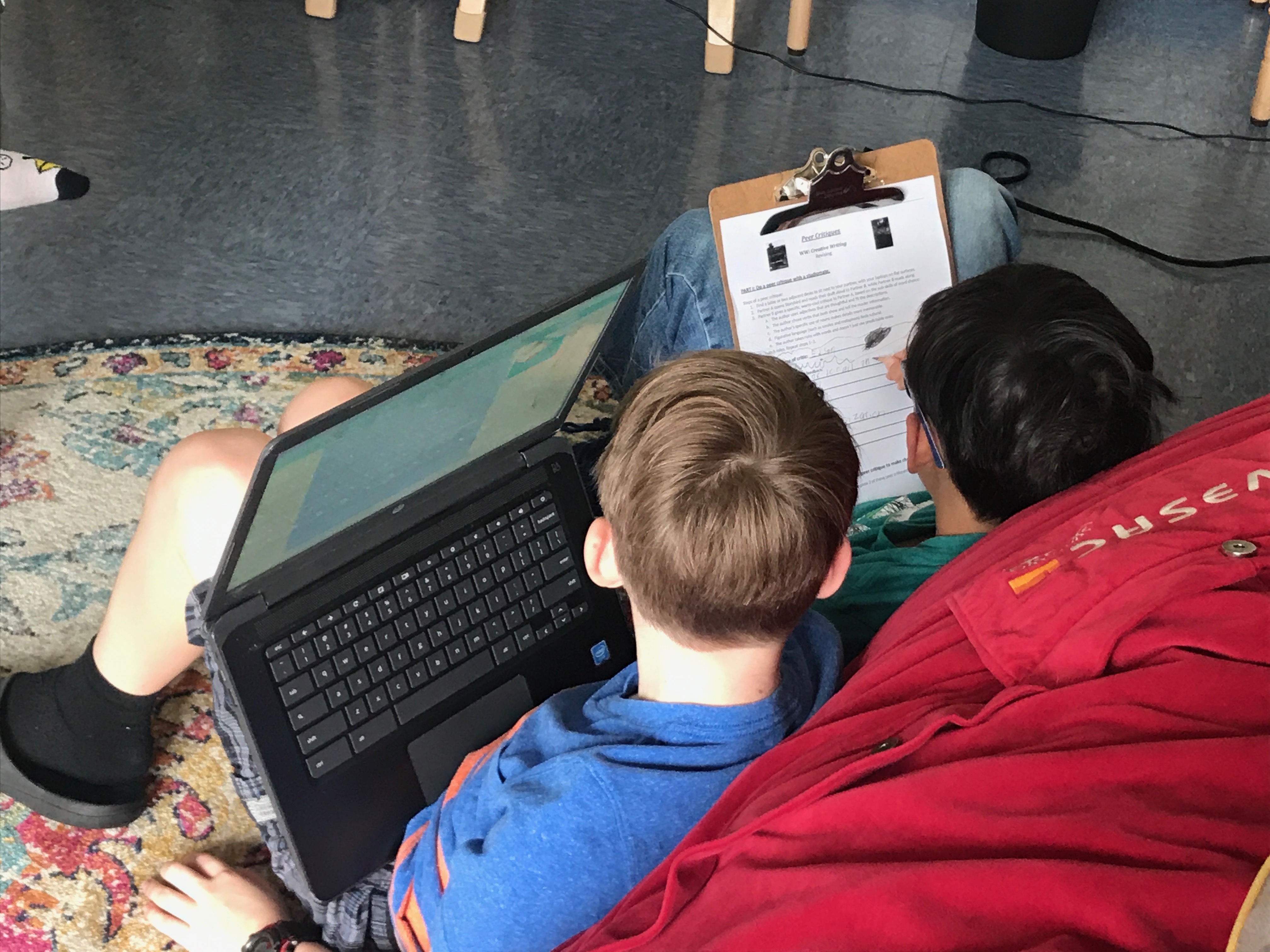
9:15 Writer’s Workshop is off and running. Today, some Heroes are finishing up their first drafts of a story while others are ready for peer critique.

Warm Cool Warm Feedback

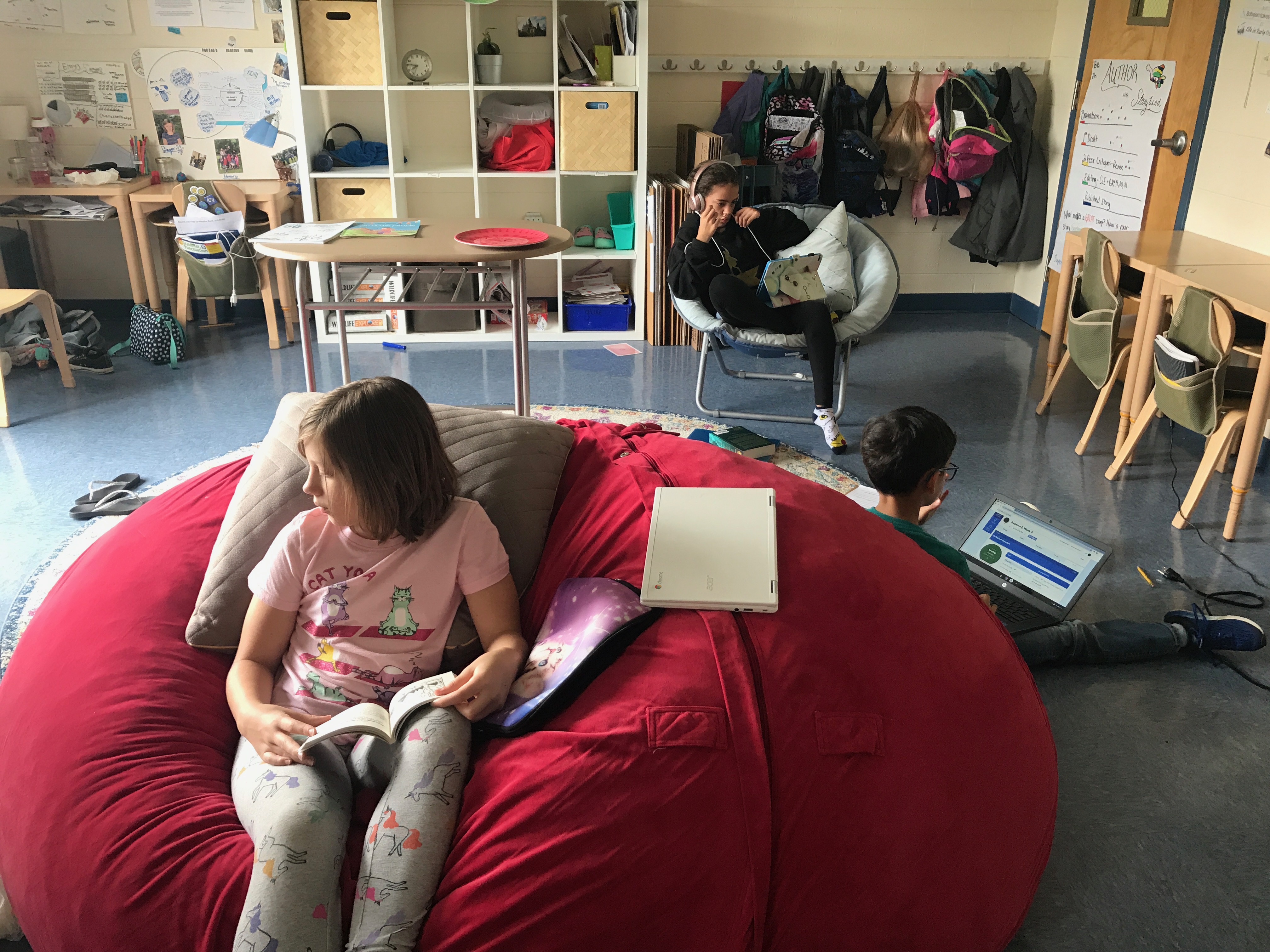
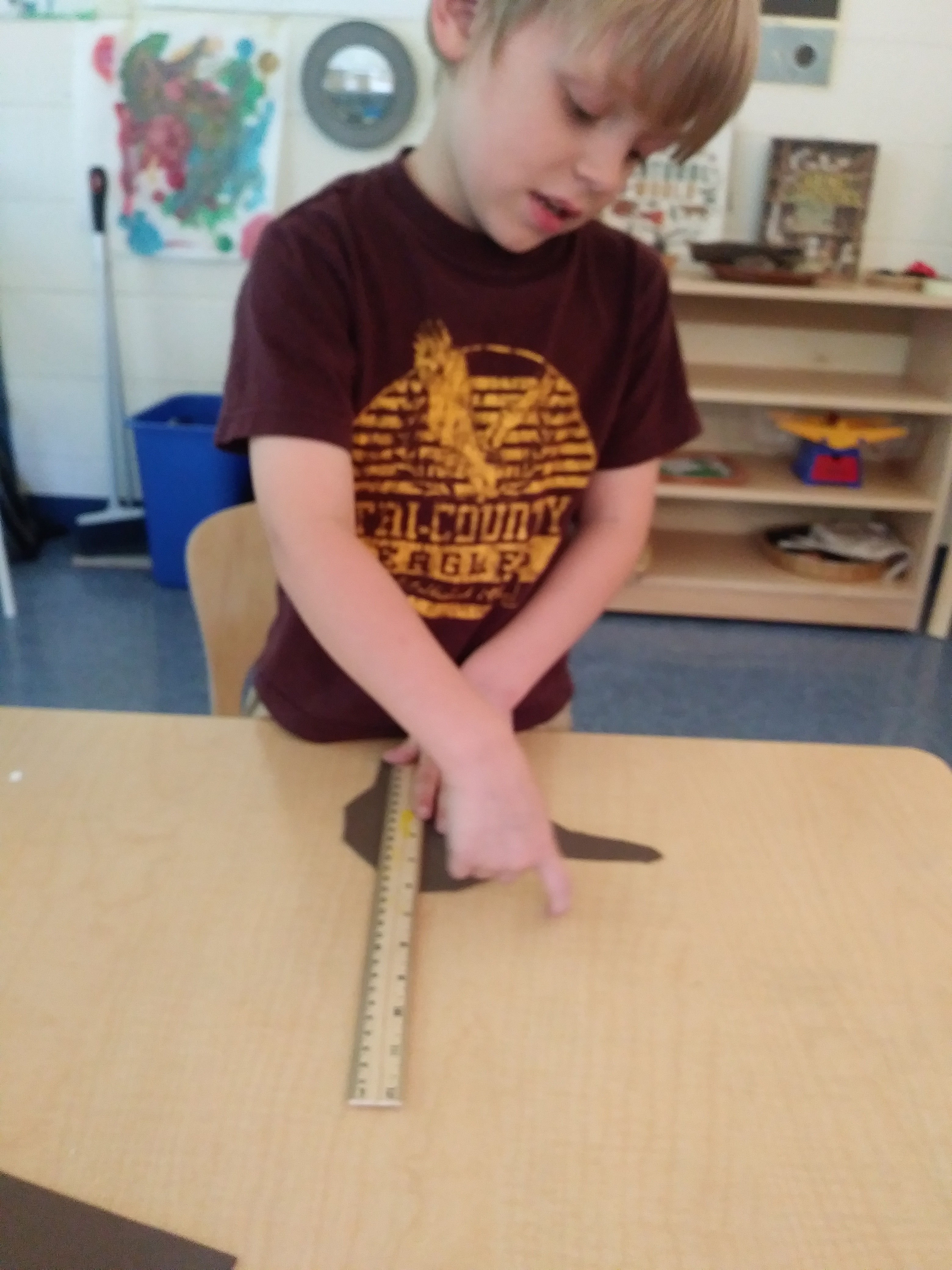
10:45 After a quick brain break, “class” begins! 2 Heroes are reading- one with an audio book and another with a chapter book. Another Hero looks at his work plan and decides what to work on next. Below, 3 different lessons are happening- Level 1 Spelling, Level 2 Spelling, and Level 1 Math. This is an example of our individualized learning in action!

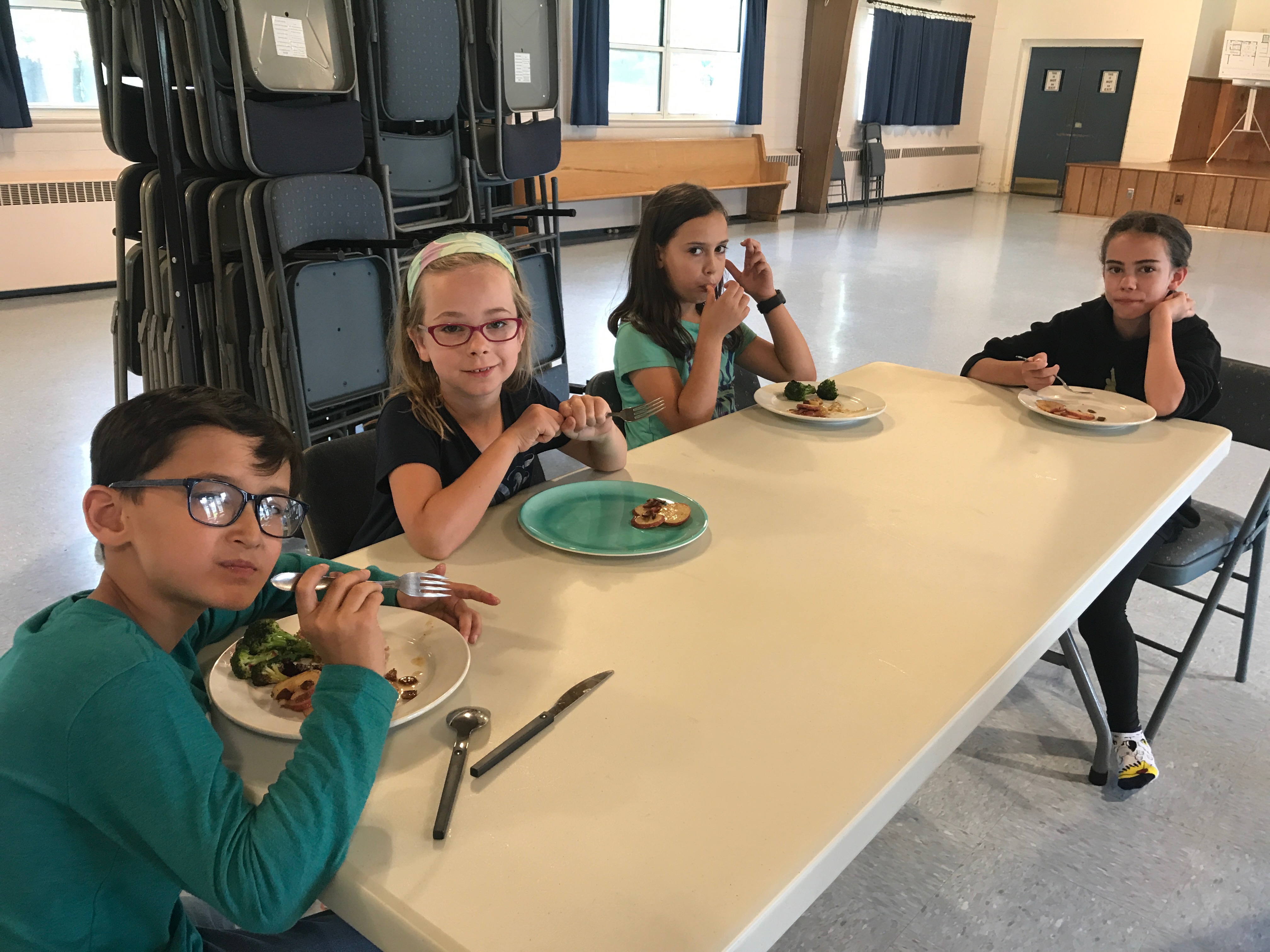
12:00 CSA lunch: connecting our healthy lifestyle program with yummy local food.

Menu: German Potato Salad, Lemon Sausage, and Crunchy Greens

1:00 Quest Launch. This week is Spy Training 101. The Heroes will have to break one code each day, culminating in a final team challenge.

Cracking the Caesar Cipher

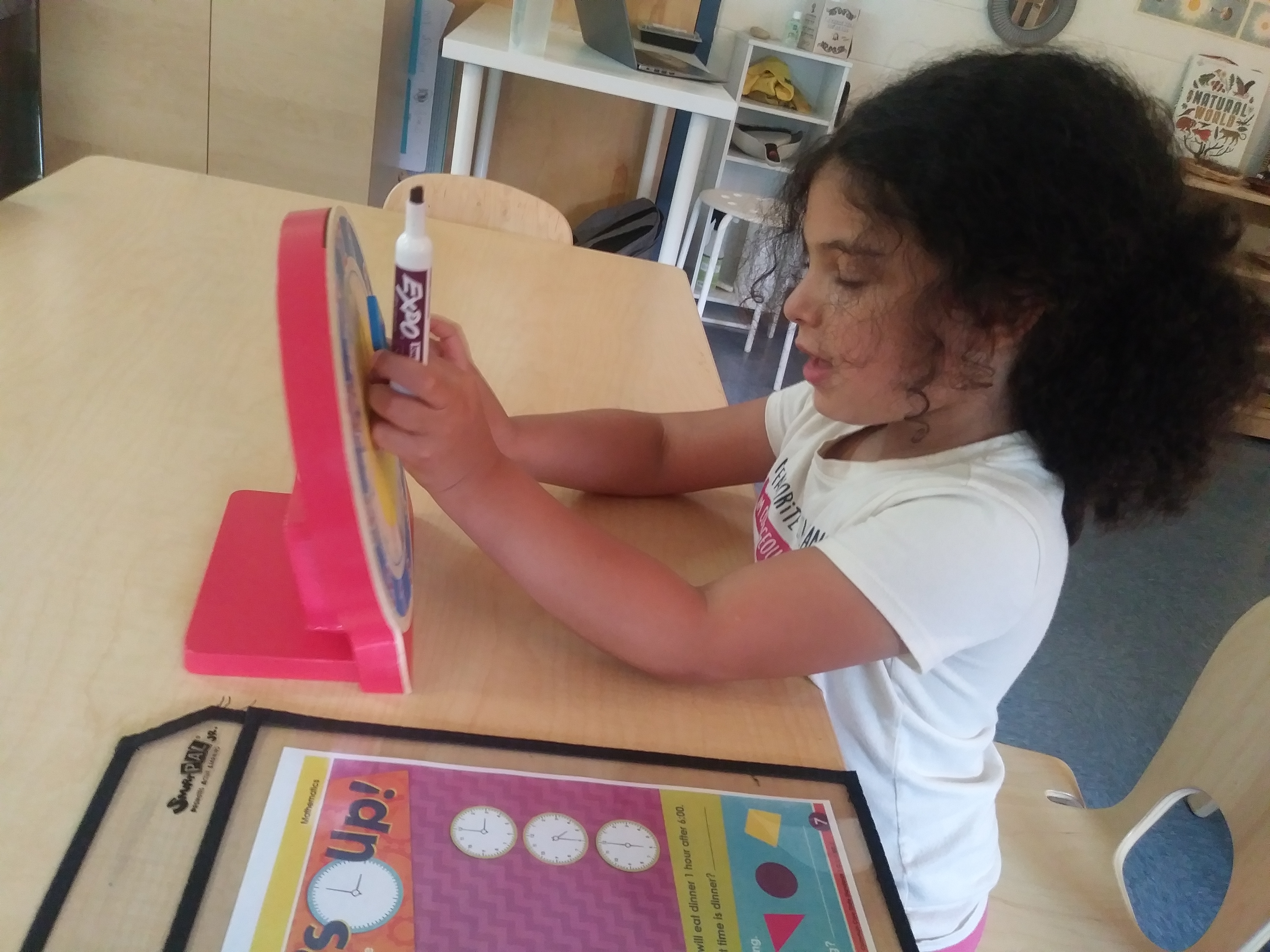
2:25 After another good brain break, it’s the start of Math Power ½ Hour. This is a time for everyone to work on math together. It starts with math facts games and then Heroes switch to Khan, Aleks, or Dreambox.

2:55 Heroes clean the studio because taking care of your space is important.

3:15 After a busy day together, we close with an inspiration, connection, or get equipped for tomorrow.

Namaste!

Celebrating Character: Session 7 Week 3

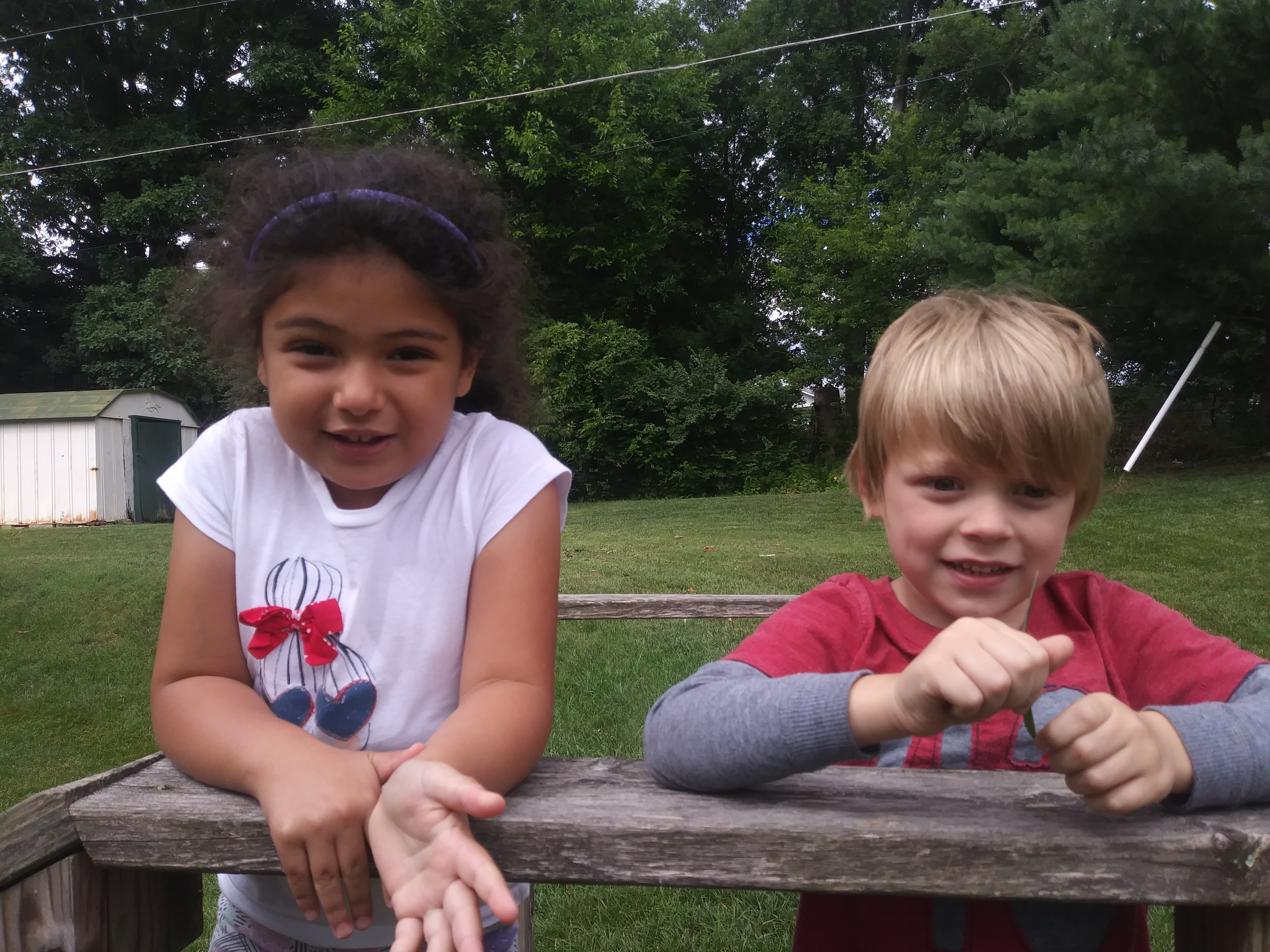
Outdoor exploration
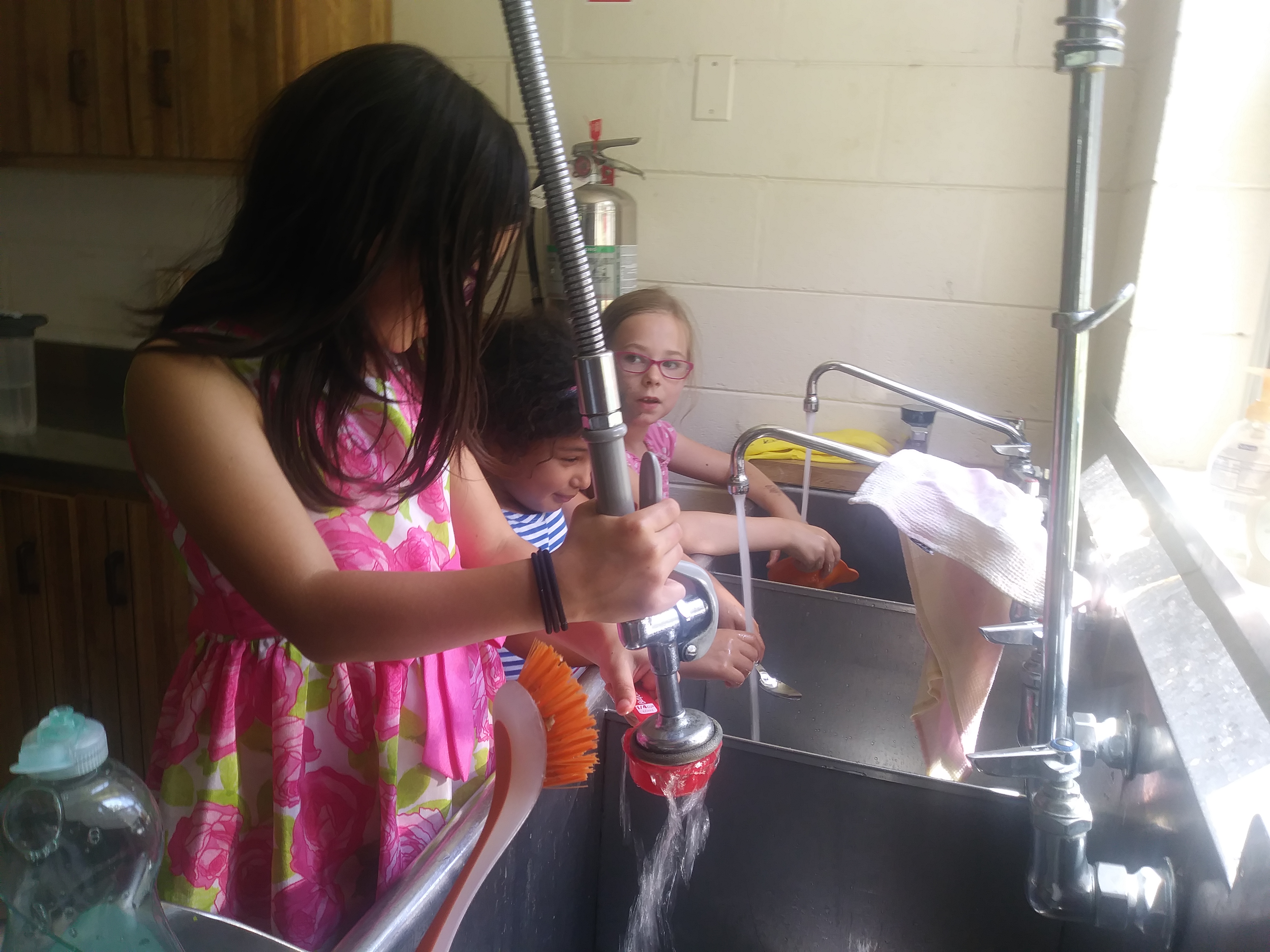
Post celebration dish washing

What matters most in a young learners development? Is it how much information we can stuff into their brains in the first years of life? Or is it, instead, whether they are able to develop a very different set of qualities, a list that includes perseverance, self-control, curiosity, empathy, grit and self-confidence. Some may refer to these as noncognitive skills, psychologists call them personality traits, and the rest of us often think of them as character.

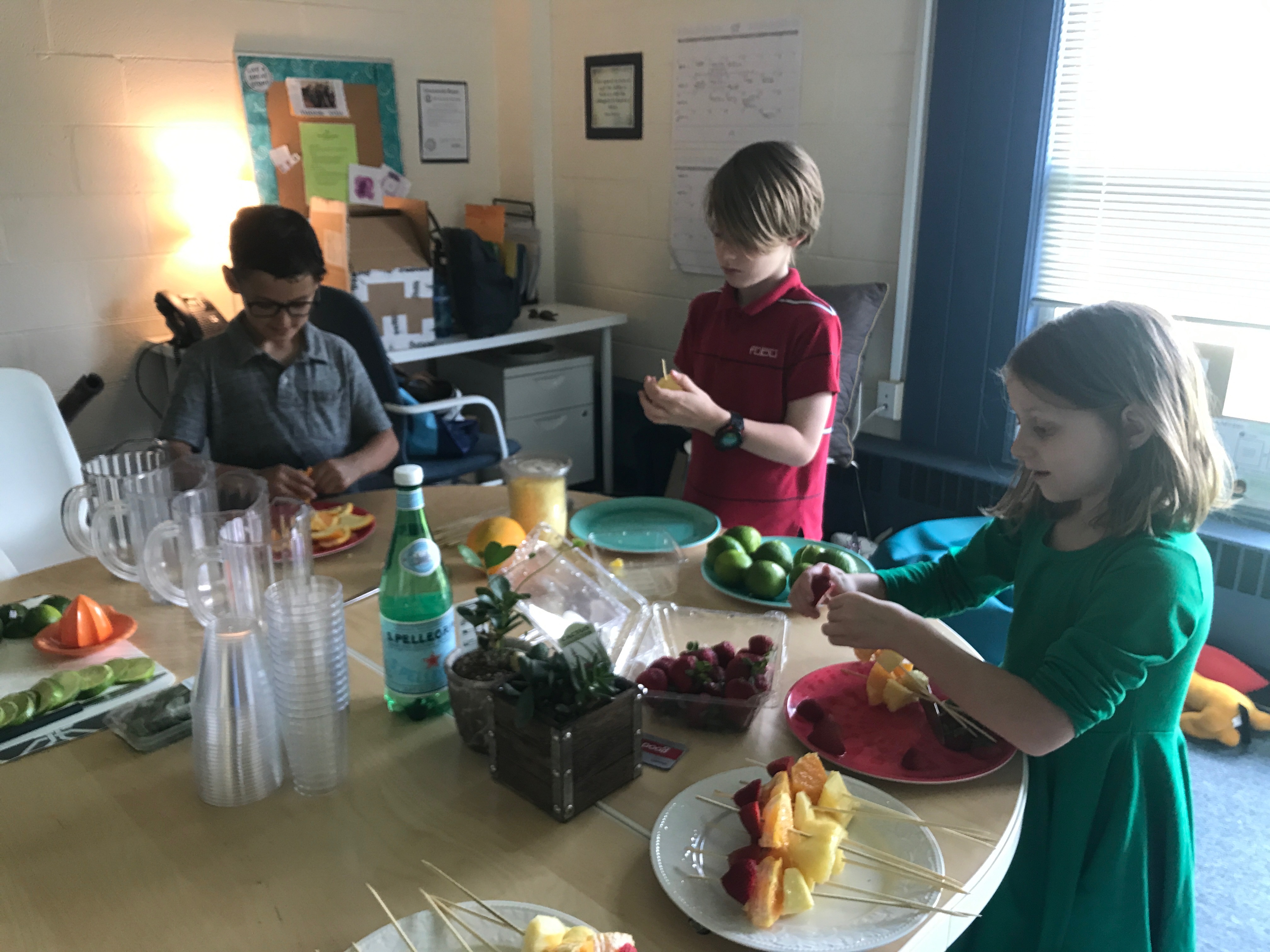
At Thursday’s hero’s celebration our young learners had the chance to reflect on new character traits they had built in themselves. They shared their gratitude with older heroes who aided them in their journey. We heard poignant speeches filled with words of friendship, wisdom and advice. Spark learners showed pride in the challenges they have overcome. As a group they decided that the traits of kindness, curiosity and grit all helped them to achieve their goals. Through giggles and teamwork they put together a snack and refreshing summer drink for all to share and enjoy! The celebration was a moment of pride and reflection that showcased the important life skills the heroes have honed this year.

What does a Hero Celebration look like? Session 7: Week 3

Thinking back to our first Exhibition, I remember how everything was organized at the last minute. The group had trouble deciding who would be in charge and how to divide tasks. It took them multiple days to decorate (and some guide assistance).

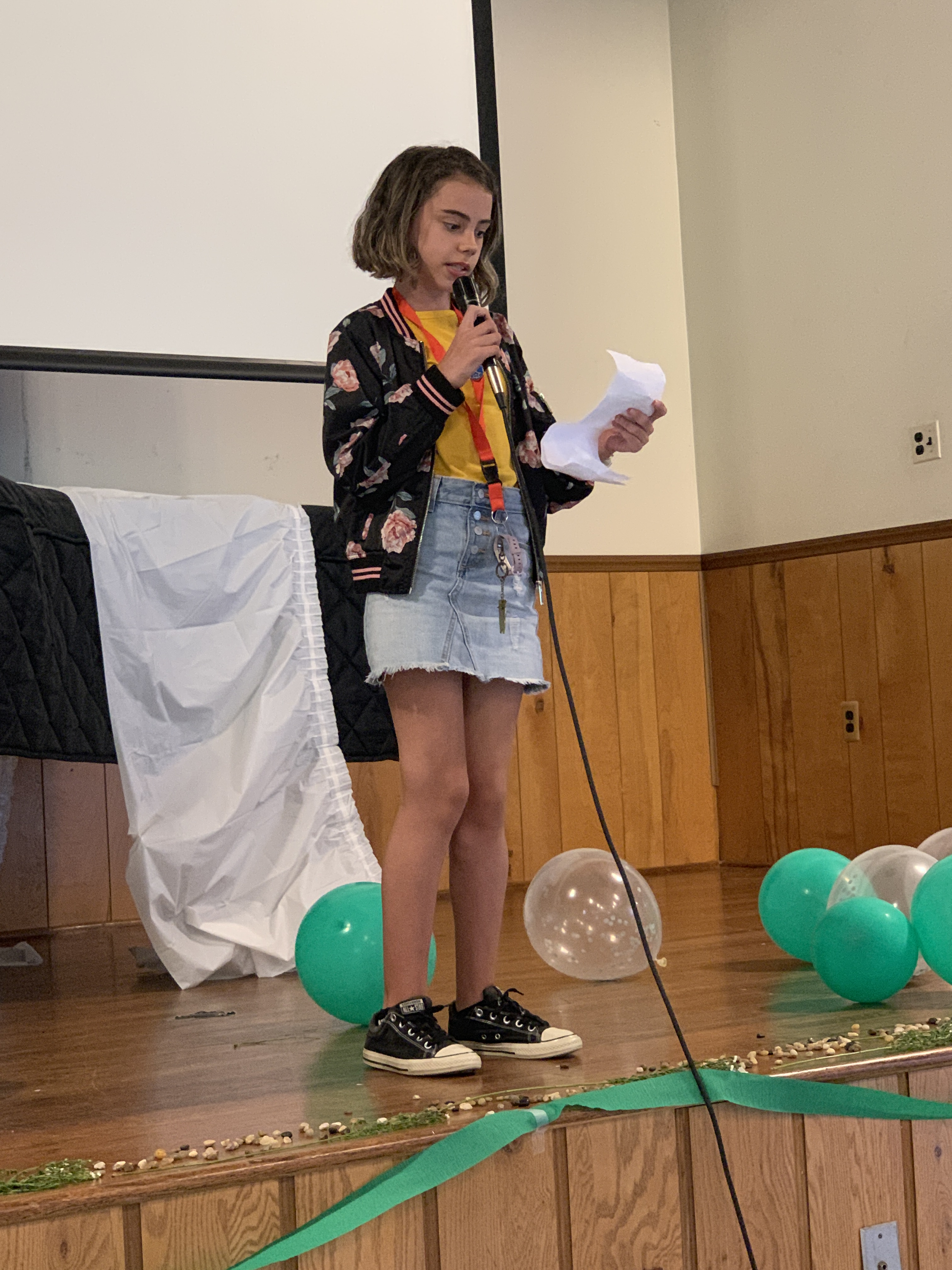
Before this ceremony even began, I knew how much the Heroes had grown, not just individually but as a group. They wrote their own speeches and gave each other feedback. They sent out formal invitations to families. They decided what the theme would be, what kinds of snacks to make, and then made both of those things happen. This event was created by Heroes.

Our youngest Hero leading an important group discussion about set-up
After purchasing all the supplies, the Heroes broke into groups to prepare
The decorating committee blew up balloons and hung green and white streamers
Setting up chairs with the unwieldy chair cart
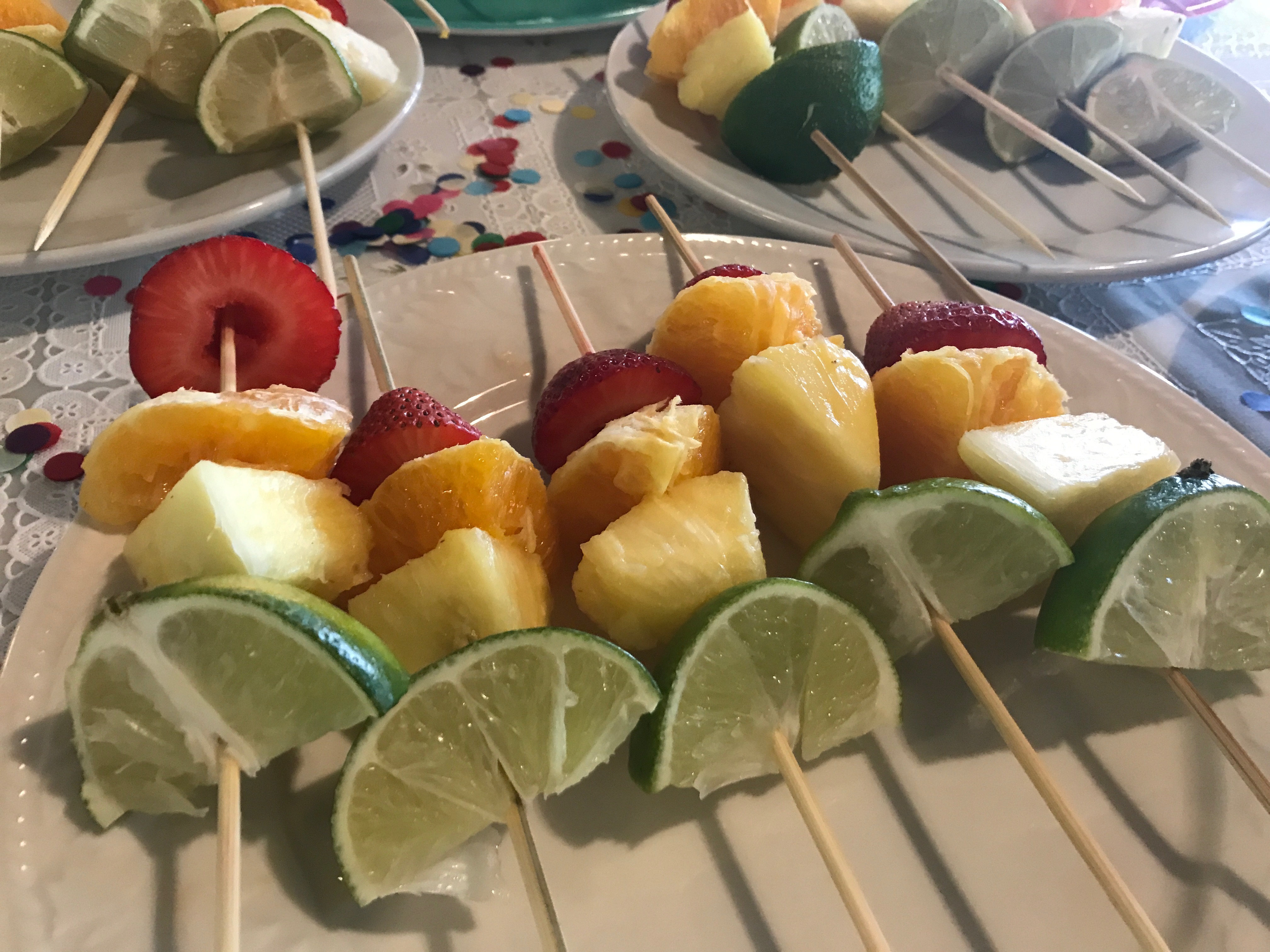
“SLOP” Kebabs- Strawberries, Lime, Orange, and Pineapple
Festive drinks and Ants on a Log from Spark Studio
Sharing the Hero’s Journey of this year
The ceremony begins! Heroes share lessons learned and notable experiences
Each Hero receives a Big Character Trait Rock

The Heroes’ Celebration is a time for reflection. Looking at the achievements of the Heroes from every perspective. We don’t just celebrate badges earned. We celebrate the growth that each badge took to achieve and the everyday experiences that shape you into the person that you are today. To all the Heroes out there, we hope that you continue to grow and flourish on your Hero’s Journey!

Joy: Session 7 Week 2

During an early morning yoga practice as heroes share their intention for the day, a favorite answer was joy. What a beautiful way to start the day, anticipating happy moments that you will encounter. For the heroes, as for all people, there are a situations that can take away our joy. Some of these challenges are necessary to learning and growth and lead to deeper joy and even more meaning.

For many adults, in the journey toward our goals, we can often get caught up in comparison and expectations that really thwart progress and ultimately steal our joy. Too much comparison, too much worry about keeping up with a “standard” or fitting in – no matter what we are trying to achieve will stifle growth and individuality. It also makes everything much less enjoyable.

The heroes feel less of this comparison. They hear the message that everyone in our communities has different goals and things that they are working on. Each hero has the freedom to work at their own pace. This doesn’t mean that everyone gets a trophy and that it is acceptable to give up when things get tough. We are a community that values perseverance and doing the very best that you can do. The hard work, accountability, and resilience that heroes show is rewarded.

For our learners, challenges often come when things don’t go as they hoped or when they aren’t meeting standards they have set for themselves. These moments don’t look like joy, they look like big tears of frustration. While it is tempting to come to the rescue and try to alter natural consequences or re-adjust someone’s standards, this wouldn’t actually help. When small failures and hard moments are allowed to occur the result is growth and self improvement. The next day the frustrated hero will come in with a new outlook or plan to achieve that high standard or to avoid that mishap. When they do, the joy is back and this time, even bigger!

Changing the Context

By Lauren Quinn, Co-Founder & Head of School

“Who we are at any one time depends mostly on the context we find ourselves.” -Ellen Langer

Context is defined as “the interrelated conditions in which something exists.” This idea of context and identity has always fascinated me, but never more than this year as we began the adventure of changing the context of school for a small group of 5-10 year olds.

My guiding question: What happens when we change the context of learning? If the conditions (the rules, the environment, the narratives, the roles of individuals) change- what then happens to the individual learner?

Of course, our team was equipped with the stories of those who went before us, from founders Jeff and Laura Sandefer, who pioneered the very first Acton Academy a decade ago, to our network colleagues who had launched their schools in the years prior.

We were confident in what what we were offering families. Even on the challenging days- and there have been many, we have never doubted that the learning environment, context, or “interrelated conditions” of which our young heroes find themselves in every day, is one designed for human flourishing.

As our inaugural school year comes to a close, we have many stories of our own now- stories of young humans flourishing. I’ve been incredibly privileged to witness the remarkable things that happen when we throw out the traditional, compliance-based model of education and introduce a learner-driven model designed to empower. Below is a story of one remarkable young learner in our community.

One of our 8 year old heroes entered the school year with three tumultuous years of traditional school and all of the typical behaviors of what one might call a twice exceptional child- impulsive, emotionally explosive, hyperactive, and highly distracted- all typical of a learner diagnosed with ADHD and, at the same time, highly gifted (by academic standards). He expressed not feeling like he “fit” anywhere and that no one understood him. He hated school and had developed a general distrust of teachers/educators.

His parents had tried medication, at the pediatricians recommendation, for a brief time but had stopped when they saw a concerning shift in mood. In the first month of school, he earned three strikes for his impulsive behavior and had to stay home for a day. In the second month of school, he exhibited greater self control and was far less argumentative with his fellow heroes. As part of our learning design, he was provided both warm and cool feedback from his peers at the end of each session. Though hard at first, he took this constructive feedback to heart and began to thrive in a system of peer accountability, choice and freedom. His parents let us know, at the advice of another Acton parent, they also started him on daily magnesium and zinc supplement.

By the fourth month of the school year, the changes in this hero were remarkable. His general demeanor had changed. He appeared visibly happy, with a peace about him. In this new learning environment, he was free to walk in circles while thinking or walk outside the studio doors and run a few laps before coming back to his work, refreshed. He was able to climb trees and dig in the dirt and just BE. We watched as he was able to focus for longer and longer periods of time- largely in part because he was finally able to work in his individual “challenge zone” and on things that interested him.

Ultimately, what we witnessed, was a young person- free from the constraints of an adult trying to manage him, control him, or even tirelessly engage him with what they deemed as important- who was now empowered. No longer a passive recipient of his “schooling” experience, he was honored as a co-creator, a maker, a hero by his own right. It was as if an enormous burden had been lifted.

He sensed the shift and was grateful for it. Halfway through the school year, he wrote our Elementary Guide a heartfelt letter, thanking her for “showing up each day and guiding him on his hero’s journey.” His parents said, not only did he write this at home unprompted, but in years past he had expressed anger and even tears when asked to write his teacher a thank you note. This to me is a stellar example of what happens in an environment of mutual respect.

Now, at the tail end of the school year, this young learner is hardly recognizable from the child we knew in September. He exhibits a pride in himself, in his abilities, and our school- even more so perhaps, because of where he’s been and what he’s overcome to get here.

The verdict is out- the shift in context is everything.

Why time? Session 7: Week 2

“We are at our very best, and we are happiest, when we are fully engaged in work we enjoy on the journey toward the goal we’ve established for ourselves. It gives meaning to our time off and comfort to our sleep. It makes everything else in life so wonderful, so worthwhile.” -Earl Nightingale

At open house on Wednesday, a prospective parent asked me an interesting question. “Why does the time matter so much?” It is a great and often pondered question. The answer is that time, and the way we treat it, is essential to our community.

Enjoying the beautiful weather

Time is our most valuable resource. We can’t buy more hours or reuse days passed. I promise to value the Heroes’ time by starting each launch exactly on time (the exact second). It respects the people who are on time, and reinforces punctuality. I promise the Heroes that a launch will not exceed 15 minutes. In fact, they can get up to leave if we go over 15 minutes. This practice emphasizes that the Heroes’ time is valuable. The work that they are doing (and the time it takes) is important. When someone values your time, it is a strong affirmation: you are valued as a person.

Teamwork is essential when building marble roller coasters

Timing is necessary for a second reason: everyone has choices. At the Village School, we accept that we are on a hero’s journey. That means that you have the freedom to choose, and those choices have consequences. A hero may run to get water just before a launch and return 5 seconds late. The consequence of that choice is that hero is asked not to participate in the launch. A hero may be working on an assignment and not be keeping track of the time. We would call that a passive choice because the hero could have taken action, like setting a timer or wearing a watch. You can choose to be on time.

Hands-on design challenges develop an engineering mindset

People say, “Life happens!” That’s true- our adherence to punctuality may seem borderline neurotic. And yet, Heroes know that great responsibility comes with great freedom. It is better to fail cheaply with responsibility when the consequences are small. Then you have more experience for next time. You know more and are equipped with better strategies. Overall, this mindset reinforces a Hero mentality: you happen to life, life does not happen to you.

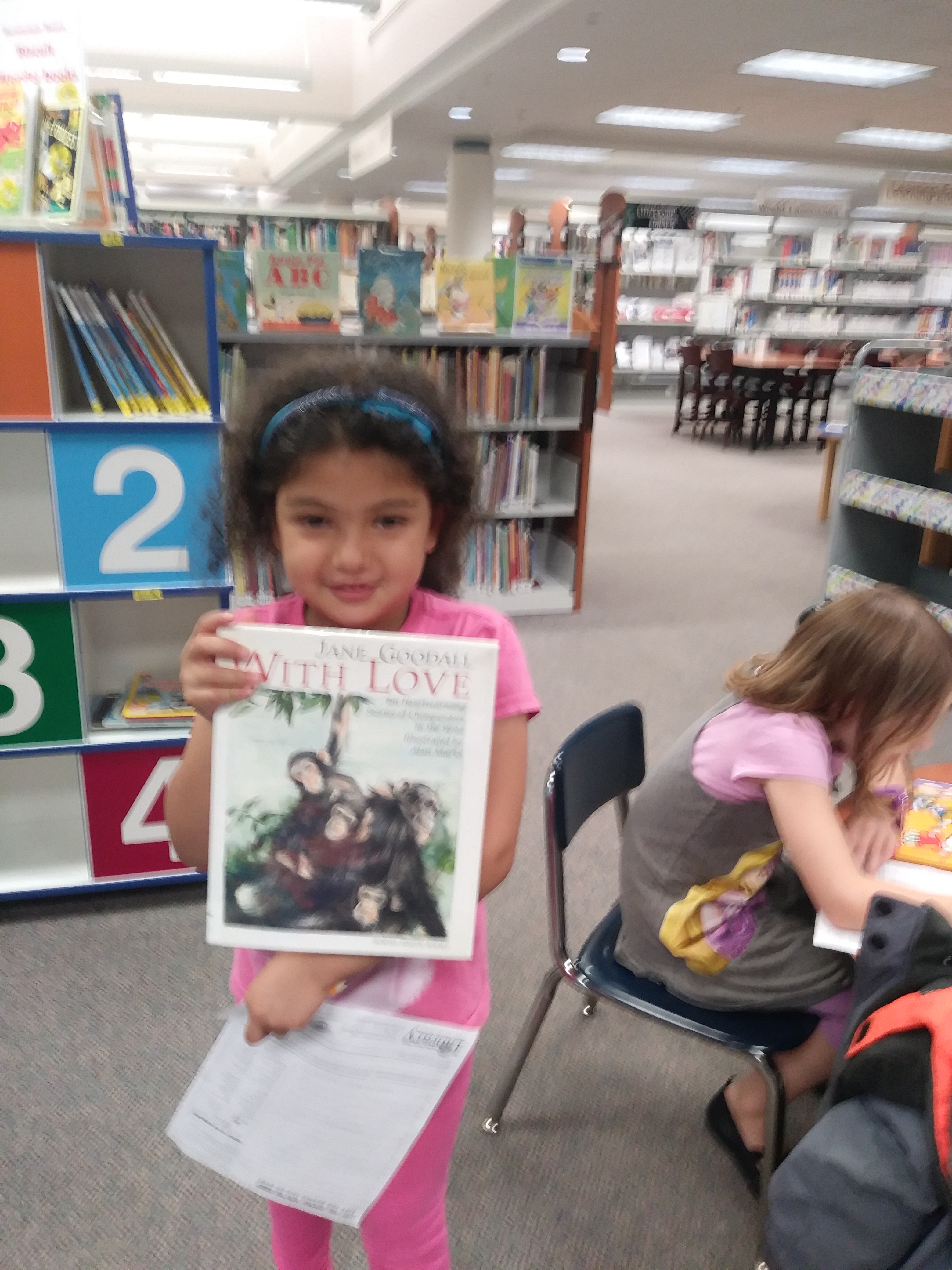
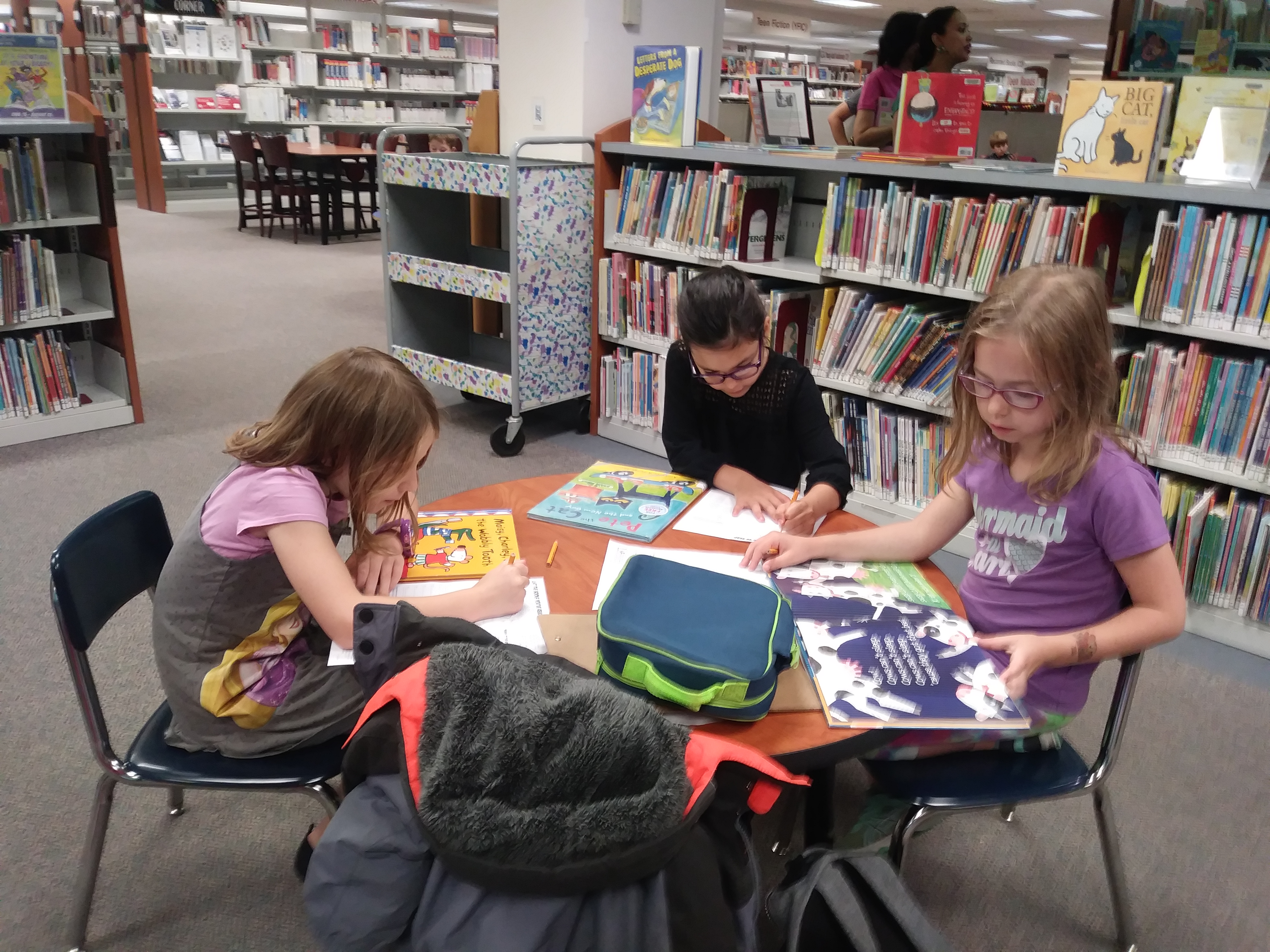
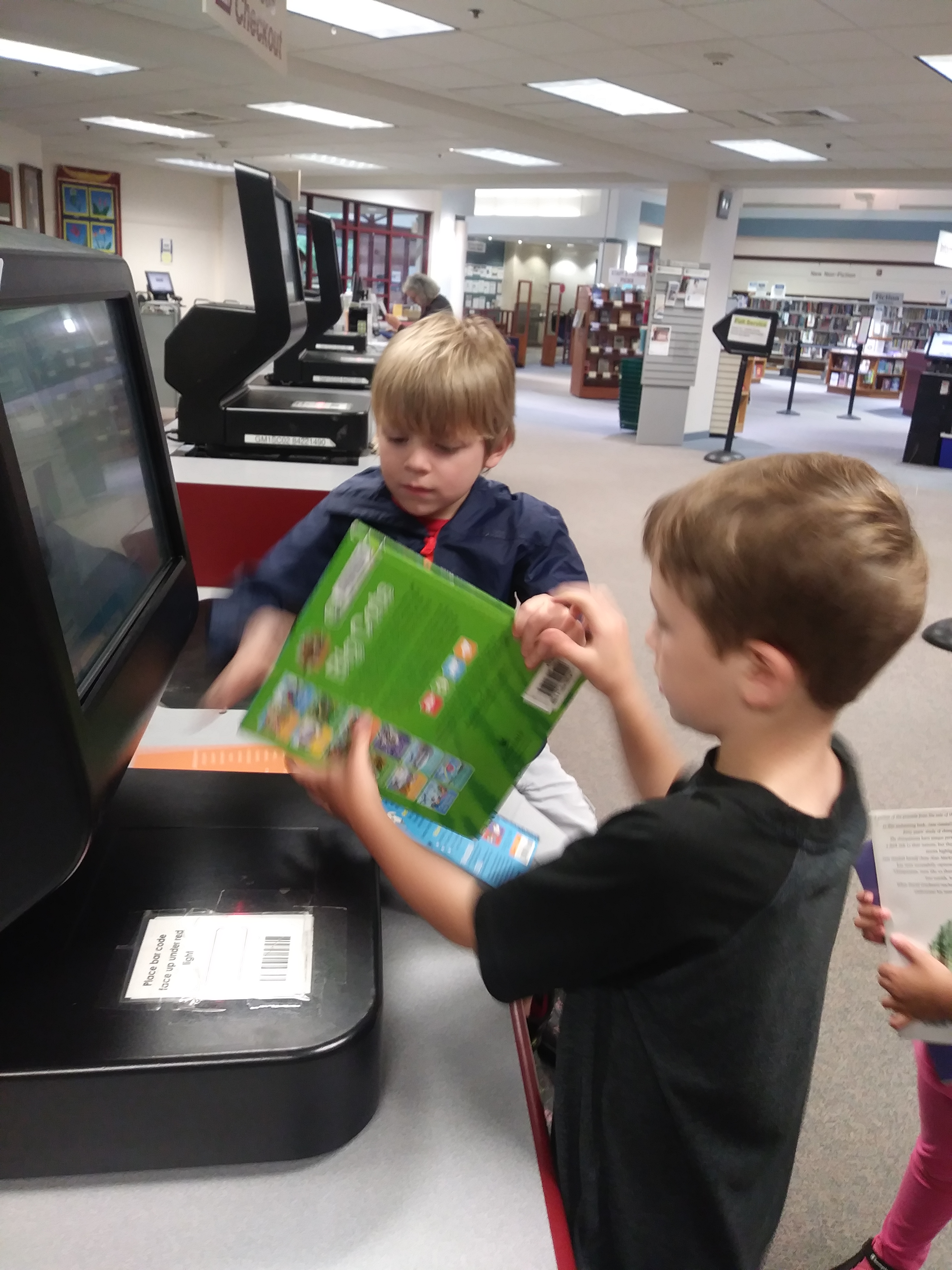
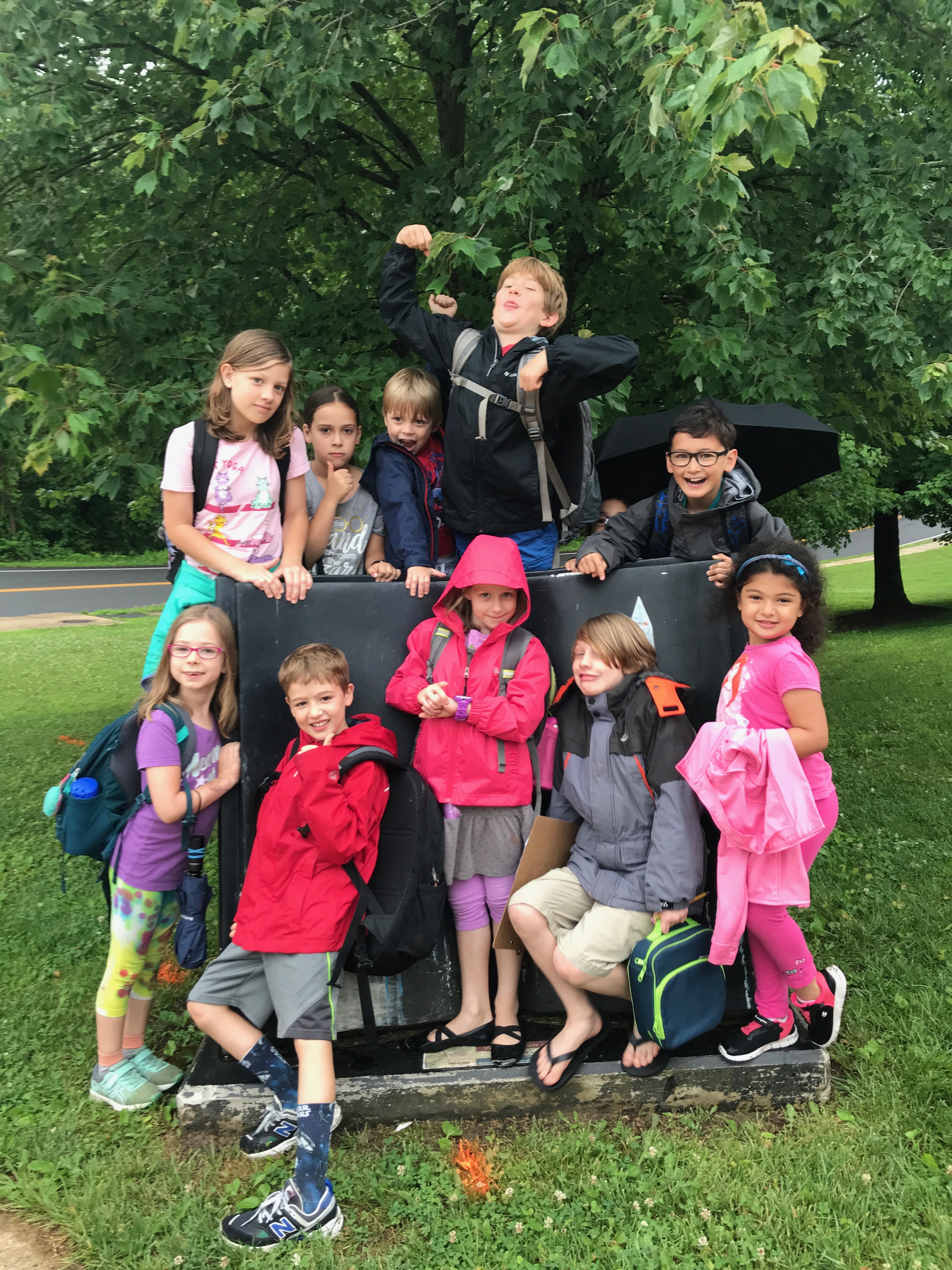
Research trip to George Mason Library!

You have a calling and you can change the world.

Sharing Your Voice. Session Seven: Week One

How do you inspire curiosity in a young learner? How do you instill the idea that what they share and give can impact the world in a profound way?

Our launches often include hero stories and picture books that feature beautiful illustrations. I find children’s literature to be a perfect combination of art and meaning. Our spark studio heroes grow particularly fond of certain authors and illustrators so I collect the books in a series and our emergent readers delight in knowing words they didn’t before. As we read the books by Peter H Reynolds like The Word Collector, I Am Peace and today’s story Say Something, the familiar drawings seem to resonate and the brevity of the author allows room for interpretation and discussion. Heroes identify times when it is hard to share your voice, like when you are frustrated or your friends are not playing the way you like. When asked what methods they use to share ideas they decide that thoughts can be shared through words, actions, and pictures.

After hearing hero stories our learners feel inspired to share their own. They delight in illustrating tales and have time and space at closing to share stories that they invent. They write about the topics they feel passionate about and places they want to explore. Our heroes observe problems in their day to day lives and confidently articulate changes they would like to see during our town hall meetings. All of this serves as practice for being citizens of communities and having an impact on the world they live in. As a 5 year old hero poignantly commented “talking is a really powerful way to move people.”

Curiosity: Session 7 Week 1

How did each state get its name?

What happens if evil elves take over the universe and a team of kittens and rabbits has to stop them?

How did the Greek alphabet arise?

One final question- has your curiosity been sparked? Welcome to the start of Session 7! Here are all the ways our Heroes are getting curious this session…

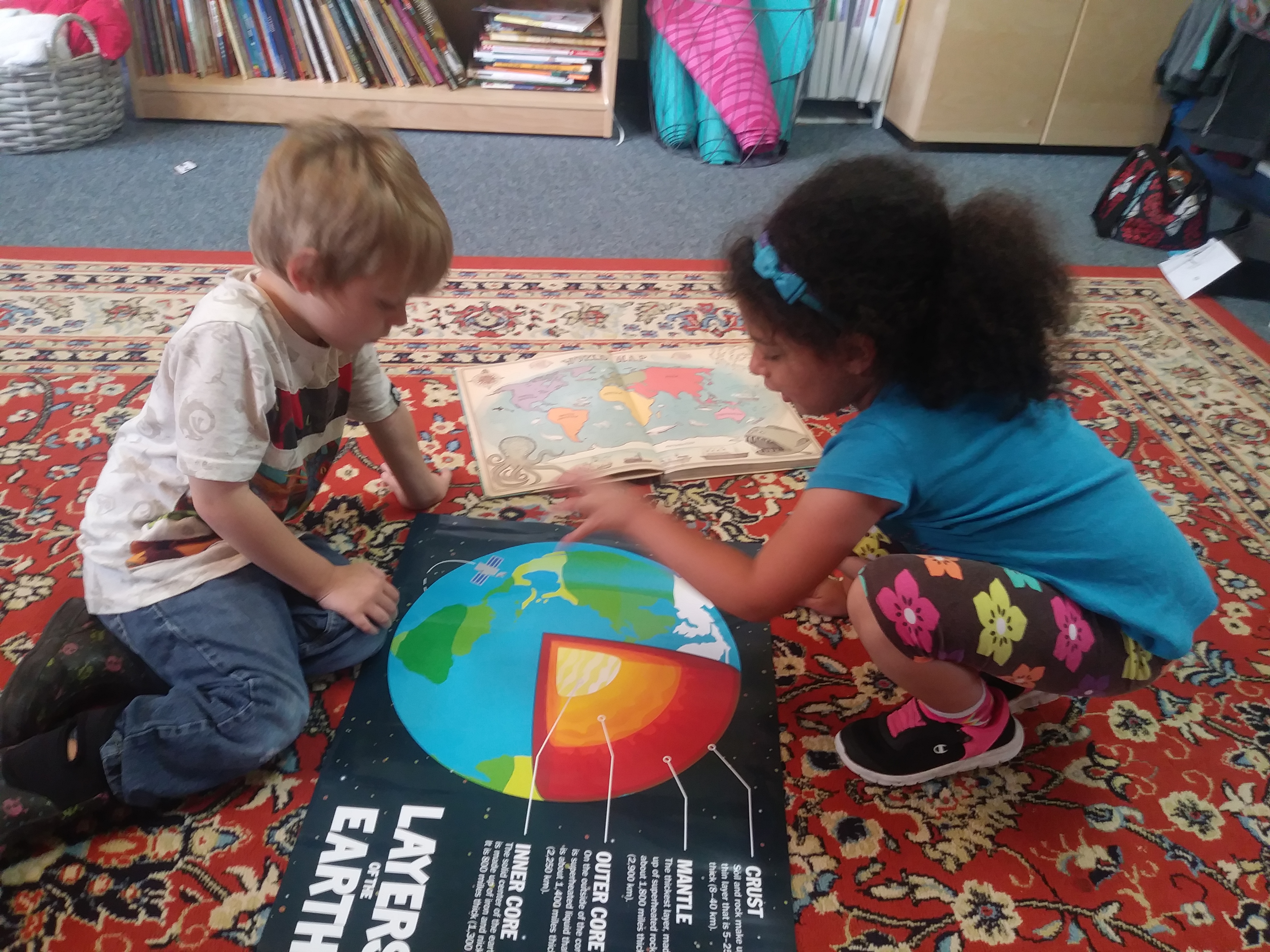
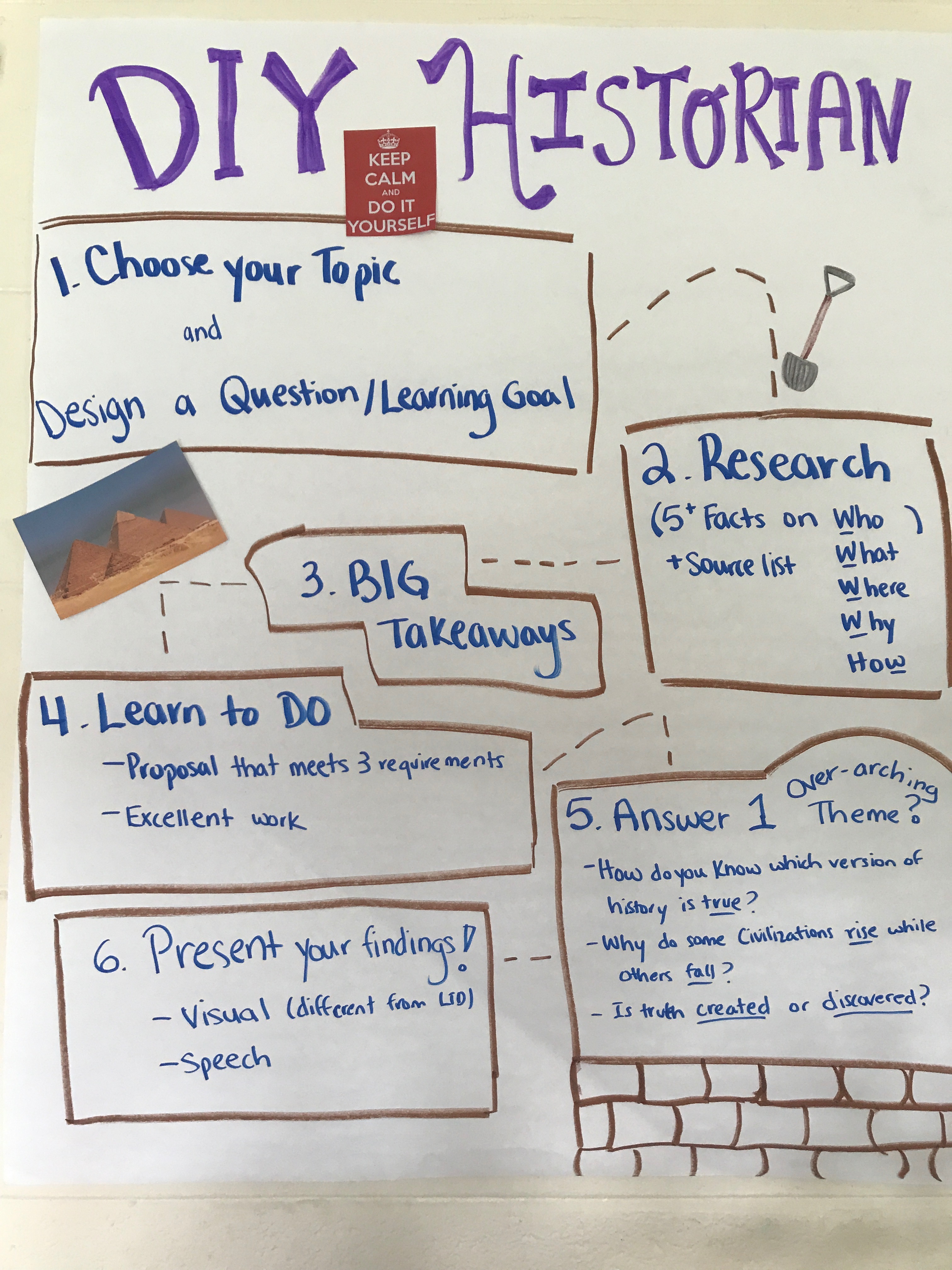
Civilization is a “DYI Historian” project (or in other words, Hero-driven research). This week, the Heroes explored the connection between the South Fork and Los Angeles dam failures and answered the question, “Does history repeat itself?” Then they devised their own questions to research, like “Why are minor Roman gods called ‘minor’ if they actually have big impacts?” and “How did the letters of the Greek alphabet get their names and shapes?”.

The research path

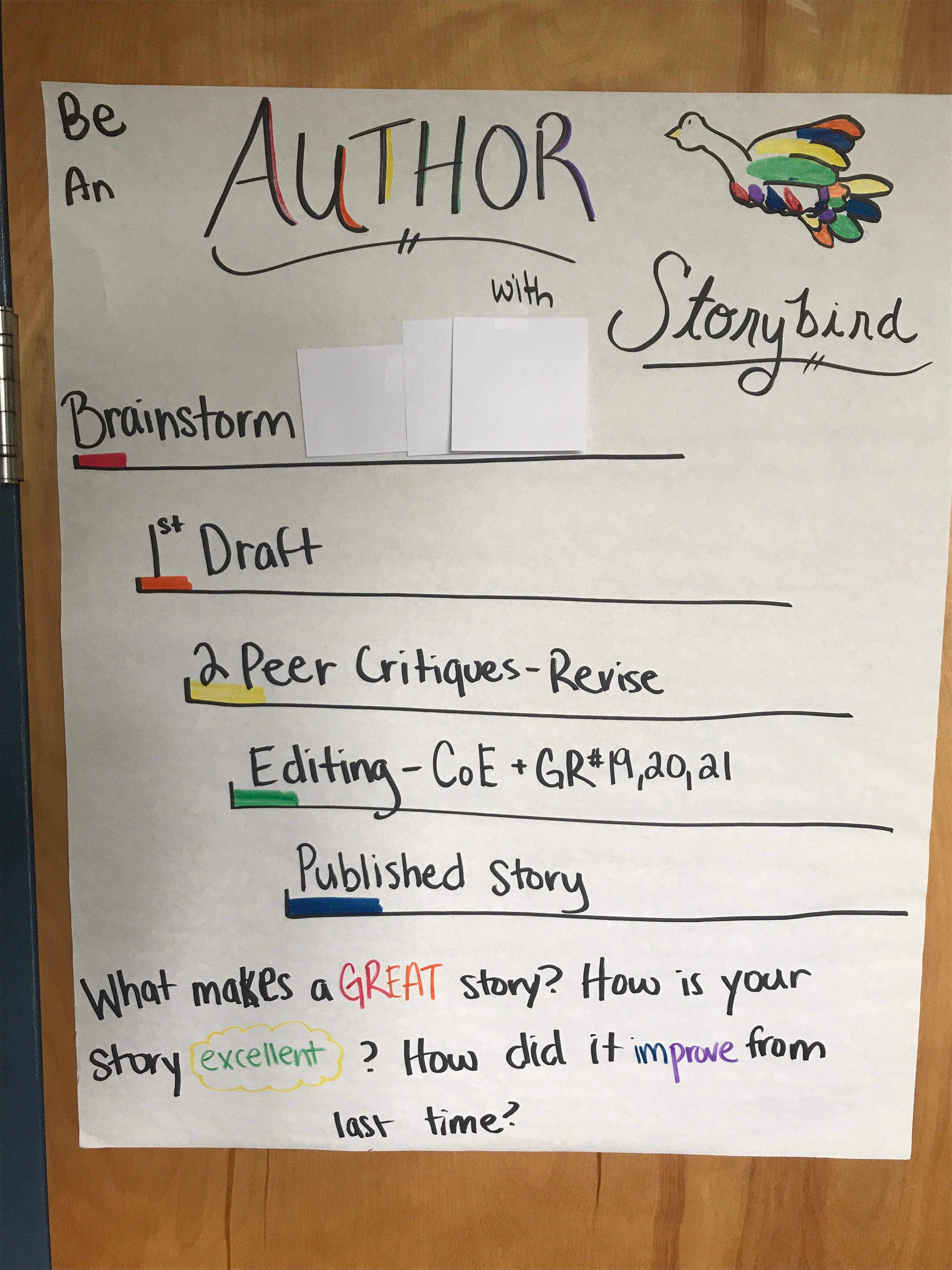
In Writer’s Workshop, the Heroes are taking on the role of children’s book authors with a twist- the illustrations are already drawn! They’ll be using an online program, Storybird, to piece together their stories. Today, we talked about Freytag’s Pyramid (or a useful way to develop your plot). Ask your Hero if it is similar to the Hero’s Journey! Many Heroes already had a multitude of ideas and have spent hours drafting.

Tracking sheet for Writer’s Workshop

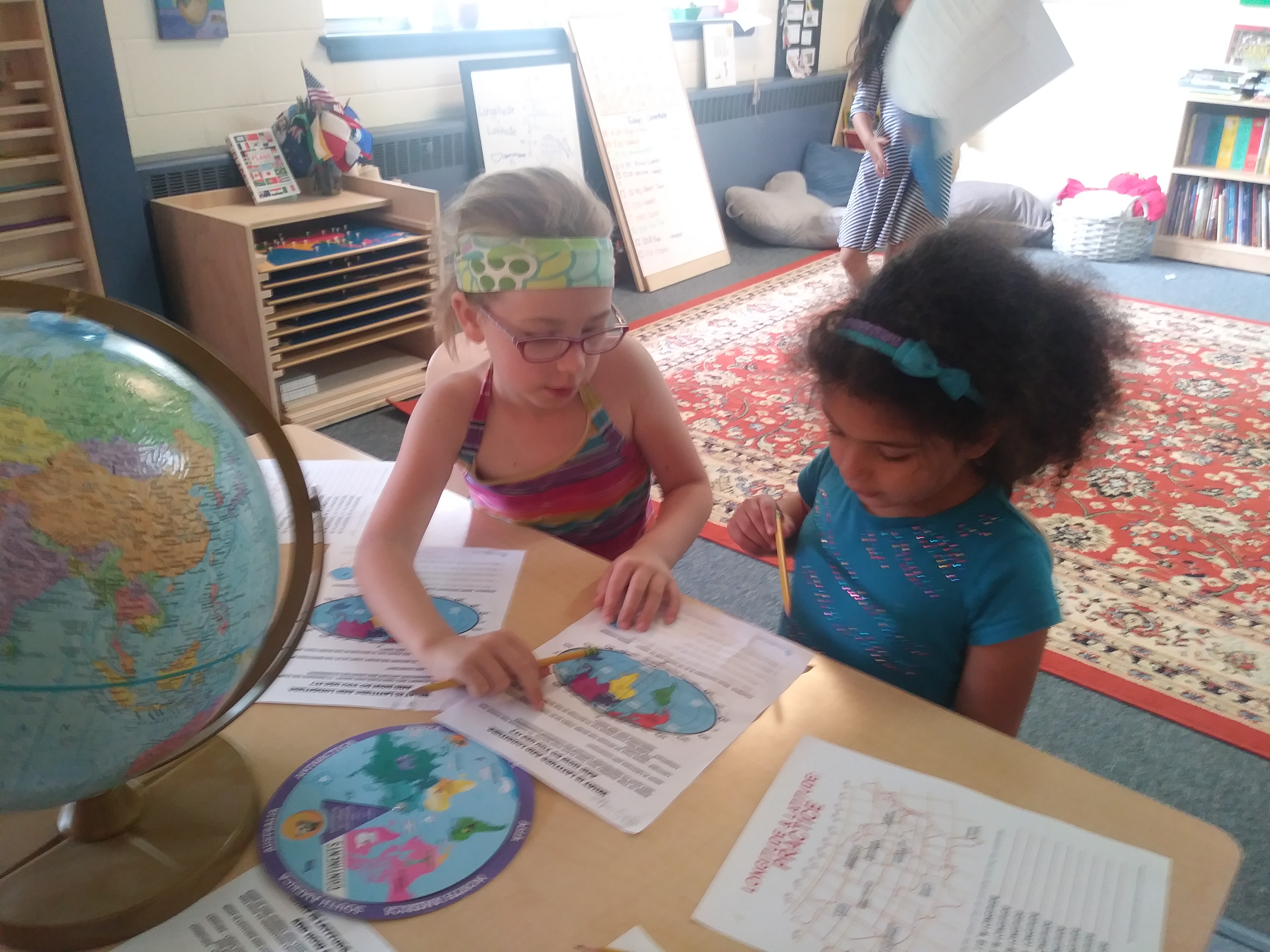
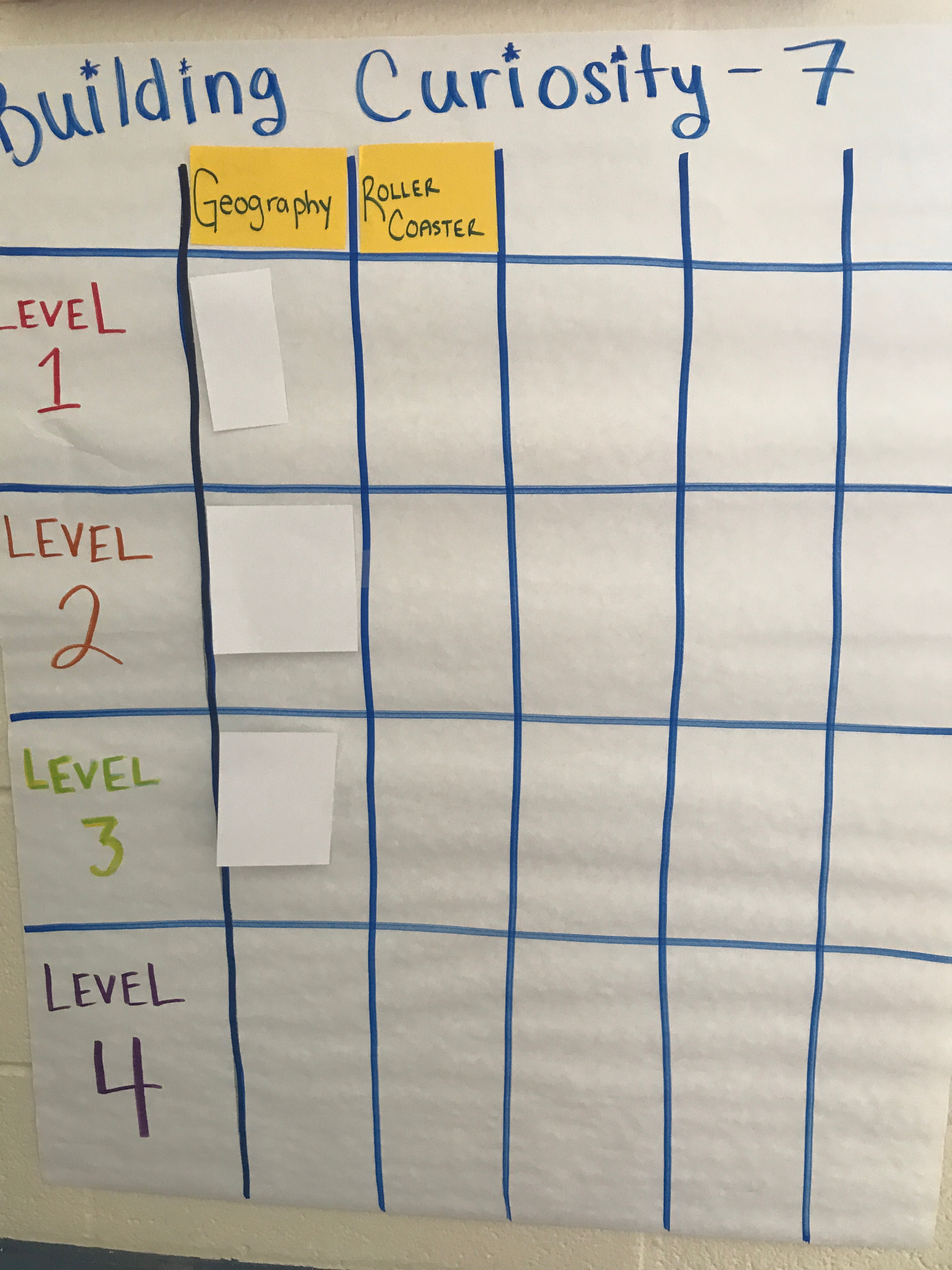
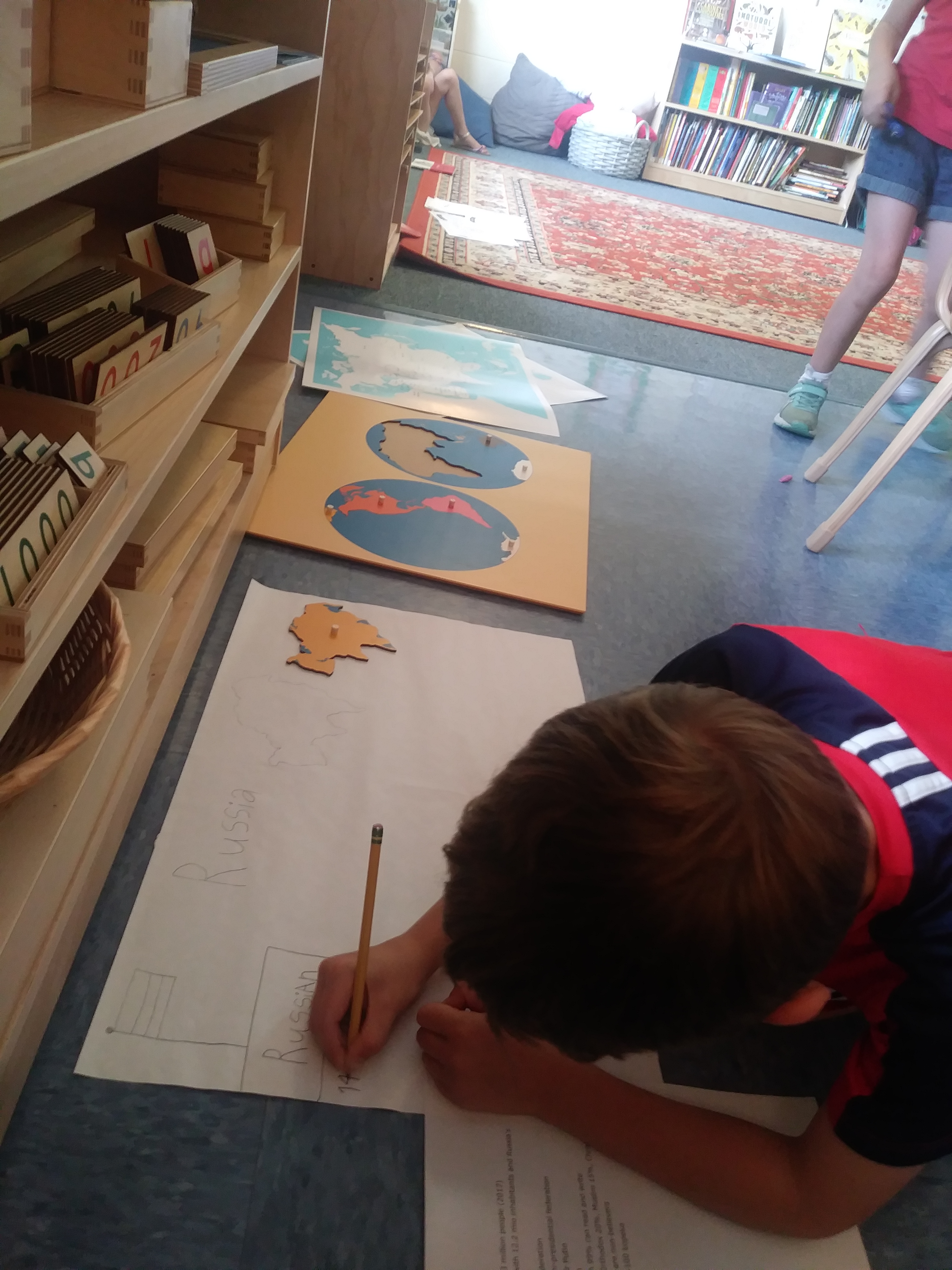
Our quest is the inspiration for this session’s character trait: Building Curiosity. We will be exploring geography, engineering, code-breaking, architecture, and baking in one-week bursts. The goal is to provide an introduction to a wide range of topics and hopefully, spark a new passion or area of intrigue. This week’s topic was geography where the Heroes took on the 50 State Challenge. In just 3 days, they memorized the location and names of as many states as they could, and in the process, practiced valuable memory retention techniques and dealt with frustration and set-backs. Next week, they will design marble roller coasters!

Each Quest has multiple levels so everyone in our multi-age studio can be fully immersed in the challenges!

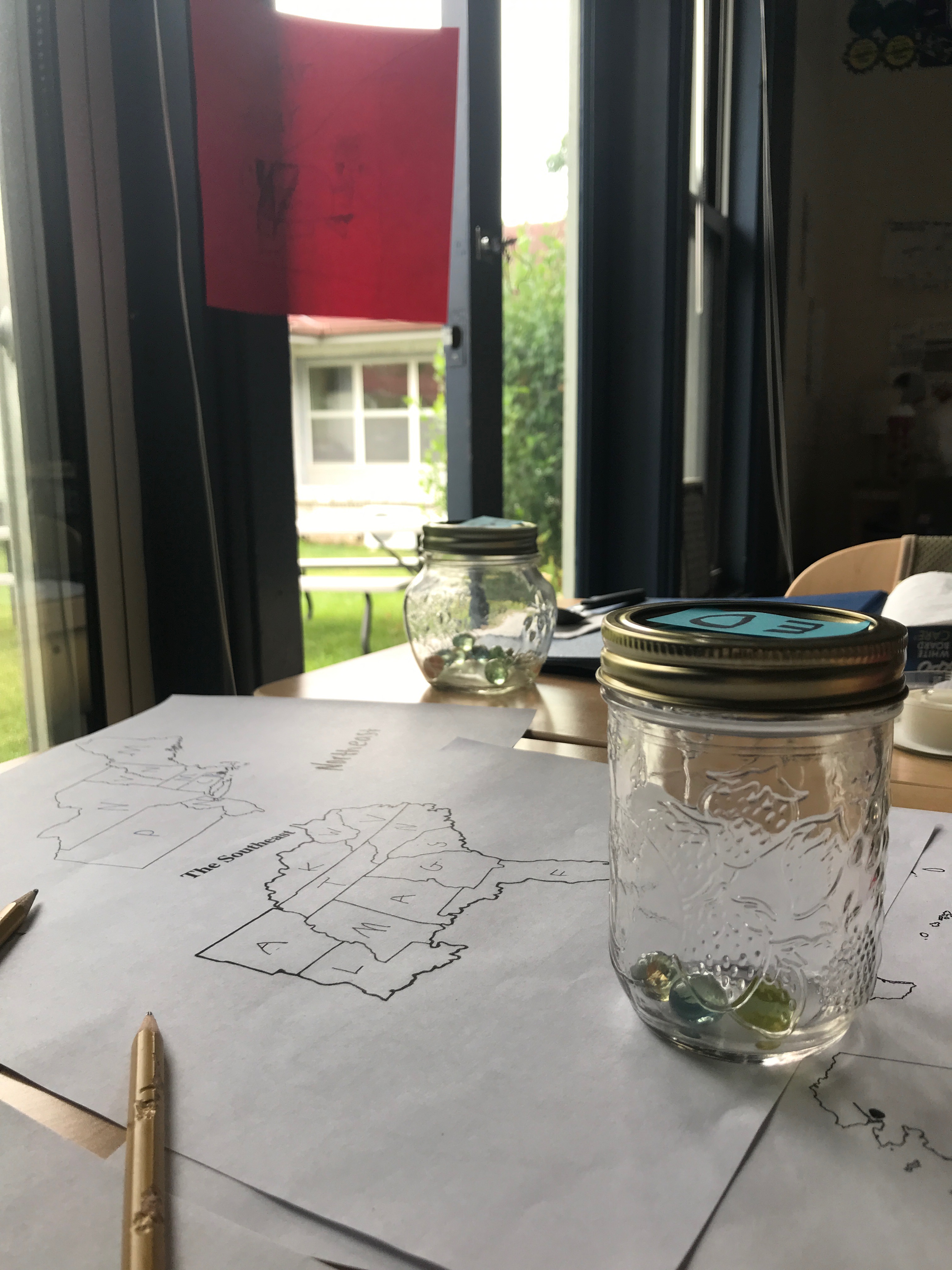
One new change for Session 7 is that a new system has been introduced to Elementary Studio. Before break, the Heroes noticed an increase of distractions during Core Skills time and created a list outlining what was distracting so that everyone was on the same page. Looking for a reasonable consequence, we introduced the marble jars. Each Hero will start with 5 marbles every week. If a Hero is being distracting, then another Hero may ask for a marble. This week, the community had a renewed vigor to keep the studio as a sacred learning place.

Thanks for tuning in!

Being Gardeners: Session 6 Week 6

My dad is an excellent gardener and always has been. I have fond memories of sitting on the porch eating sweet watermelons that he had grown in our own backyard. My mom had beautiful flower gardens that she would insist that I help her weed, and she would speak more candidly as we sat in the dirt tugging at unwanted roots. None of this led to me having much of a green thumb. Quite the contrary, actually, I have a history of dead house plants. I am an excellent listener, but leaves and blooms just don’t communicate needs like people do.

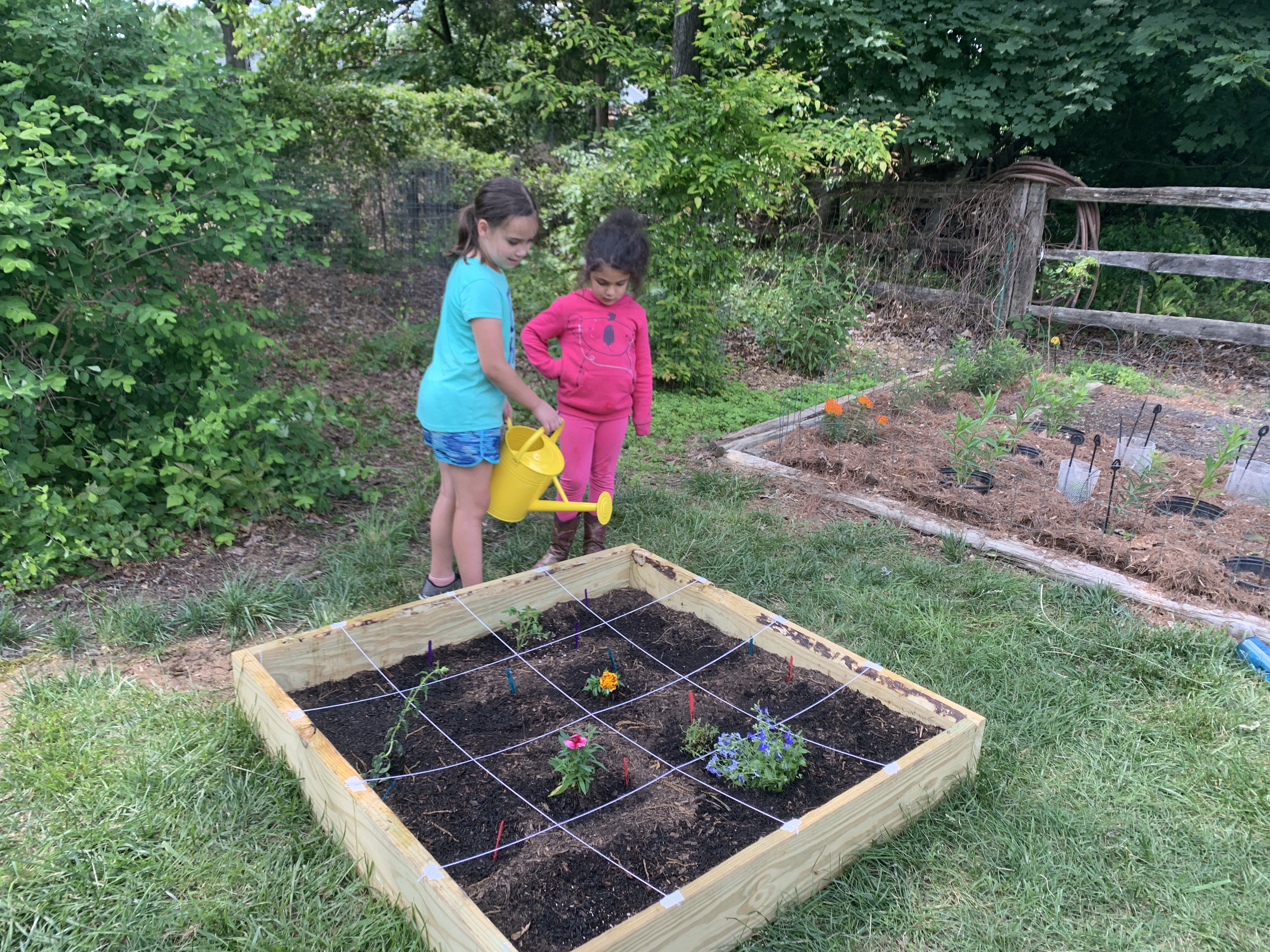
I had resigned to just not having what it takes to grow and cultivate much plant life. This was the case until I got to be the guide of a community of young heroes starting a garden. If this was new for them, you wouldn’t know it. Maybe they hadn’t tasted and planned crops based on height and sun location, before. I saw no hesitation though. They accepted the challenge head on and jumped into botany lessons and discussions about pesticides.We marveled together at the asparagus growing tall at Whitehall Farm. They built the beds, laid the soils, planned each square and sowed each seed with hope and joy. These heroes works fastidiously without a trace of self-doubt. They inspired me.

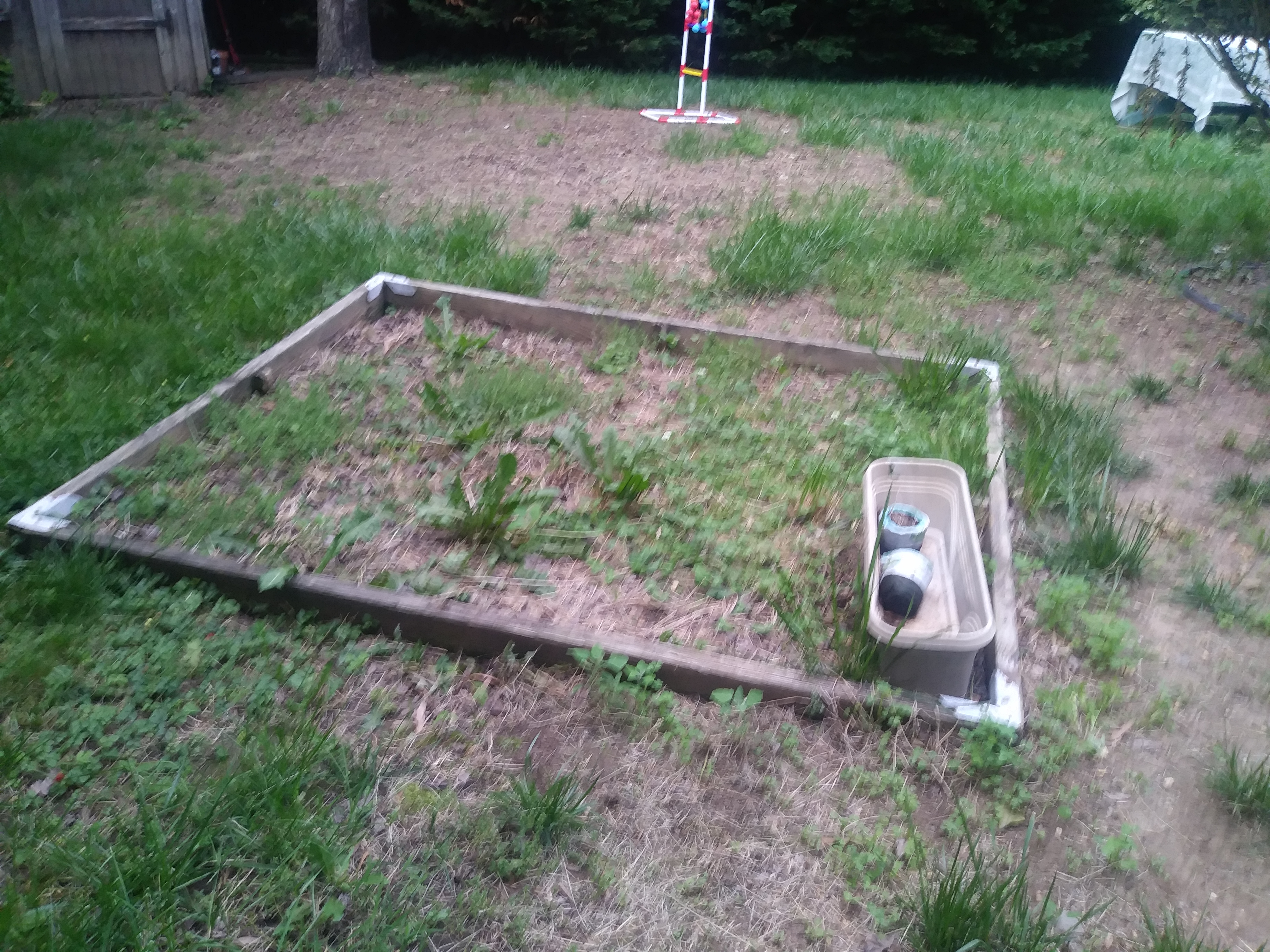
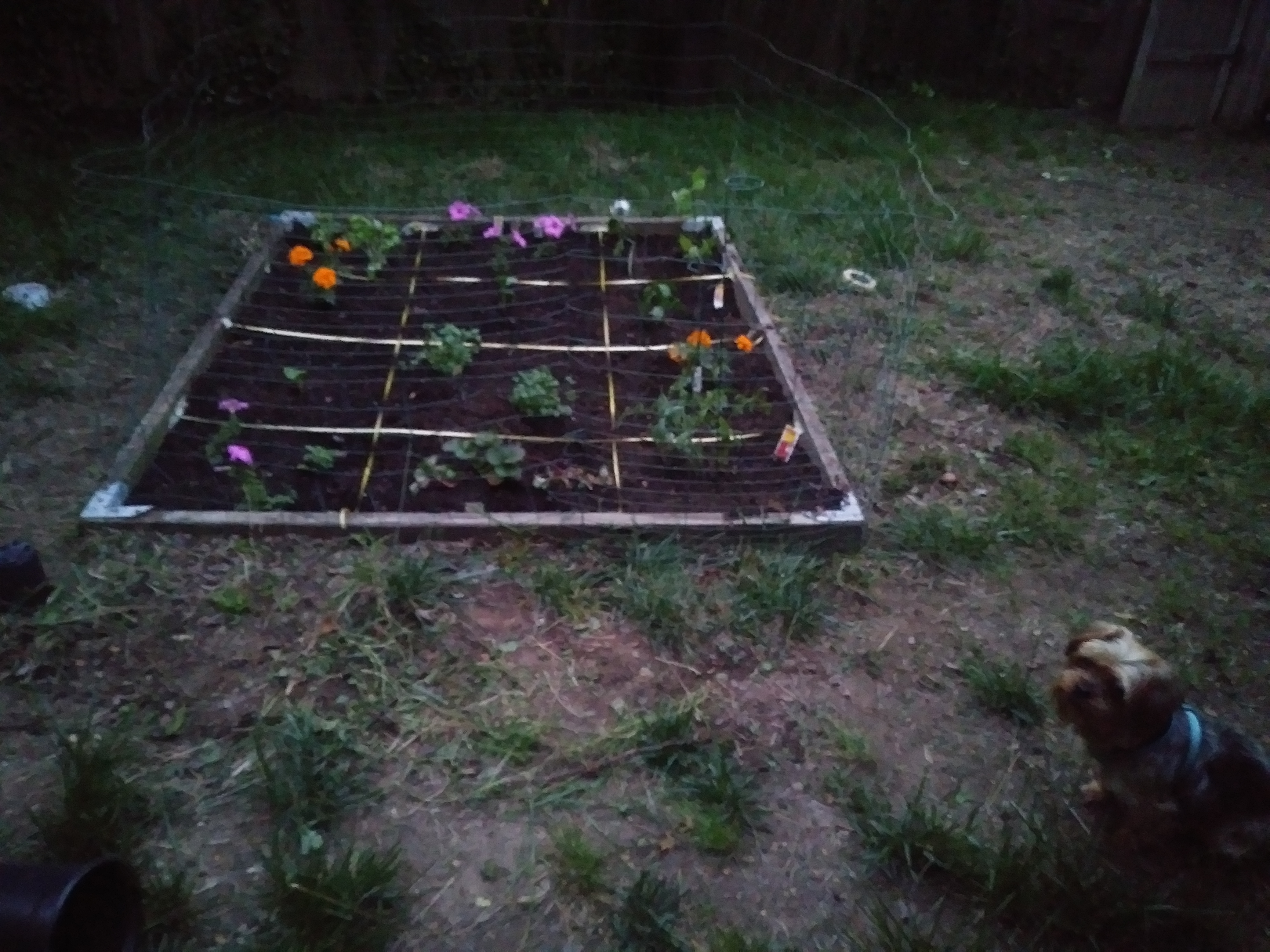
So I spent my birthday weekend in my own backyard, digging the weeds out of an old neglected wooden garden bed. I planned according to the sun and I researched soil. I chose complementary plants and veggies that I would be excited to harvest and put them in the earth. I felt immense pride at having tried something that I had written off as too hard. I used the growth mindset that we talk about every day in the studio to quiet my own hesitation. It is hard to try something new or that you have previously failed at at. The heroes do this every day. They face academic challenges and emotional ones and they are gracious with themselves and other as they learn and grow. I don’t know if my first attempt at gardening will yield anything edible but I enjoyed the process and I feel thankful to be surrounded by a community of courageous learners.

Fixing your Mistakes: Session 6 Week 6

This week, the Heroes dropped a plate during the cleanup of CSA lunch. At the time, I was in the studio. If I hadn’t wandered into the kitchen to check on the progress, I wouldn’t have known that the incident occurred. And that is kind of a remarkable thing.
One hero was already on the way to fetch a broom and dustpan. Another hero warned, “You shouldn’t walk around in those flip-flops; you could get hurt.” The broom arrived when a third hero observed, “I see shards all the way across the floor, so make sure to sweep all around.” They stated any advice that I would have offered. In 5 minutes, everything was picked up.
Practicing teamwork and collaboration

The Heroes didn’t come to get an adult because they didn’t need an adult. Something had broken. They knew how to solve the problem. And they fixed it. Simple.

Elementary and Spark partnership in the Community Garden Quest

I thought back to my elementary school, even later school years, and I can’t remember a single time I broke something in school. Not because I was a particularly careful child, I don’t think that I was ever given the chance.

Perhaps for the best, a school doesn’t want to have to budget for 500 new plates every year. But I wonder about the bigger picture too: how many times was I given the chance to fail cheaply? Where were the opportunities that I had real responsibility and messed it up, then could fix it?

Time for focus and fun!

This is a school where students are learning that it is okay to fail because they have the power to make things better. Will another plate get broken? Maybe, but I imagine that the Heroes will be more careful next time. More importantly, they demonstrated that they know it is okay to fail and they are capable of fixing it. I think that is worth every penny for a new plate.