A Library Tale

ES Session 4: Week 5

This is a story of a library book.

January 1st. I grabbed some books from the library and happened to pick up a Young Adult novel based in poetry. Level 6 Heroes explore literary genres (one of which is poetry), so I offered the book to one of the Level 6 Heroes.

This book was checked out on my library card. (And I hate accumulating fines- who doesn’t? For me, it is mostly because of the shame-inducing ping! at checkout that comes when you have fines on your card.) But I trusted this hero. I told her when the book was due (February 1st) and had no qualms about a late or lost book.

Two weeks later, there was an interesting development: the hero enjoyed the book and passed it along to another hero. The plot thicked- would the library book get returned on time?

Again, I gave it no thought until the second hero asked me an interesting question, “Do I actually have to finish a book to count it toward my badge? I’ve passed the 150 page minimum.” I was surprised. This hero loved reading and was meticulous in completing her work with excellence. 

I could have asked questions about excellence standards and persevering to the end. But I’m glad I didn’t.

“Why don’t you want to finish the book?” I asked.

She replied matter of factly, “This is your library book. It’s due February 1st. I want to finish it but I don’t want it to be late so I’m bringing it back.”

That is how great freedom and great responsibility go hand in hand.

(And yes, I renewed the book and that hero happily finished the novel.)

ES Quest: Session 4 Week 4

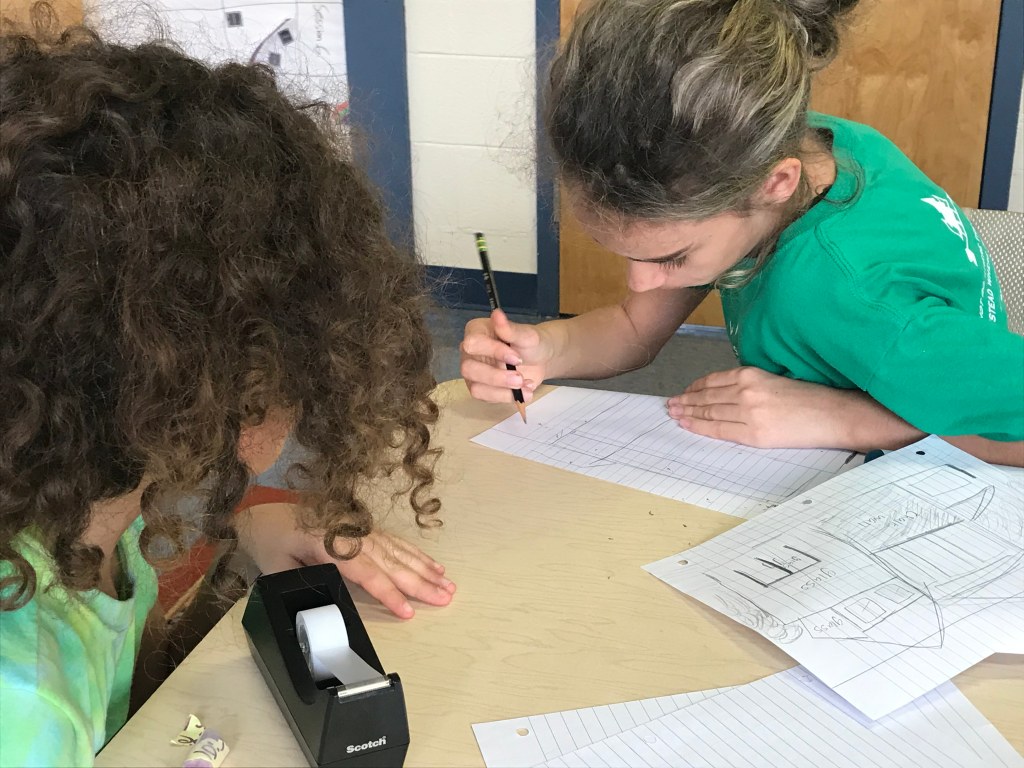
Last week in Quest, learners started building 3D models of their Acton Academy designs. They began by drawing out their floor plans on foam board, then crafted walls using chipboard and scissors. It was tricky to keep the walls standing while the glue dried! They also explored the concept of landscape design. It was fun dreaming up the outdoor green spaces that would surround their schools. Through it all, the heroes talked about the importance of staying flexible and confident, especially when we are forced to change our plans.

Compliments

Session 4: Week 4

What makes a compliment special?

Is it when you say it- depending on the mood they are in?

How you say it and the tone of your voice?

Or what it makes the person feel ?

This topic prompted great discussion in our studio. Spark heroes love to vote and tell their thoughts and experiences. They are developing the skills they will hone in the Socratic discussions held in our elementary studios and they are finding their own voice as they form opinions. This particular morning launch, the vote was unanimous. Compliments are important because of how they make someone feel. Heroes are tuned into the feelings of others and they continue to value the character traits that we call out each week.

Heather O’ Kara said “Speak to all people as though they are the wisest, gentlest, most beautiful beings on Earth; for what they believe, they become.” The compliments that are given to heroes begin to shape what they believe about themselves. Guides model complimenting by giving growth mindset praise and offering genuine congratulations for hard work. We refer to our learners as heroes and experts. We celebrate triumphs and congratulate perseverance.

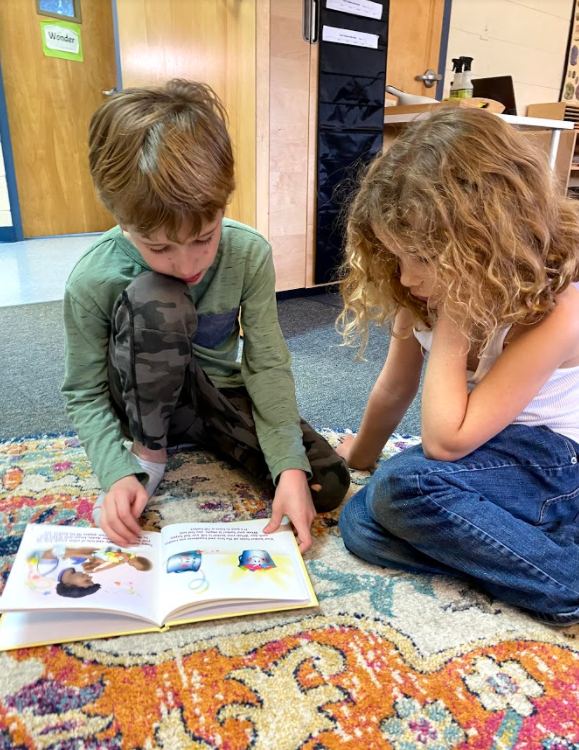
The compliments also seem to resonate deeply when they come from a fellow hero. “You are a great reader!” A five year old beams, proudly having read a book aloud to his peers. After a big jump off a tall ledge on the playground another hero shouts, “I knew you could do it you, you are strong and brave!” By assuring these young learners that they will change the world, we empower them to do just that.

Heart & Joy

Session 4: Week 4

This week was a perfect representation of The Village School: heart & joy.

These journal entries are part of the Character Traits Badge. Heroes give 10 character call-outs for different traits to fellow travelers and then write 10 reflections on the character traits. In true Socratic fashion, they posed questions and answers.

“Courage is when you either face your fear or stand up to people. Courage comes from you, you just have to believe that you have it and use it. Keep moving on even when you don’t believe you have courage because you do. Courage inspires you to do things. Courage would not exist if we didn’t face our fears. without courage innovation would not exist.”

Triumphant at the end of Spirit Week

“What is supportiveness? To me, supportiveness is encouraging others and helping others. My ideal supportive community is when everyone is helping each other. I think I am pretty supportive by helping others and encouraging others. I could be more supportive by helping others and encouraging them more. I think that supportiveness is important because without it no would want to work, no one would be kind and no work would get done.”

Favorite Color Day

“What is leadership? Showing compassion for what you do and care for others. What does an ideal community with leaders look like? There are both followers and leaders.  If there were only leaders there would be no one to lead. How can I be more of a leader? I could have more care for others.”

Servant leaders tutor fellow travelers in their free time

“What is motivation? To me, motivation is keeping going when things are tough. What do you think of motivation? I think that it is important to have so you don’t give up on the first try. How can motivation affect a community? I think that it makes communities get more work done so, therefore, makes them better. How can you have motivation? If you fail you try again and keep going if things get hard.”

Many schools focus on character growth. At The Village School, it is not just a focus; it is a way of life. Heroes live character in every interaction.

Am I Doing This Right?

There’s no standard handbook for parenting. Out in the universe of parenting self-help books, there exists a million different opinions, methodologies, and philosophies of how we should be doing this parenting thing. The pressure is real because the stakes are so high. Is there anything we care about more than the healthy growth and development of our children?

The majority of us tend to parent the way we were raised- the way our parents parented us. Right or wrong, for better or for worse, this is what we know and what we know is always easier. It’s the path of least resistance.

This fact alone is what makes a Village School parent a hero. We are choosing to quiet these handed-down, reflexive parenting methodologies, in order to nurture and grow a confident, resilient, responsible, kind, and empowered child- one who’s ready to use his or her unique skill set and passions to thrive in the new world we now live in.

Counter-intuitive and frequently uncomfortable, this is really hard work. This new territory of parenting self-directed learners can often leave us wondering, “Am I doing this thing right?”

The truth is- there’s no right or wrong way. The beauty of being a TVS parent is you get to choose what feels right to you, based on your values and your relationship with your child. Your role in your child’s school experience depends on what’s important to you.

With that said, some of our founding families who are thriving in our community do have some advice. They say, regardless of whether you are checking in with your child daily, weekly, or once per session at the exhibitions of learning- the most important thing is engaging in the process of letting go, of shifting your mindset and prioritizing your relationship with your child, paying close attention to who they’re becoming- over what they’re producing. Remember: Our goal is to nurture life-long learners with strong character, not carry them through mindless “grade-level curriculum” so they can do well on a test. We mean it when we say learning to learn, learning to do and learning to be are far more important than learning to know. This whole-child approach is what we’re all about.

Parents who are thriving in our community are committed to a regular practice of:

1) letting go: trusting their child and trusting the process, being willing to be surprised, respecting their child’s path and understanding that it may be different from their own, being patient, letting go of immediate gratification, letting go of solving their child’s problems or removing obstacles 

2) meaningfully engaging with my child: being present, listening and having conversations with their child, seeking to understand by asking questions, being curious, accepting and affirming ther child’s thoughts and feelings without judgement, giving growth mindset praise

3) meaningfully engaging with the community: attending parent coffees and exhibitions, getting to know others, giving and receiving honest, thoughtful feedback, assuming the best of others, sharing vs. comparing, modeling respect, honesty and kindness, being open-minded and supportive

4) being self-directed learners/problem-solvers: finding own solutions rather than expecting the school to provide them, actively seeking out answers to questions, taking responsibility for learning, looking for creative solutions to potential “trade-offs” of a micro-school environment

5) embracing failure and experience as the best teachers: embracing the messiness of experiential learning, expecting failure and stumbles, being willing to reflect on experiences regularly as opportunities for growth

6) embracing accountability: having clear and consistent boundaries at home, holding their child accountable using natural and logical consequences, supporting systems of accountability at school or encouraging their child to use their voice if a system or rule seems unfair.

So, when you find yourself wondering, “Am I doing this thing right?”, try a quick self-assessment using two follow-up questions: 1) Am I practicing the things above? and 2) Am I willing to try again when I fail?

If you’re answer is yes, then please self-affirm your heroic efforts: Yes- 100%, you are doing this thing right. Then, by all means, look up- there’s a whole group of us cheering you on.

The road to mastery is long but the rewards are worth the effort.

Spark Studio Spotlight: Art

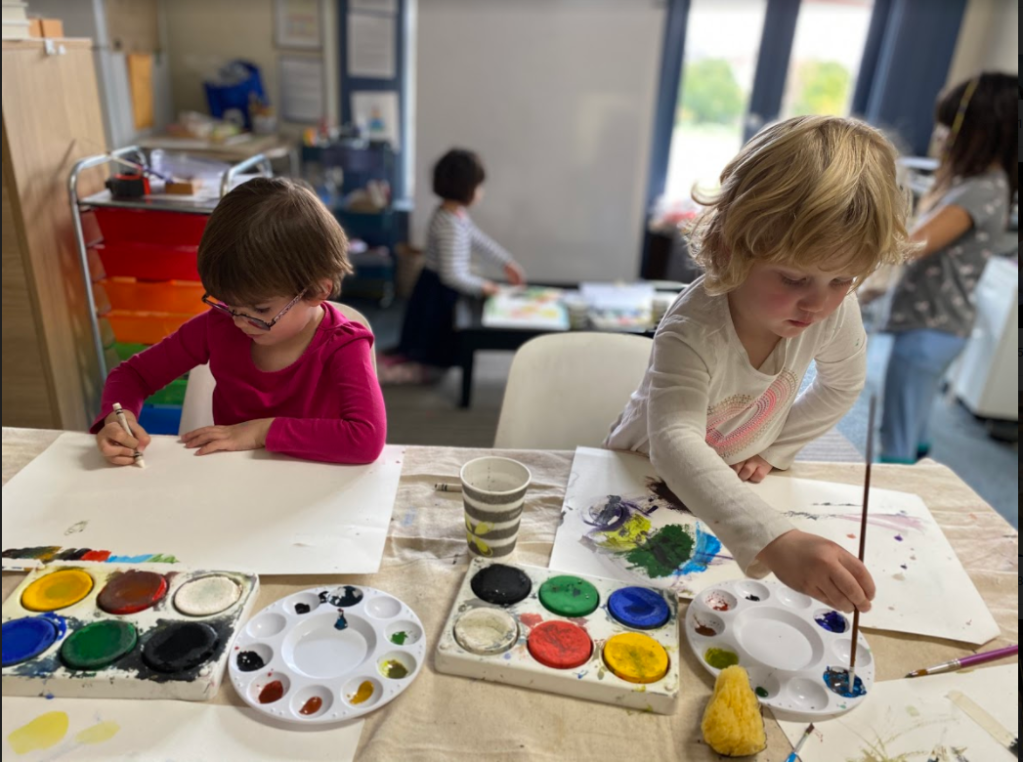
“It’s ok , mistakes are good. There is no wrong way to do art”. Hearing growth mindset praise isn’t unusual at the Village School. It is especially effective when it comes from a peer, a fellow five year old using a booming confident voice as he leans across the large charcoal dust strewn table. As heroes explore the question of how they can use their voice, guides offer up different mediums, hero stories of artists and opportunities for creativity.

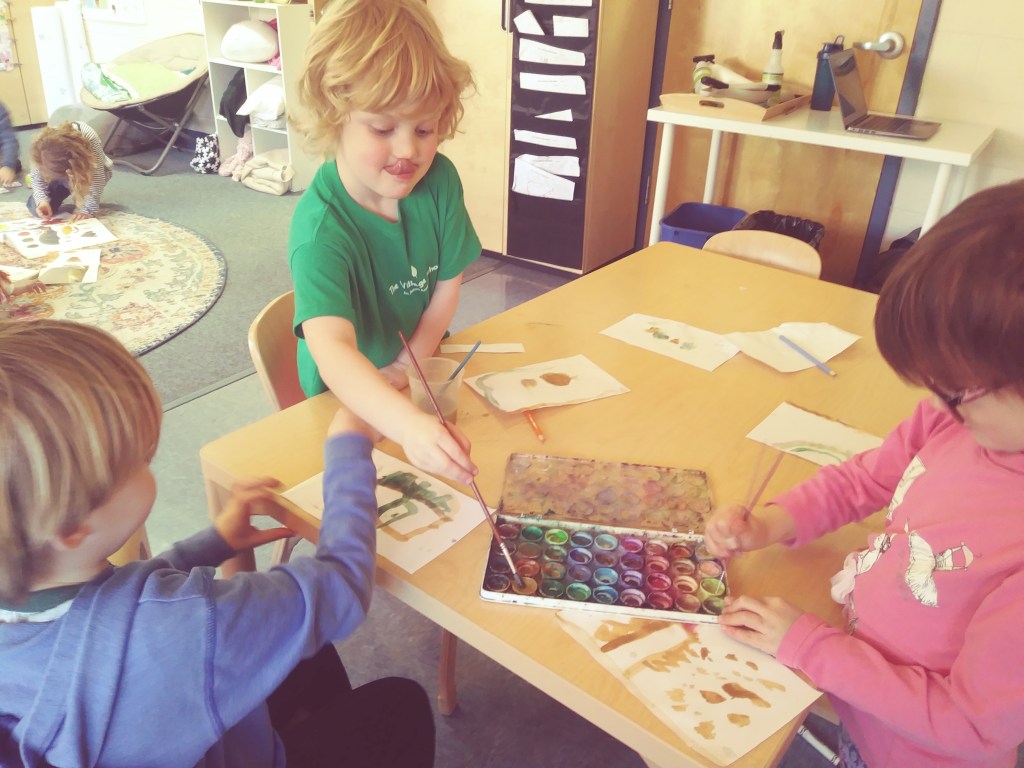
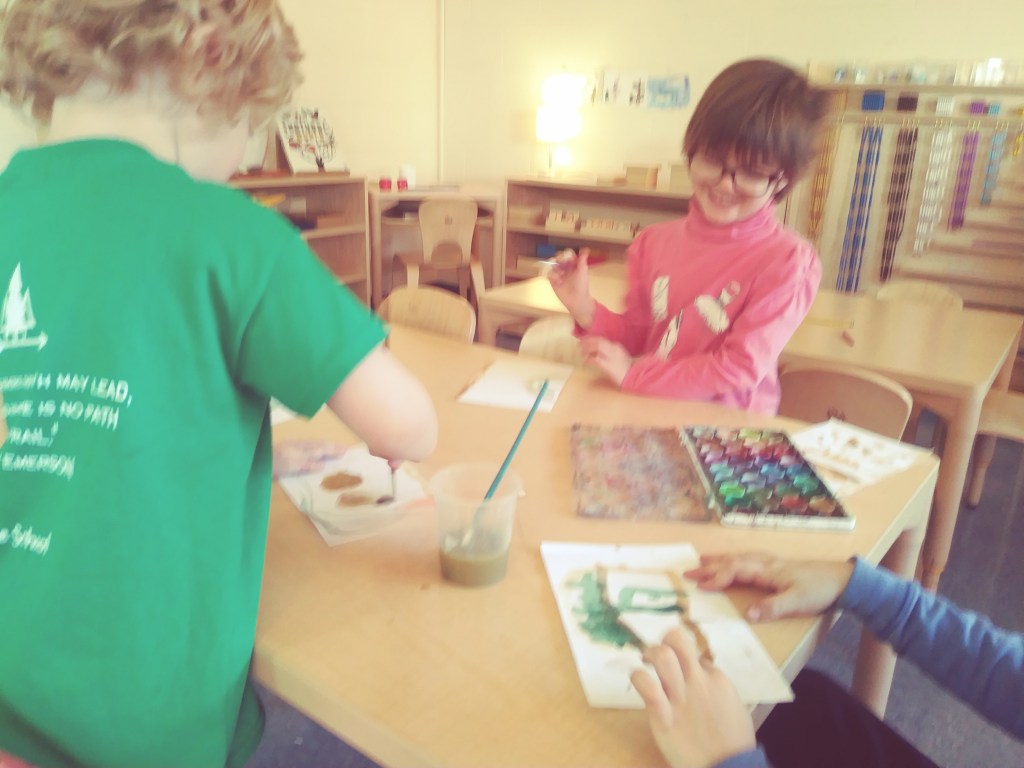
Art takes place formally once a week. A launch is given on a materials and heroes are able to explore. Sessions have featured drawing with charcoal, diving into color with pastels and this session heroes have filled paper with bold strokes of watercolor. These topics are also broken down further by discussing things like mark making techniques and the way you can use erasers as a tool. The artwork here is more about the process than the resulting piece of art. Heroes are encouraged to experiment and then reflect on what materials worked in unexpected ways.
In addition to these once a week dedicated sessions for art, heroes have access to creative materials during all work times in our studio.One child may choose to paint first thing in the morning as a way to ease into the day, while another may use the opportunity for self-expression to harness their creative energy for the day. Heroes learn about art and the art world by assuming the role of artist. They practice coming up with art problems to solve, asking questions and seeing possibilities in the world around them. Heroes learn to persevere through difficulties as well as to trust themselves and their own judgment while simultaneously becoming self-directed, and organized.

Marie Kondo for Kids?

Session 4: Week 3

Organization is hard for adults. Is it crazy to ask of children? Maybe not.

For 4 months, this hero had struggled with organization. She misplaced writing notebooks and her grammar book. She lost important papers and was frustrated when she had to redo her work. She started the day with a clean desk and by the 3 pm, her stuff was overflowing and spilling onto the floor. She left trash on the floor and consistently forgot to clean up her lunch placemat to the consternation of her fellow travelers.

Cue Session 4. This hero walked into school with a color-coded binder. There were neat, color-coded labels for “Quest”, “Writer’s Workshop”, and “Core Skills”. It almost brought tears to my eyes. 

The change did not happen overnight- it took many, many baby steps (as well as a few steps back). I saw her not try and fail, try and fail, try and find a tiny bit of success but then trip over another obstacle. It took heruclean patience to watch the process play out and almost always I wanted to jump in to help. The moral of the story: personal experience makes change possible.

Thank you parents for being on this great adventure with us, allowing your heroes to fail and try again!

Session 4 Week 2

“Let us give the children a vision of the universe.” Maria Montessori observed firsthand children’s eagerness to understand themselves, their world, and their place in it.  This week Spark heroes heard about Albert Einstein and talked about the particles, and laws that make up our universe. They recognized how curious famous scientists were and that they share a similar excitement for the world.

With context, our heroes form theories and have room for their imaginations to flourish. Heroes come up with experiments on their own and continue to share their interests with each other. While one hero tells us all they know about the Apollo mission another tells facts about the earth and when dinosaurs roamed it. Heroes connect these stories and begin to form a personal narrative as well as one as part of our community.

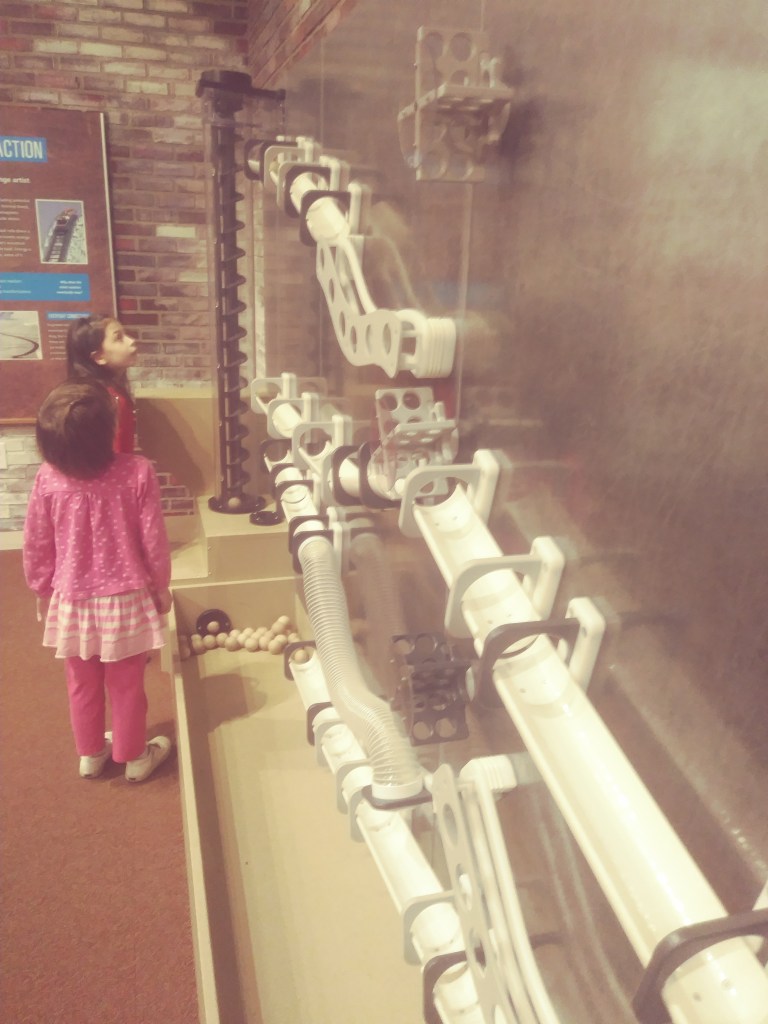
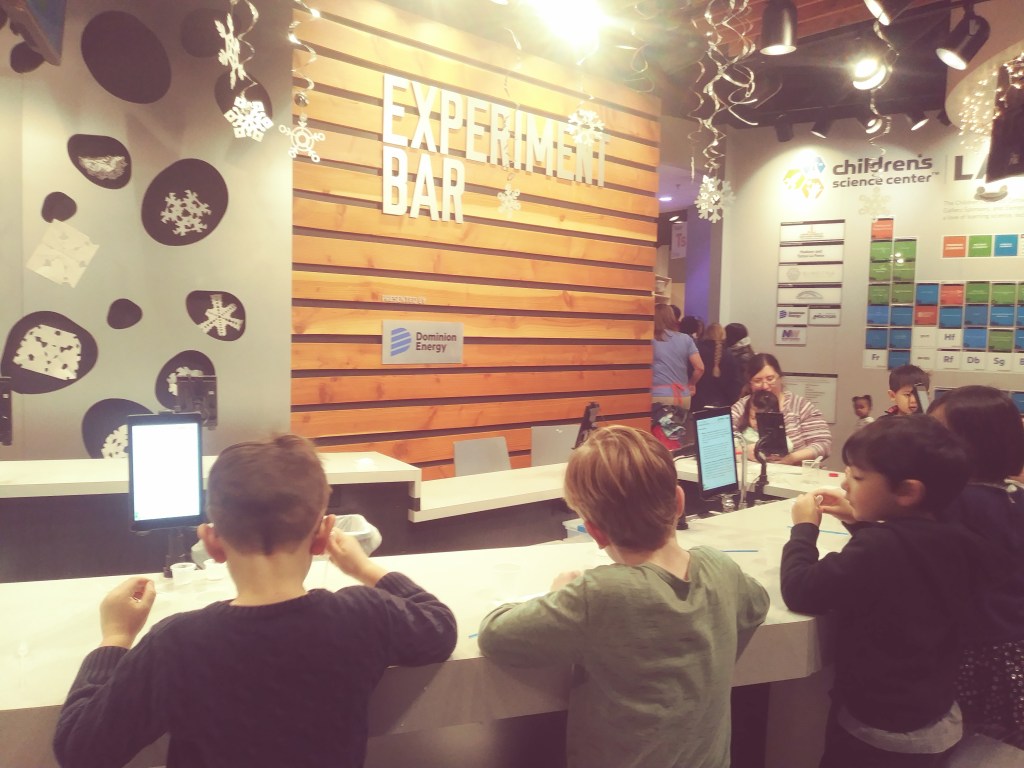
At the Science Center heroes built hover-crafts to fly in a wind tunnel. They created slime and compared what different additives do to its consistency. A crank was turned to build up pressure and shoot a plastic bottle up towards the ceiling. Afterwards,they spent the car ride talking about their favorite parts of the day and filling the backseat with laughter.

Building Our House

ES Quest: Session 4 Week 2

This week in our Architecture Quest, the heroes continued to make design plans for their very own Acton Academies. Mr. Christian came in to introduce them to the concept of scale—shrinking real world measurements down to fit on a drawing.

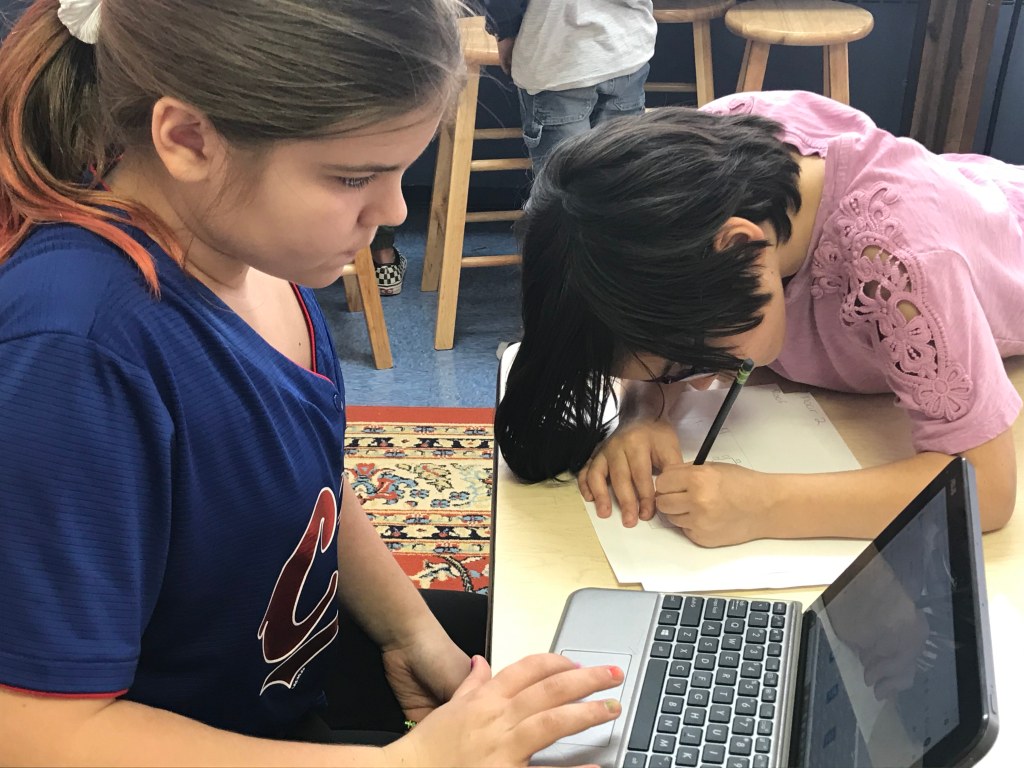
With scale rulers in hand, the heroes started sketches of their very own Acton Academies. They had fun dreaming up the spiral staircases, rooftop gardens, and mini-golf courses that would make up their ideal learning environments.

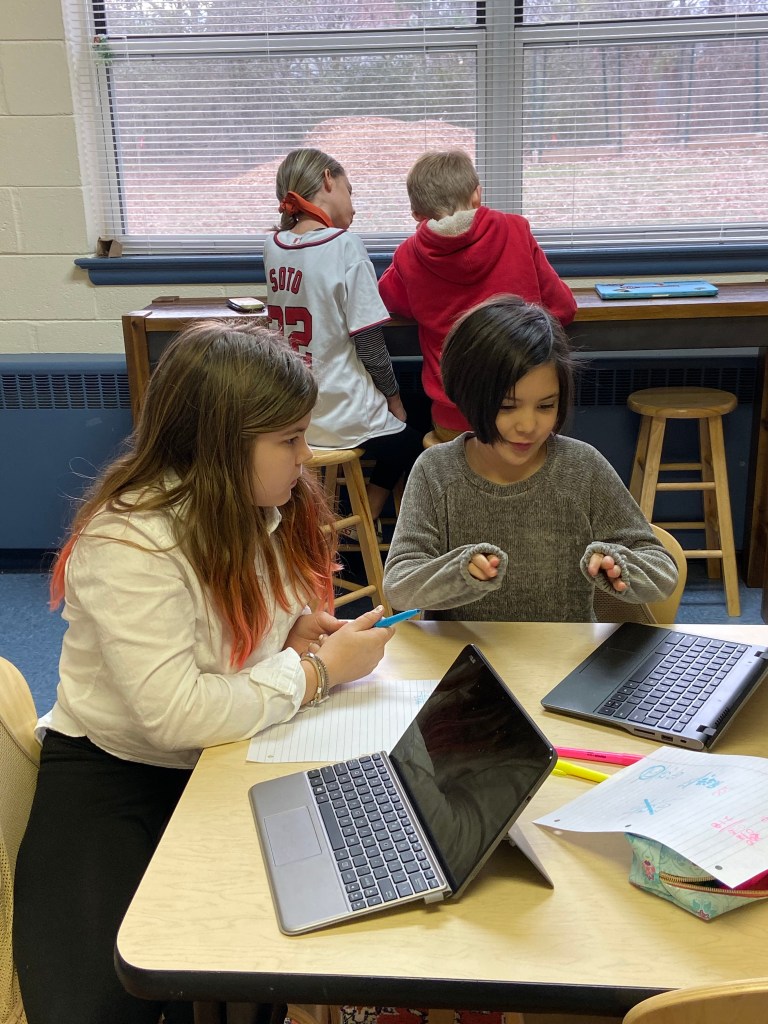
Working in pairs wasn’t always easy, but the heroes brainstormed about all the good that comes from teamwork, and talked about how they could address the challenges that come with collaboration.

Are you a Top Banana?

ES Session 4: Week 2

The Studio was a mess (again). Papers fluttering on the floor, trails of crumbs from snack, chairs lost from their desks. It was time to take action.

I had heard rumors of Acton Austin’s legendary Studio Maintenance Competition. TVS had tried a modified version in Session 3 with some success but I needed to raise the stakes. 

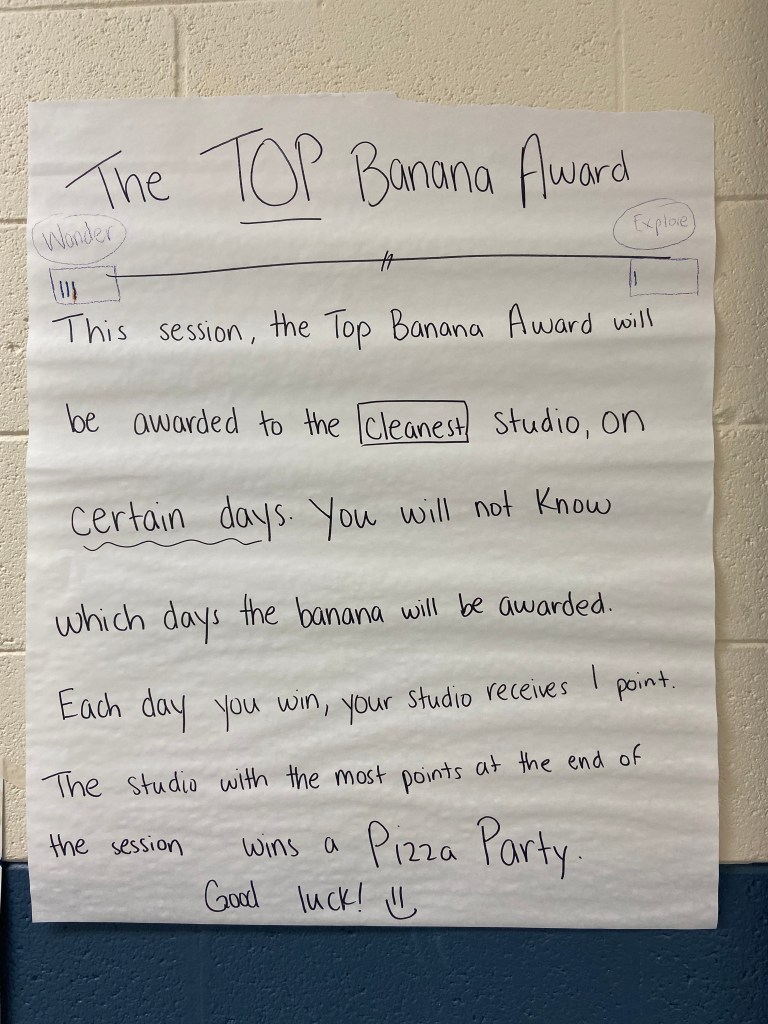
Beginning Session 4, the game has changed: the competition happens on random, unannounced days and the studio that accumulates the most points will win a pizza party. But I needed a physical reminder of each daily win. A little searching on the Amazon trophy section and enter- the Top Banana Award!

Day 1, the motivation was a little higher. Day 2, a Spark judge gave out the first Top Banana Award and motivation sparked. Today, one week later, the Wonder Studio is pulling ahead 3 to 1 on the Explore Studio and motivation is soaring.

Moral of the story- we all wish our children loved to clean. That they appreciated their beautiful places and intrinsically wanted to keep them that way every day. But let’s face it- cleaning up is not the most fun part of learning (or most things). Sometimes a little extrinsic motivation is, well, motivating!